Reviving Vintage Machines: The Passionate Backyard Mechanic’s Sanctuary
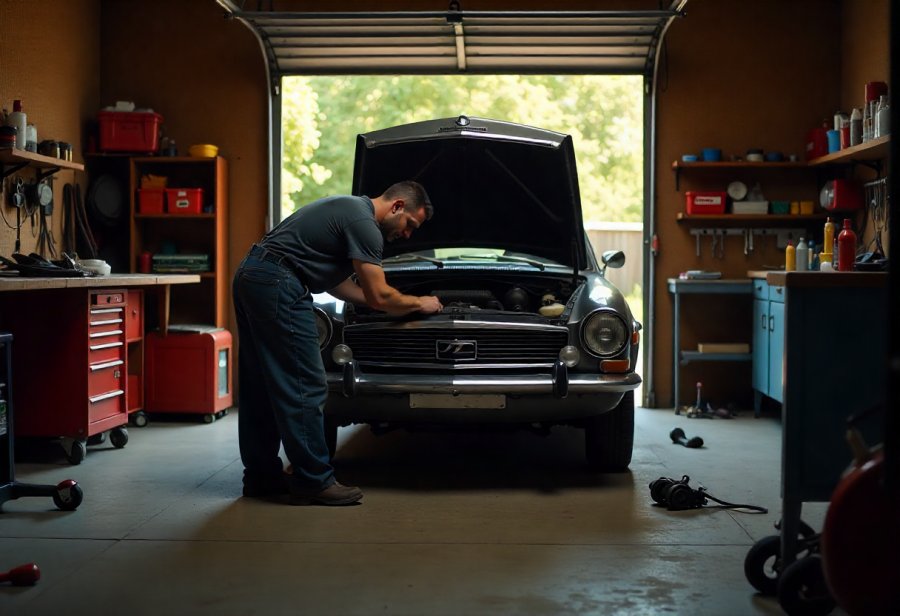
The backyard mechanic’s garage is more than just a workshop; it’s a sanctuary where passion, craftsmanship, and memories converge. This space embodies a deep love for restoring vintage machines, transforming neglected relics into symbols of pride and history. As technology advances—introducing digital diagnostics, 3D printing, and innovative tools—the scene is evolving while remaining rooted in tradition. But what secrets lie behind these personal rituals of revival? How do hobbyists balance old-school techniques with modern innovations to keep the craft alive? From overcoming rust and sourcing rare parts to sharing knowledge across vibrant online communities, the scene is rich with stories of perseverance and ingenuity. Looking ahead, the future promises even greater integration of technology and sustainability, fueling a passion that bridges generations. This is more than restoration; it’s a timeless dance between tradition and innovation, inspiring a new wave of backyard artisans eager to preserve and reinvent mechanical history.
Discover the Garage as Your Personal Sanctuary of Passion and Craftsmanship
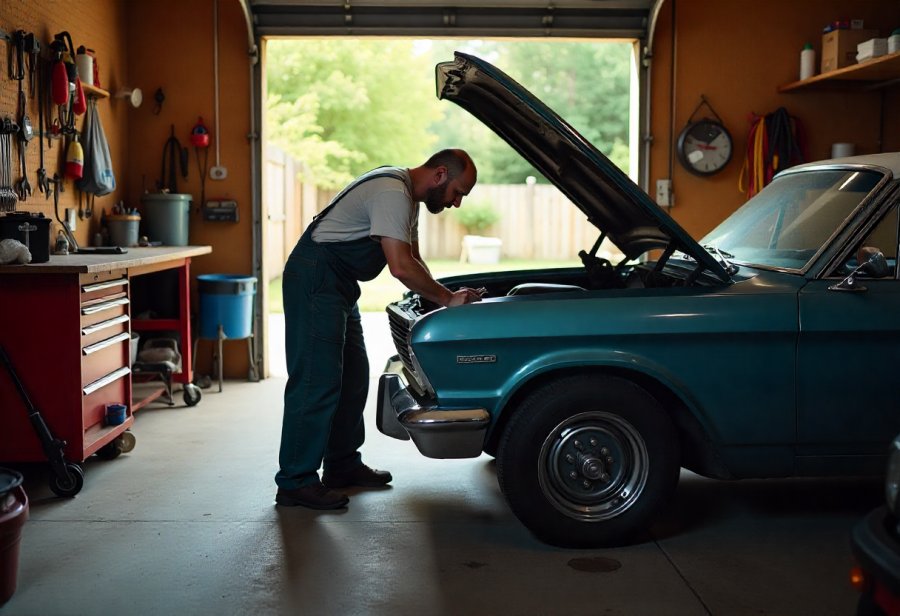
The garage isn’t just a place to park your car; it’s a personal sanctuary where passion and craftsmanship come alive. For many backyard mechanics, it’s a space filled with tools, memories, and a love for breathing new life into vintage machines. It’s where patience is essential, and every bolt turned feels like a small act of artistry. In this quiet corner of their homes, enthusiasts find a retreat from daily stresses—a place where focus sharpens and time slows down as they work meticulously on restoring old cars, engines, or equipment.
This space becomes more than just a workshop. It reflects the mechanic’s spirit—dedicated, inventive, and deeply passionate. Here, each project carries emotional weight, whether it’s a car once owned by a parent, a childhood dream, or a piece of history that sparks nostalgia. Restoring these machines is about more than fixing; it’s about connecting with memories, preserving stories, and turning neglect into pride. The garage transforms into a personal museum of craftsmanship, where every detail matters.
Beyond the physical tools, the garage is a learning ground. It’s where skills are honed, step by step, as hobbyists experiment and refine techniques like welding, engine tuning, or electrical troubleshooting. Sharing tips and tricks with fellow enthusiasts fosters a sense of community rooted in craftsmanship. Every project, big or small, becomes an opportunity for growth and discovery. Mistakes are part of the process, teaching patience and problem-solving, and ultimately, making the journey rewarding.
In this space, focus and presence matter most. Watching a neglected machine come back to life offers a unique satisfaction that’s hard to find elsewhere. Hearing a vintage engine roar again or seeing a worn-out surface shine with fresh paint brings a sense of accomplishment that energizes the soul. The garage is a refuge where time slows, and craftsmanship becomes a form of meditation—an escape from routine that feeds the heart as much as the hands.
This sanctuary of passion embodies the backyard mechanic’s spirit—diligent, resourceful, and deeply committed. It’s a space where patience turns into mastery, and each project becomes a story of revival. Whether restoring a classic car or tinkering with a piece of vintage equipment, it’s a reminder that craftsmanship isn’t just about fixing machines—it’s about preserving a part of ourselves. In every bolt and brushstroke, the garage keeps the flame of vintage restoration alive.
Tracing the Roots and Cultural Significance of the Backyard Mechanic
The backyard mechanic culture has deep roots stretching back to the early days of automobiles. In those formative years, owning and maintaining a vehicle was more than just a matter of transportation; it was a symbol of independence and self-sufficiency. Many early car owners learned to fix, modify, and tune their machines right in their driveways or garages, often out of necessity rather than hobby. This hands-on approach fostered a sense of pride and personal expression, turning simple repairs into acts of craftsmanship.
As automotive technology advanced, the DIY spirit didn’t fade—it evolved. Throughout the decades, this culture grew into a vibrant community built on shared skills, ingenuity, and a love for tinkering. Families passed down techniques, neighbors exchanged tips, and local clubs emerged around common interests. Restoration and customization became more than just fixing cars; they became ways to preserve history, showcase creativity, and celebrate mechanical mastery. This tradition of craftsmanship became an essential part of the broader cultural landscape.
The rise of automotive magazines, radio programs, and later online forums helped amplify this passion. Enthusiasts could now connect across distances, share their projects, and learn from each other’s experiences. This shift from solitary tinkering to a connected community made the hobby more accessible and inviting for newcomers. It transformed the backyard workshop into a hub of innovation, storytelling, and camaraderie, where knowledge and inspiration flowed freely.
Technological innovations played a significant role in shaping this culture. Early restorers relied on basic hand tools, trial-and-error, and resourcefulness. As power tools, diagnostics, and specialized equipment became affordable, hobbyists gained new capabilities. Today, digital tools like electronic diagnostics and 3D printing expand what’s possible, allowing for more precise, ambitious projects. This blend of traditional craftsmanship and modern technology keeps the scene dynamic and ever-evolving.
Icons like Carroll Shelby and historic milestones such as the muscle car era helped cement this culture’s importance. They inspired generations to see restoration as more than maintenance—it’s about creating art, safeguarding heritage, and expressing identity. The backyard mechanic scene continues to thrive because it embodies resilience, creativity, and a passion for preservation. It’s a living tradition that honors the past while embracing the tools and ideas of the future.
Exploring Today’s Diverse and Innovative Restoration Scene
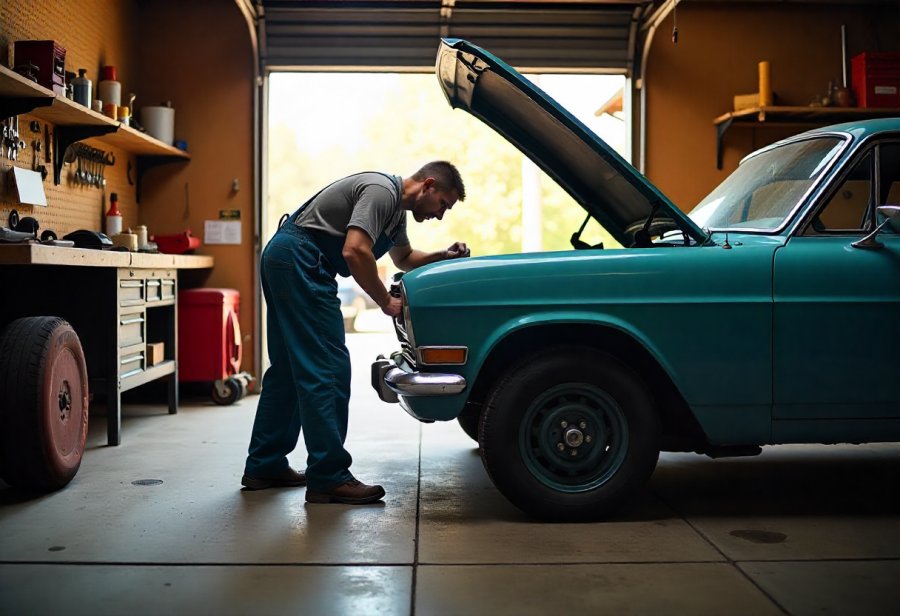
Today’s backyard restoration scene is more vibrant and diverse than ever before. Enthusiasts are tackling projects across a wide spectrum—from vintage cars and classic motorcycles to old tractors and industrial equipment. Thanks to technological advancements, what once required professional help is now often achievable in a home workshop. Digital diagnostics tools help hobbyists quickly identify electrical issues, saving time and minimizing guesswork. Meanwhile, 3D printing has opened new possibilities, allowing for the creation of custom parts that were previously difficult or costly to source. These innovations make restorations more precise and accessible, inviting a broader community of gearheads to get involved.
Many hobbyists focus on iconic models like early Ford Mustangs, Chevrolet classics, or Volkswagen Beetles. These vehicles hold cultural significance and often have a wealth of available parts, making projects more manageable. Typical techniques include disassembly for thorough cleaning, rust removal with chemical converters, and repainting with high-quality automotive paints to restore an authentic look. Engine rebuilding remains a core skill—cleaning, honing, and replacing worn components—often enhanced by digital tools like electronic diagnostics for better accuracy. This combination of old-school craftsmanship and new technology reflects how the scene continues to evolve without losing its roots.
The passion for restoration is deeply connected to history. Sharing progress on social media, participating in local meetups, or joining online forums has become a vital part of the scene. These communities foster camaraderie and are full of advice, tips, and rare parts exchanges. The garage becomes a social hub where motivation is fueled by collective enthusiasm, inspiring hobbyists to try new techniques and take on more ambitious projects. Despite the excitement, sourcing authentic parts for vintage models can be a challenge, often requiring patience, creativity, and persistence.
Rust and corrosion remain stubborn adversaries, prompting innovative solutions like homemade rust converters or repurposed tools. Limited space or access can also make large projects tricky, but working in stages or using compact tools helps keep progress steady. Some purists prefer sticking to traditional hand tools and techniques, worried that digital diagnostics might dilute authenticity. Others see these tools as valuable additions that expand what’s possible in a home workshop. Eco-friendly practices—such as using sustainable rust removers and paints—are gaining popularity, aligning craftsmanship with environmental responsibility.
The integration of advanced manufacturing tools like CNC machines and laser cutters is democratizing production. Hobbyists can now fabricate precise, custom parts at home, pushing the boundaries of what’s achievable. Online resources—tutorials, virtual workshops, and community forums—democratize knowledge and skills, making complex techniques more accessible to newcomers. This continuous flow of information and innovation keeps the scene fresh, inclusive, and full of possibilities.
Looking ahead, the future of backyard restoration is promising. Emerging tools like augmented reality could guide restorers through complex procedures step by step, reducing errors and boosting confidence. Sustainable materials and eco-friendly techniques are becoming standard, ensuring the hobby aligns with modern values. As online communities grow stronger, the exchange of ideas and support will only deepen, fostering a sense of belonging and shared purpose. With technology making projects more manageable and communities more connected, the backyard mechanic scene is set to thrive for generations to come.
Turning Passion into Practice: A Practical Guide to Restoration Projects
Applying restoration knowledge in your projects starts with breaking each task into manageable steps. Before diving in, take time to research your vehicle or machine thoroughly. Understanding its original specifications and common issues helps you plan effectively and avoid unnecessary setbacks. Gather your tools and parts ahead of time; this preparation keeps surprises to a minimum and keeps your workflow smooth. Starting with simple repairs, like replacing spark plugs or cleaning carburetors, builds confidence and sets a solid foundation for tackling more complex work later.
Document every step as you go, whether through photos or detailed notes. This record-keeping becomes invaluable when reassembling parts or troubleshooting later. For instance, a photo of engine disassembly can guide reinstallation, preventing mistakes. When you hit a snag, don’t hesitate to seek advice from online forums or experienced hobbyists. Most communities are eager to help troubleshoot tricky issues, saving you time and frustration. Patience is key—restoration isn’t a race, and rushing often leads to overlooked details or errors that can compromise your work.
Divide larger tasks into smaller, achievable goals. Restoring an engine one weekend, bodywork the next, keeps progress steady and motivation high. This step-by-step approach makes big projects less overwhelming and allows you to focus on perfecting each part. Recognize your skill level and choose projects accordingly. Beginners might start with straightforward tasks like replacing hoses or recharging batteries, while more advanced restorers can plan for engine rebuilds or custom fabrications. Continuously learning through tutorials, workshops, or mentorship accelerates your growth and improves your results.
Expect setbacks—sourcing authentic parts or dealing with rust can be frustrating. Get creative by repairing, modifying, or repurposing components when originals aren’t available. Rust and corrosion require patience and inventive solutions, like homemade rust converters or repurposed tools. Limited space or access might challenge larger projects, but working in stages or using compact tools can help you make steady progress without feeling overwhelmed. Embracing these hurdles as part of the process transforms obstacles into opportunities for innovation.
Every project is a learning journey. Mistakes, while frustrating, teach you valuable lessons and refine your skills. An engine that doesn’t run smoothly or a gasket that leaks can highlight areas for improvement and motivate you to improve. Sharing these experiences with fellow enthusiasts fosters a sense of community and collective growth. With patience, persistence, and a willingness to adapt, transforming your passion into practice becomes a rewarding process—turning small wins into big achievements and bringing vintage machines back to life one step at a time.
Envisioning the Future: Trends, Tools, and Community Growth in Vintage Restoration
Looking ahead, the future of backyard mechanics is poised to blend technological innovation with a stronger sense of community. Digital diagnostic tools are becoming more affordable and user-friendly, enabling hobbyists to pinpoint electrical and mechanical issues with greater speed and accuracy. This shift reduces guesswork and shifts focus toward the satisfaction of actually restoring and reviving vintage machines. Meanwhile, 3D printing continues to open new doors, allowing enthusiasts to produce custom parts on demand—especially those elusive components that are hard to find or too expensive to buy. These advancements make complex restorations more accessible and precise, encouraging more ambitious projects from hobbyists at all skill levels.
Online platforms and social media are transforming this scene into a vibrant, interconnected network. Sharing progress, tips, and experiences across forums, YouTube channels, and virtual meetups fosters a community built on learning and collaboration. This connectivity not only fuels individual creativity but also inspires a collective push toward innovation. Newcomers gain access to a wealth of knowledge from seasoned restorers, while experienced enthusiasts find fresh ideas to challenge and elevate their work. As these communities grow stronger, they nurture a sense of belonging that keeps the passion for vintage restoration alive and thriving.
Sustainability is gaining momentum among backyard restorers. Eco-friendly rust removers, sustainable paints, and environmentally conscious practices are becoming standard. Many hobbyists are exploring ways to recycle parts, reduce waste, and choose greener materials without sacrificing quality. This shift aligns the hobby with broader environmental values, ensuring it remains relevant and responsible. Innovative solutions like homemade rust converters or biodegradable paints are not only better for the planet but also push the boundaries of traditional craftsmanship, inspiring a new wave of environmentally aware restorers.
Manufacturing technology is also democratizing more complex fabrication processes. Affordable CNC machines and laser cutters now allow hobbyists to craft precise, custom parts right in their garages. This capability pushes the limits of what’s possible in a home workshop, enabling intricate restorations that once required professional help. With these tools, enthusiasts can experiment, innovate, and refine their projects with a level of detail and accuracy previously out of reach. As access to such technology expands, the scene becomes more inclusive, empowering more people to take on challenging projects and realize their creative visions.
Educational resources continue to evolve, making advanced skills more accessible than ever. Online courses, detailed tutorials, and virtual workshops break down complex techniques like welding, engine rebuilding, and electrical diagnostics into manageable steps. This democratization of knowledge accelerates learning and boosts confidence, allowing even beginners to develop their skills quickly. As a result, the quality of restorations improves, and the scope of projects broadens. The sharing of expertise helps sustain a dynamic, innovative community, ensuring that the spirit of craftsmanship endures and evolves.
Ultimately, the future of backyard restoration is bright. As tools become more accessible, communities more interconnected, and sustainable practices more common, the scene will continue to flourish. Emerging technologies like augmented reality could further revolutionize how restorers learn and execute repairs, guiding them through complex procedures with visual overlays. With each new innovation, the passion for vintage machines and the craftsmanship behind their revival will grow stronger—ensuring that the beloved tradition of the backyard mechanic remains vibrant for generations to come.