Inner Discipline as the Key to Lasting Strength and Leadership
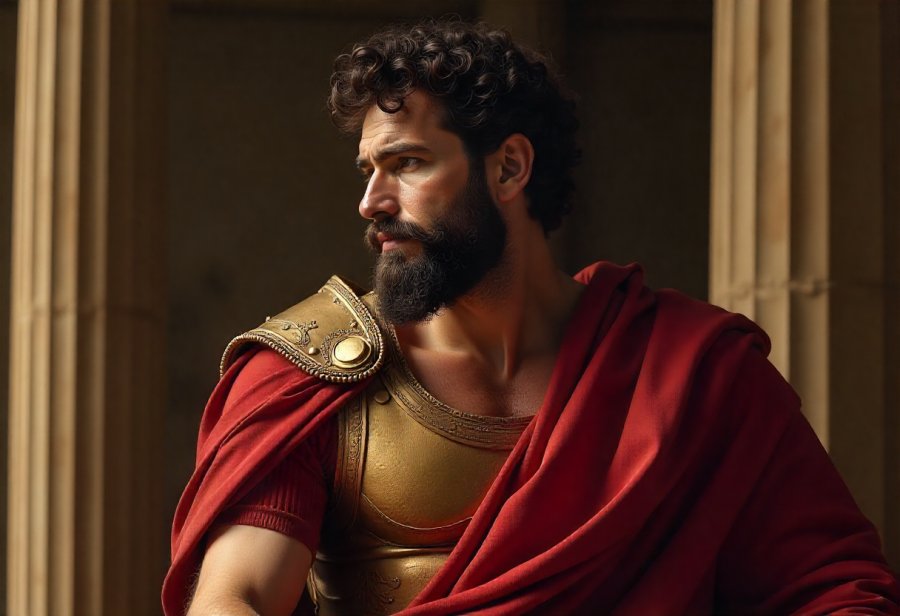
What if true strength lies not in external victories but within the depths of self-discipline and moral resilience? The life of Marcus Aurelius exemplifies this timeless truth—an emperor who governed an empire through unwavering inner mastery rather than conquest alone. His Stoic principles highlight that enduring leadership is rooted in mastering oneself amid chaos, facing wars, plagues, and political upheavals with calm, clarity, and virtue. This narrative invites us to reconsider modern notions of power, emphasizing that genuine influence emanates from inner resilience and moral integrity. As the world grows more complex and distractions increase, cultivating inner discipline through reflection, patience, and self-awareness becomes a vital skill for leaders and individuals alike. Marcus’s legacy challenges us to develop a resilient mind, suggesting that the greatest empire we can build is within ourselves—so, are we willing to forge that internal strength to lead with lasting impact?
Inner Discipline Versus External Power: The Case of Marcus Aurelius
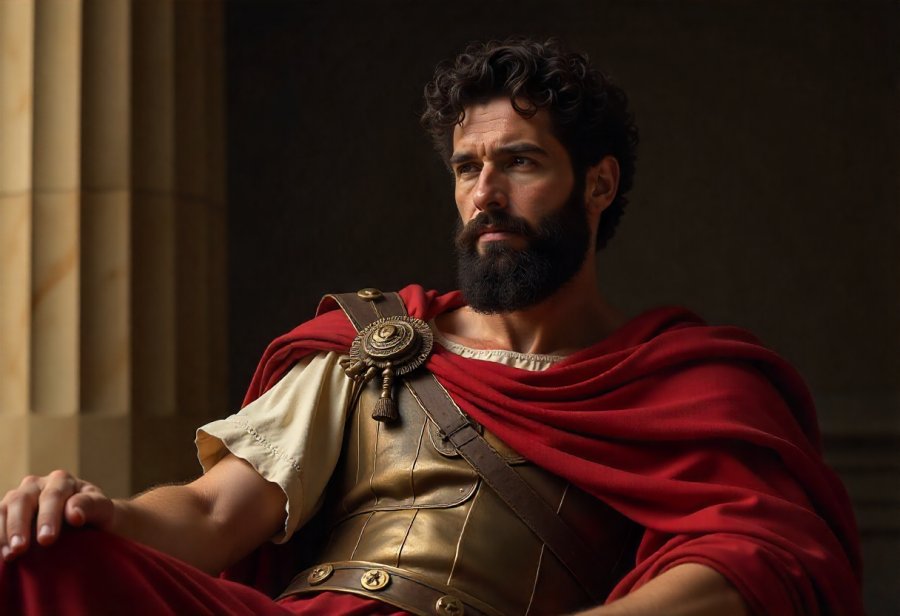
Throughout history, the idea of strength has often been linked to outward displays of power—conquering lands, winning battles, or amassing wealth. These achievements are easy to see and celebrate, but they don’t necessarily reveal the full story of resilience or true leadership. What if real strength isn’t about what’s visible on the surface but resides within? This question becomes especially compelling when we look at figures like Marcus Aurelius, a Roman emperor who ruled not just with armies and laws but with a mind rooted in inner discipline and philosophical wisdom.
Marcus’s life challenges the common notion that strength is measured by external dominance. As a philosopher-king, he believed that genuine leadership begins within—through self-control, moral clarity, and mental resilience. His writings in Meditations offer a rare glimpse into a man committed to mastering himself amid chaos and upheaval. Despite facing wars, plagues, and political unrest, Marcus maintained a calm and steady mind, guided by Stoic principles that emphasized virtue over victory.
This focus on inner discipline isn’t a modern idea; it stretches back thousands of years and appears across many cultures. Stoicism, in particular, highlights that while we cannot always control external events, we can control our reactions and judgments. Marcus exemplified this by striving to cultivate virtue during turbulent times, showing that true strength lies in resilience of the mind and character rather than external conquest. His life suggests that the most enduring power comes from mastering oneself, especially when circumstances are against us.
Marcus’s leadership was deeply rooted in this internal strength. When external crises arose—be it invasions, personal tragedies, or outbreaks of disease—he relied on his inner discipline to respond thoughtfully, not impulsively. His reflections reveal a man constantly working to stay aligned with his values, even in the face of suffering. This mental fortitude helped him govern with integrity and inspired loyalty among his followers, proving that true authority begins with self-mastery.
His example invites us to reconsider what it means to be truly strong. Instead of equating power with external success, it shows that resilience, patience, and moral integrity are the real foundations of lasting influence. In a world obsessed with outward appearances and superficial victories, Marcus’s life reminds us that the quiet, persistent effort of mastering ourselves often creates a more enduring legacy than external achievements alone.
Tracing the Roots of Inner Strength: Philosophy and History
The idea of inner strength and self-mastery isn’t new; it stretches back thousands of years across different cultures and philosophies. One of the most influential roots comes from Stoicism, a school of thought that emphasizes virtue, self-control, and wisdom as the keys to resilience. Stoics believed that external events are beyond our control, but our reactions and judgments are within our power. This shift in focus—from trying to change the world to mastering ourselves—made inner discipline the highest form of strength. Marcus Aurelius, a Stoic philosopher and Roman emperor, exemplified this approach by seeking to cultivate virtue amidst chaos, rather than relying solely on military might or political dominance.
Marcus Aurelius’s life illustrates how deeply rooted these ideas are in history. Born in 121 AD, he rose to power during a turbulent time, facing wars, invasions, and internal crises. Despite external challenges, he remained committed to Stoic principles, constantly reflecting on how to govern himself first. His writings in Meditations reveal a man dedicated to self-awareness and moral integrity, always striving to act with reason and virtue. This inner discipline wasn’t about suppressing emotions but about understanding and channeling them wisely. His leadership was rooted in this internal strength, proving that true power begins within and influences everything else.
Philosophically, the core ideas underpinning inner resilience come from the Greek virtues of courage, temperance, justice, and wisdom. These virtues aren’t just moral ideals; they serve as practical tools for navigating life’s inevitable ups and downs. Self-control stands out as a vital trait—an ability to restrain impulses and respond thoughtfully instead of reacting impulsively. Wisdom guides us to look beyond immediate desires and recognize what truly matters. Together, these principles suggest that resilience isn’t solely about mental toughness but about cultivating a moral character capable of withstanding any storm without losing integrity.
Throughout his reign, Marcus faced crises that tested his inner resolve. During the Marcomannic Wars, he balanced military necessity with Stoic ideals of calm and reason. Even as barbarian tribes threatened the empire’s borders, he maintained a steady mind, refusing to succumb to fear or anger. The death of his son and outbreaks of plague could have shattered his spirit, but instead, he turned inward, using his philosophical training to stay grounded. His daily practice of reflection and journaling in Meditations reinforced this inner discipline, serving as active strategies to preserve his moral compass amid chaos.
Marcus’s approach demonstrates that genuine power originates from mental fortitude. Governing himself with patience, humility, and moral clarity allowed him to handle external pressures without losing his sense of purpose. This internal strength earned him respect and loyalty, as he modeled resilience and virtue in turbulent times. His life underscores that mastering impulses and maintaining moral integrity create a stable foundation for leadership—one that endures beyond superficial victories. It challenges modern notions that equate strength with dominance, highlighting instead that true leadership begins within.
Leadership from Within: How Inner Discipline Shapes Decisions
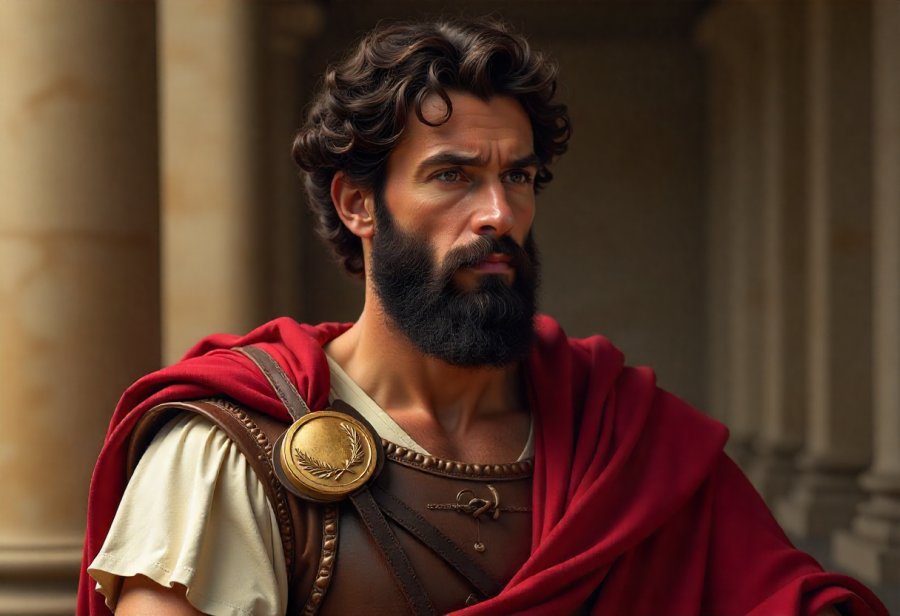
Marcus Aurelius’s inner discipline wasn’t just a personal virtue; it fundamentally shaped his leadership and decision-making. His unwavering commitment to Stoic values—self-control, wisdom, and moral integrity—enabled him to approach complex situations with calmness and clarity rather than impulsiveness. During the Marcomannic Wars, for example, he faced invasions and chaos, yet relied on his inner strength to make strategic choices that balanced military necessity with ethical considerations. This mental steadiness allowed him to weigh options carefully, avoiding panic and focusing on morally grounded actions that served the greater good.
This internal resilience directly influenced how he governed. In Meditations, he consistently practiced self-awareness—questioning his impulses, reflecting on his motives, and striving to act with integrity. This focus created a consistent internal compass that helped him navigate setbacks, such as the death of loved ones or outbreaks of plague. Instead of succumbing to grief or fear, he turned inward, using his philosophical training to maintain purpose and moral clarity. This inner resilience made his leadership more stable and inspired loyalty among those he led.
Marcus’s calmness under pressure was not a sign of weakness but a reflection of his disciplined mind. When external crises emerged, he responded with patience and reason, qualities that earned him respect and trust. His ability to stay centered allowed him to see multiple perspectives and make tough decisions that balanced compassion with duty. This steadiness reassured his advisors and soldiers, reinforcing the perception that he governed himself first, which in turn strengthened his authority.
His habit of writing Meditations amid turmoil highlights how vital daily reflection was to his self-discipline. These moments of introspection weren’t just personal exercises—they were active tools for maintaining his moral and mental strength. By regularly reviewing his thoughts and actions, Marcus reinforced his commitment to virtue, ensuring that external chaos wouldn’t derail his inner stability. This disciplined introspection was instrumental in fostering the mental toughness that defined his leadership.
Marcus Aurelius demonstrated that true power stems from mental fortitude. Governing himself with patience, humility, and moral clarity, he managed internal and external challenges with remarkable resilience. His example shows that mastering impulses and maintaining integrity create a foundation for effective leadership—one that can withstand turbulent times and inspire others. His life underscores that the greatest strength lies within, and that cultivating inner discipline is essential for lasting influence.
This internal focus challenged the notion that strength is measured solely by external victories or dominance. Instead, Marcus’s leadership exemplifies how moral resilience and self-control foster genuine authority. By embodying these qualities, he set a standard for leadership rooted in authenticity and virtue, proving that external success is fleeting without a solid inner foundation. His example encourages today’s leaders to prioritize self-mastery as the key to enduring impact.
In the end, Marcus Aurelius’s internal discipline created a ripple effect that extended beyond personal virtue. It shaped a leadership style that inspired trust, loyalty, and moral integrity in turbulent times. His ability to govern himself first allowed him to govern others more effectively, establishing a legacy built on resilience and virtue. This approach remains relevant today, reminding us that the most enduring leadership arises from within—where true strength and wisdom reside.
Applying Ancient Wisdom: Inner Resilience in Today’s World
In today’s fast-paced world, applying the principles of inner discipline isn’t just a personal ideal—it’s a practical necessity for effective leadership and meaningful growth. Modern leaders face constant uncertainty, rapid change, and high expectations, making resilience and self-awareness more valuable than ever. Cultivating habits like daily reflection, mindfulness, and deliberate decision-making helps build a foundation of inner strength that can withstand external pressures. These practices foster clarity and calmness, enabling leaders to respond thoughtfully rather than react impulsively when crises arise.
The stories of figures like Malala Yousafzai and Nelson Mandela highlight how inner resilience rooted in moral conviction can create profound influence. Despite facing violence, oppression, and long-term hardships, they maintained unwavering resolve. Their examples show that true strength emerges from within and that moral integrity often outweighs external displays of power. Embracing this mindset allows contemporary leaders to inspire trust and foster loyalty, not through dominance, but through authenticity and moral clarity.
Building inner discipline in today’s distraction-heavy environment requires intentional routines. Journaling, meditation, and deep breathing are tools that help regulate emotions and reinforce focus. These habits turn philosophical ideals into tangible actions, helping individuals stay centered amid chaos. When setbacks are viewed as opportunities for growth rather than failures, mental resilience deepens. Over time, this persistent effort cultivates a calm, composed mindset that remains steady through life’s inevitable ups and downs.
Numerous resources support this journey. Classic texts like Marcus Aurelius’s Meditations offer timeless guidance, while modern books, apps, and courses on emotional intelligence make these principles accessible. Consistency is key; small daily steps—mindful pauses, reflective journaling, or breathing exercises—compound into a resilient outlook. This ongoing commitment to self-improvement transforms resilience from a vague concept into a reliable skill that sustains us in personal and professional spheres.
In leadership, prioritizing inner discipline shapes organizational culture. Leaders who demonstrate self-awareness and moral steadiness set a high standard, encouraging others to develop similar qualities. Such environments foster trust, transparency, and authenticity—traits that drive collective success. When people see leaders govern themselves with patience and clarity, they’re more likely to follow suit, creating ripples of resilience and virtue across teams and communities.
Fostering inner discipline isn’t a one-time effort; it’s a continuous journey. It requires honest self-assessment and a willingness to confront discomfort. Over time, these habits become second nature, guiding choices and responses. This inner strength doesn’t just help navigate external challenges; it shapes character, influences others, and builds lasting influence rooted in integrity. In an era of constant change, that’s the true mark of effective leadership.
Ultimately, embracing inner discipline transforms how we approach growth and influence. It offers a steady anchor amid turbulence, allowing leaders to act with purpose and authenticity. By investing in daily practices that reinforce self-awareness and resilience, individuals can lead with confidence and moral clarity. This inner strength becomes a powerful asset—one that elevates personal development and inspires positive change within organizations and society at large.
The Future of Leadership: Embracing Inner Strength for Lasting Impact
As we look toward the future, the importance of inner discipline in leadership becomes clearer than ever. In a world characterized by rapid change, unpredictable challenges, and relentless distractions, leaders who cultivate self-awareness, emotional resilience, and moral clarity will stand out. These qualities provide a stable foundation that enables them to navigate uncertainty with confidence and make decisions rooted in integrity. The legacy of Marcus Aurelius reminds us that mastery over oneself isn’t just a personal virtue—it’s a strategic asset that builds trust, respect, and lasting influence.
The growing emphasis on inner resilience aligns with cultural shifts that value authenticity and ethical behavior. Leaders who prioritize self-mastery inspire through calmness and consistency rather than superficial displays of power. As mental health awareness and emotional intelligence become central to effective leadership, inner discipline shifts from a private virtue to a vital skill. Investing in daily reflection, mindfulness, and deliberate decision-making transforms internal strength into a resilient force capable of guiding organizations and communities through complex times.
This ongoing journey of self-development shapes not only individual character but also the broader organizational culture. Leaders who govern themselves well set a standard that encourages others to embrace similar qualities. Such environments foster trust, transparency, and genuine engagement—creating a ripple effect of resilience and integrity that extends beyond immediate teams. As society increasingly recognizes that true authority stems from within, the emphasis on inner discipline will redefine what effective leadership looks like in the years ahead.
Developing this inner strength is a continuous process. It requires honest self-assessment, a willingness to confront discomfort, and consistent effort. Small daily habits—like journaling, meditation, or mindful pauses—compound over time, reinforcing resilience and clarity. These practices help leaders remain centered amid chaos and make morally grounded choices, even in turbulent circumstances. Over time, inner discipline becomes second nature, shaping a character capable of guiding others with authenticity and moral purpose.
The influence of such leadership extends beyond individual or organizational success; it fosters societal progress. Leaders rooted in inner discipline set a higher standard—one based on patience, humility, and virtue—encouraging others to follow suit. As these qualities become more widespread, they will create a culture of trust and moral strength that can withstand external upheavals and inspire collective resilience. The future of leadership belongs to those who recognize that real power resides within, cultivated through persistent inner work.
By embracing the principles of self-mastery today, we lay the groundwork for a more stable, ethical, and resilient tomorrow. Leaders who invest in their inner growth will be better equipped to face the complexities of an uncertain world. Their steady minds and moral clarity not only enhance their own influence but also inspire others to pursue a similar path. In doing so, they help build a legacy rooted in genuine strength—one that endures beyond fleeting trends and external achievements. The greatest empire we can build is within ourselves; cultivating that internal realm is the surest way to lead with wisdom and lasting impact.