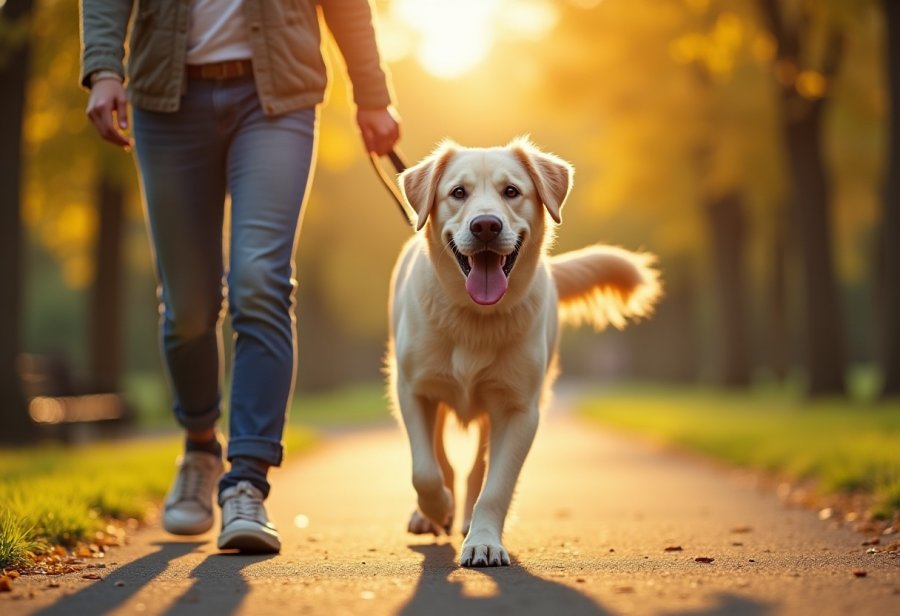
Discover How Outdoor Walks Boost Your Dog’s Happiness and Bond
Few moments in a dog’s day evoke such genuine joy as a walk outdoors—yet what makes these simple outings profoundly meaningful for both pets and owners? This guide reveals that outdoor walks are more than routine exercise; they are essential for a dog’s emotional and mental well-being. Exploring varied environments, engaging in playful activities, and respecting a dog’s natural instincts to sniff and investigate transform ordinary strolls into enriching adventures. These shared experiences foster trust, deepen bonds, and boost confidence, turning each walk into a treasured ritual. But how can owners maximize this happiness? By understanding the science behind canine curiosity and carefully tailoring outings—through natural settings, social interactions, and mindful pacing—they can elevate daily walks into powerful moments of connection and joy. Are you ready to transform your walks into meaningful, joyful adventures that nourish both body and soul for your furry friend?
Discover the Pure Joy of Outdoor Walks for Dogs and Owners
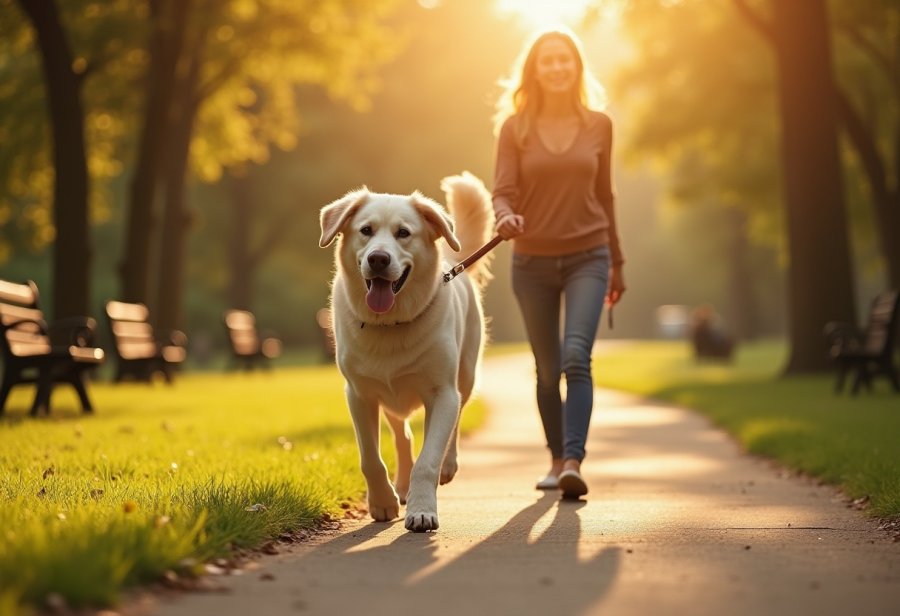
Few moments in a dog’s day bring more genuine happiness than a walk outdoors. It’s not just about covering ground; it’s an opportunity for dogs to explore, relax, and truly enjoy their surroundings. These outings are more than routine exercise—they’re essential for a dog’s emotional well-being. When a dog is allowed to sniff, investigate, and take in new sights, they experience a sense of freedom that’s hard to replicate indoors. For many dogs, the walk becomes the highlight of their day—a break from the confines of home and a chance to reconnect with the world around them.
For pet owners, outdoor walks are more than just physical activity; they’re moments of bonding and shared joy. Watching your dog’s tail wag, ears perk up, and eyes light up as they discover something new creates a special connection rooted in trust and happiness. These unspoken exchanges deepen the relationship, turning a simple routine into a meaningful shared experience. It’s a reminder that some of life’s best moments are found in the small, everyday acts of companionship.
Beyond emotional benefits, outdoor walks support a dog’s physical health. Regular exploration helps maintain a healthy weight, build muscle, and improve cardiovascular health. But perhaps even more vital is the mental stimulation. The variety of scents, sights, and sounds engages their senses and keeps their minds sharp. This sensory input prevents boredom and stress, especially in dogs confined indoors for long periods. In this way, outdoor walks serve as a natural mental health boost, fulfilling their instinctual need to investigate and learn from their environment.
Dogs are naturally wired for outdoor adventures due to their evolutionary past. Their ancestors relied on tracking scents, hunting, and exploring vast territories—activities that kept them physically active and mentally alert. When dogs sniff and investigate during walks today, they’re engaging in behaviors that feel deeply satisfying. These activities release feel-good chemicals in their brains, reinforcing their desire to venture outside and explore. It’s not just exercise; it’s a vital part of their emotional and instinctual makeup.
The bond formed during outdoor walks goes beyond physical exercise. It’s built on trust, safety, and mutual discovery. Responding to your dog’s cues—pausing to sniff, exploring new trails together—nurtures a relationship based on respect. These shared moments of curiosity and exploration boost confidence and create a sense of security. Over time, they deepen the emotional connection, turning walks into treasured rituals that benefit both dog and owner. In a busy world, these outdoor adventures remind us to slow down and savor life’s simple pleasures together.
Unveiling the Science Behind Canine Happiness in Nature
Dogs are naturally wired to seek out outdoor environments because of their evolutionary roots. Their ancestors relied on exploring vast territories, tracking scents, and hunting for food—activities that kept their bodies active and their minds sharp. Even today, scientific research shows that these instincts still influence how dogs feel about outdoor adventures. When dogs sniff and investigate new smells, their brains release chemicals like dopamine and endorphins, which create feelings of pleasure and satisfaction. This chemical response explains why outdoor activities are so rewarding: they allow dogs to engage in behaviors that fulfill their innate drives.
The outdoors provides a rich sensory landscape that indoor environments simply can’t match. Sights, sounds, and especially smells bombard a dog’s senses, offering endless opportunities for exploration. Sniffing isn’t just a habit; it’s a vital way for dogs to gather information about their surroundings. Each new scent tells a story—whether it’s a trail left by another animal, the aroma of food, or the scent of water nearby. Visual stimuli like rustling leaves or birds overhead, combined with sounds from traffic or wildlife, keep their ears and eyes alert. This sensory engagement acts as mental exercise, sparking curiosity and exploration.
This active engagement isn’t just stimulating—it has a profound impact on emotional health. When dogs explore and process all these stimuli, they experience a sense of achievement and curiosity fulfilled. This boosts their confidence and reduces stress, especially in anxious or bored dogs. Investigating the environment helps them feel more in control and secure, turning simple sniffing into a crucial activity for emotional well-being. That’s why outdoor walks are eagerly anticipated—they’re more than exercise; they’re mental nourishment.
Beyond instinctual satisfaction, outdoor walks strengthen the emotional bond between dogs and their owners. As dogs learn to trust their owners’ cues and explore new environments together, their confidence grows. The relaxed outdoor setting fosters a sense of safety and trust, encouraging positive interactions. Over time, these shared experiences deepen the relationship, making walks not just routines but moments of mutual discovery and connection.
Understanding the science behind a dog’s happiness during outdoor activities helps us appreciate their need for sensory stimulation and mental engagement. Recognizing that sniffing and exploring are natural behaviors allows owners to create more enriching experiences. Whether by choosing environments rich in scents or allowing dogs to explore at their own pace, we can make every outing more fulfilling. These insights remind us that outdoor walks aren’t just physical exercise—they’re fundamental to a dog’s mental health and emotional balance, serving as a source of joy, discovery, and bonding.
When we grasp the biological and psychological reasons behind canine happiness outdoors, it becomes easier to tailor walks that truly satisfy. Creating opportunities for varied environments, encouraging exploration, and respecting their cues turn routine outings into meaningful adventures. Such mindful approaches promote confidence, reduce stress, and reinforce the trust between dog and owner. In this way, outdoor walks become more than just a daily activity—they transform into vital moments of happiness and connection that enrich both lives.
Creating a Joyful Walk: Key Elements for Endless Exploration
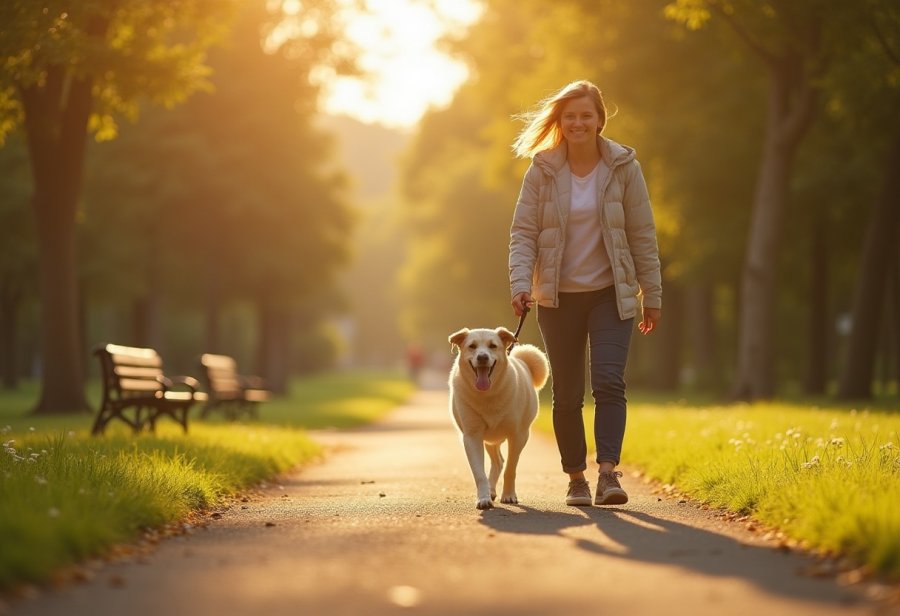
A truly joyful walk for a dog is about more than just moving from point A to point B; it’s an experience that stimulates their senses, sparks curiosity, and keeps them eager to explore. Varying the route—whether it’s a different park, trail, or neighborhood—introduces new sights, smells, and textures that prevent boredom and turn each outing into a fresh adventure. When your dog encounters these novel stimuli, their mind stays engaged, and their enthusiasm grows, making every walk feel exciting and rewarding.
Play is a vital ingredient in creating a memorable outdoor experience. Incorporating quick games like fetch or tug-of-war, or teaching new tricks during the walk, transforms routine exercise into a fun-filled event. Play not only burns off excess energy but also deepens your bond, forging a positive association with outdoor adventures. When your dog looks forward to these moments, their eagerness and joy become obvious, turning walks into shared celebrations of discovery.
Socialization adds another layer of enjoyment. Meeting other friendly dogs or people in controlled, positive settings builds confidence and social skills. These interactions make the walk lively and engaging, turning a simple stroll into an opportunity for emotional enrichment. Over time, your dog learns to navigate social cues better, making future outings more relaxed and enjoyable for everyone involved.
Paying close attention to your dog’s body language and cues is key. Giving them space to sniff, pause, and explore at their own pace respects their natural instincts and sense of control. If they’re eager to investigate a scent or want a break, letting them do so fosters trust and comfort. Rushing or forcing them forward can cause stress and diminish their enjoyment, while respecting their rhythm turns exploration into a shared, positive experience.
Creating a calm, unhurried environment during walks makes a significant difference. Instead of rushing from one point to another, slowing down and allowing your dog to fully engage with their surroundings makes the outing more relaxing. Pauses for sniffing or observing scenery give your dog a chance to absorb the environment, strengthening their confidence and sense of security. This gentle pace encourages a peaceful, almost meditative connection to nature.
Choosing environments rich in natural stimuli elevates the walk’s joy. Forests, meadows, and lakes offer a tapestry of scents, sights, and sounds that excite your dog’s instincts and curiosity. These settings provide mental enrichment and help your dog feel more relaxed and connected to their surroundings. The variety and richness of natural environments turn everyday outings into truly joyful adventures, fostering happiness and a deeper bond.
Incorporating these elements—variety, play, socialization, respecting cues, calm pacing, and natural settings—transforms routine walks into meaningful moments of happiness. These experiences stimulate your dog’s mind, strengthen your relationship, and create lasting memories. When approached with intention and awareness, outdoor walks become more than exercise; they become treasured rituals that nourish both body and soul, offering pure joy in every step.
Smart Strategies to Maximize Outdoor Walk Happiness
To truly boost the happiness your dog gets from outdoor walks, small but intentional changes can make a big difference. Start by mixing up your routes—exploring new parks, trails, or neighborhoods keeps things fresh and exciting. When your dog encounters unfamiliar sights, smells, and sounds, it sparks their curiosity and makes each walk feel like a new adventure. This variety not only prevents boredom but also encourages enthusiasm, turning routine outings into eagerly awaited events.
Incorporating play into your walks elevates the experience even further. Bringing along a favorite ball or toy for quick games of fetch or tug-of-war transforms a simple stroll into a highlight of their day. Play helps burn off excess energy, but it also deepens your bond, creating positive associations with outdoor time. When your dog looks forward to these playful moments, their eagerness and joy become unmistakable, making every walk a shared celebration of discovery.
Socialization adds another layer of enjoyment. Introducing your dog to other friendly dogs or people in controlled, positive settings builds confidence and social skills. These interactions turn a solitary walk into a lively, engaging experience that enriches their emotional life. Over time, your dog learns to navigate social cues more comfortably, which leads to more relaxed and happy outings. Sharing these moments fosters trust and comfort, making future adventures even more rewarding.
Pay close attention to your dog’s body language and cues. Allowing them to sniff, pause, and explore at their own pace respects their natural instincts and sense of control. If they’re eager to investigate a scent or want a break, give them space to do so without rushing. This respect for their rhythm builds trust and creates a positive, stress-free environment. When your dog feels heard and safe, they are more likely to relax and fully enjoy every moment of the walk.
Finally, choosing environments rich in natural stimuli can significantly enhance the walk’s joy. Forests, meadows, and lakes provide a diverse tapestry of scents, sights, and sounds that excite your dog’s senses. These settings foster mental stimulation and relaxation, helping your dog feel more connected and at ease. By seeking out natural, stimulating environments and incorporating variety, you turn everyday walks into meaningful, joyful adventures that strengthen your bond and nurture your dog’s happiness.
Cherished Moments: The Power of Outdoor Walks to Enrich Lives
Outdoor walks are more than just daily routines—they’re essential moments that nurture a dog’s happiness and deepen the bond with their owner. These outings stimulate a dog’s senses, allowing them to explore, discover, and enjoy the world around them. When owners pay attention to those small, joyful cues—like a wagging tail, a curious sniff, or a contented pause—they build a foundation of trust and affection that lasts.
The variety and sensory richness of outdoor walks play a crucial role in a dog’s emotional well-being. Changing routes, visiting new parks, or exploring different environments keep their curiosity alive and prevent boredom. These moments of discovery boost confidence and foster positive associations with outdoor time, transforming routine walks into adventures that dogs look forward to with enthusiasm.
A key ingredient in making these outings truly fulfilling is respecting your dog’s natural instincts and cues. Allowing them to sniff, explore, and take breaks at their own pace creates a shared experience rooted in mutual trust. Rushing or forcing them forward can cause stress and diminish their enjoyment. Instead, tuning into their body language and giving them space to investigate helps foster a sense of security and mutual respect, making each walk more relaxing and rewarding.
Incorporating playful elements and opportunities for socialization further enhances the joy of outdoor walks. Quick games of fetch or tug, along with positive interactions with other dogs or people, make each outing lively and engaging. These experiences build confidence, reduce anxiety, and strengthen your emotional connection. Over time, they turn outdoor excursions into cherished moments of discovery and companionship.
Choosing natural, stimulating environments like forests, meadows, or lakes can elevate every walk from routine to memorable. The diverse scents, sights, and sounds in these settings excite your dog’s instincts and foster relaxation. When surrounded by nature, dogs tend to be more at ease, more connected, and happier. These moments of genuine engagement don’t just benefit their mental health—they deepen the trust and love between you both.
When you approach outdoor walks with intention—prioritizing variety, patience, play, and natural settings—you transform them into powerful opportunities for joy and connection. These simple acts of exploration and shared discovery create lasting memories and reinforce the deep bond that makes life with a dog so rewarding. In embracing these principles, every step becomes an expression of love, trust, and happiness that enriches both your lives.