Cultivating Connection and Healing Through Shared Gardening
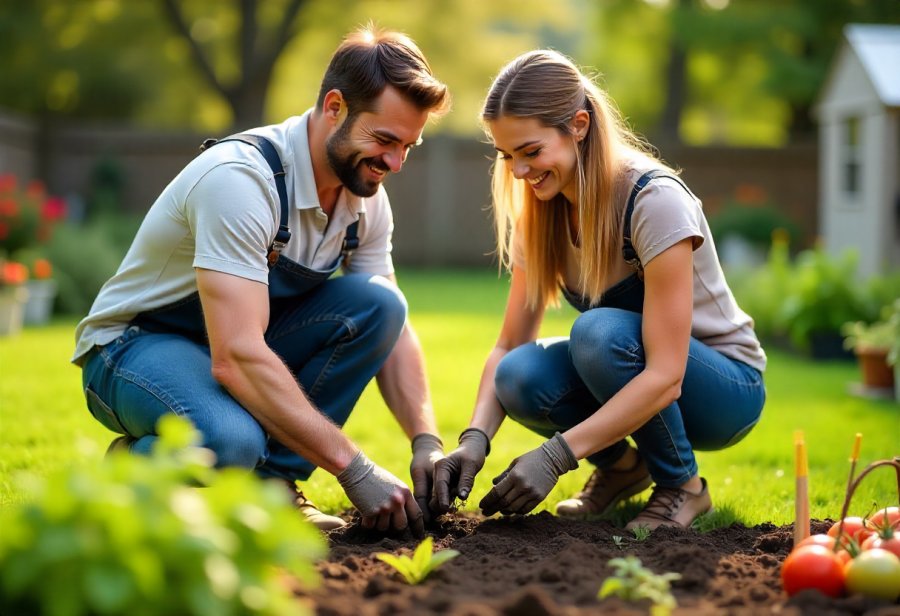
In a world dominated by screens and instant gratification, the simple act of tending a garden together offers a timeless pathway to deeper connection and healing. This heartfelt exploration reveals how shared outdoor activity—planting, watering, nurturing—can foster patience, trust, and meaningful communication. Gardening becomes more than a hobby; it transforms into a ritual of love and resilience that nurtures both mind and relationships. The sensory experiences—feeling soil, smelling blossoms, hearing rustling leaves—serve as a natural therapy, grounding participants and reducing stress. Experts affirm that these collective efforts strengthen bonds while promoting emotional well-being. Could tending to soil be the antidote to digital disconnection? The answer lies in the quiet power of growth—both of plants and of human bonds—reminding us that nurturing life together may hold the key to healing in a fractured world.
Deepening Bonds Through Shared Gardening in a Digital Age
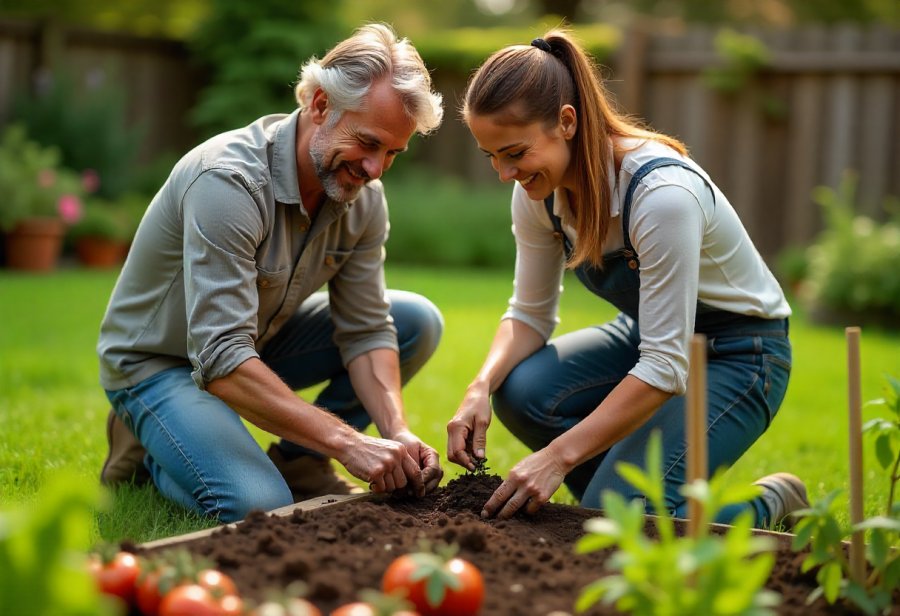
In today’s fast-paced, digital world, it’s easy to feel more connected to screens than to the people around us. Yet, there’s something timeless about working outdoors—something that can ground us and bring us closer to others. Sharing the task of planting, watering, and caring for a garden opens a space where patience, trust, and collaboration naturally grow. It’s not just about cultivating flowers or vegetables; it’s about nurturing relationships through a simple, shared activity that encourages presence and mindfulness.
Gardening together offers a calming rhythm that helps slow down the rush of daily life. As we tend to the soil side by side, we create opportunities for genuine connection beyond words. This act of caring for living things becomes a mutual journey of trust and support, breaking down barriers that often exist in digital interactions. Over time, these shared moments of effort and patience can deepen emotional bonds, making the experience more meaningful than the sum of its parts.
Beyond its emotional benefits, gardening is a form of outdoor therapy. The physical act of digging, planting, and watering engages our senses—feeling soil, smelling blooming flowers, hearing rustling leaves—in a way that promotes mindfulness and reduces stress. When done with others, these sensory experiences foster trust and open communication, helping relationships flourish in a calm, nurturing environment. It’s a gentle reminder that sometimes, growth happens best when shared.
In a world increasingly dominated by instant gratification and virtual interactions, tending a garden together reminds us of the value of patience and presence. It’s a simple activity that offers a powerful antidote to disconnection, encouraging us to slow down and invest in something real. Whether it’s a backyard, balcony, or community plot, these shared efforts cultivate not only plants but also deeper understanding and emotional resilience, proving that connection can indeed grow in the dirt.
The Healing Power of Gardening: An Outdoor Sanctuary for Mind and Spirit
Gardening naturally functions as outdoor therapy, providing a peaceful escape from the stresses of everyday life. When we step into a garden, we leave behind screens and noise, giving ourselves space to breathe, reset, and reconnect. The physical movements involved—digging, planting, watering—engage our senses in a calming, meditative way that helps ground us in the present moment. These repetitive actions lower stress hormones like cortisol and boost feelings of calm and well-being, making gardening a simple yet effective form of mindfulness.
Sharing this activity with someone else amplifies its therapeutic benefits. Working side by side in the soil fosters trust and creates a supportive environment where open communication can flourish naturally. The tangible effort of caring for plants helps people feel connected—not just to nature, but also to each other. It’s a gentle, accessible way to build emotional resilience, especially during difficult times, because it emphasizes patience and teamwork without the need for explicit emotional discussions.
The sensory experiences involved—feeling soil, smelling blossoms, hearing rustling leaves—ground us deeply in the moment. These simple interactions stimulate the release of feel-good hormones like serotonin, which promote relaxation and a sense of contentment. Celebrating small successes, such as a sprouting seed or a blooming flower, deepens bonds and reinforces a shared sense of accomplishment. Gardening becomes more than just a task; it evolves into a ritual of care, patience, and hope that nurtures both mind and spirit.
Gardening also teaches emotional regulation through its unpredictability. The uncertain growth of plants mirrors life’s own surprises and setbacks, encouraging us to accept delays and failures with patience. When working together, these lessons translate into better listening, understanding, and cooperation—skills that strengthen relationships over time. The steady routine of tending a garden creates a calming rhythm that can serve as an anchor amid life’s chaos, reinforcing trust and emotional stability.
Research supports the mental health benefits of engaging with nature. Studies show that outdoor activities reduce stress hormones and elevate mood, offering a natural remedy for anxiety, grief, or trauma. The sensory engagement involved in gardening—touching soil, smelling flowers, hearing nature—tames mental clutter and promotes emotional clarity. For many, these moments of mindful activity become a form of gentle therapy, helping process feelings and foster hope in a nurturing environment.
Ultimately, gardening is more than a pastime; it’s a subtle, powerful tool for emotional healing. The act of caring for living things encourages patience, resilience, and trust—qualities essential for personal growth and stronger relationships. When done together, it transforms into a shared journey of hope and renewal, proving that sometimes, the best medicine is found in the dirt beneath our feet.
Cultivating Connection: Practical Ways to Strengthen Relationships Through Gardening
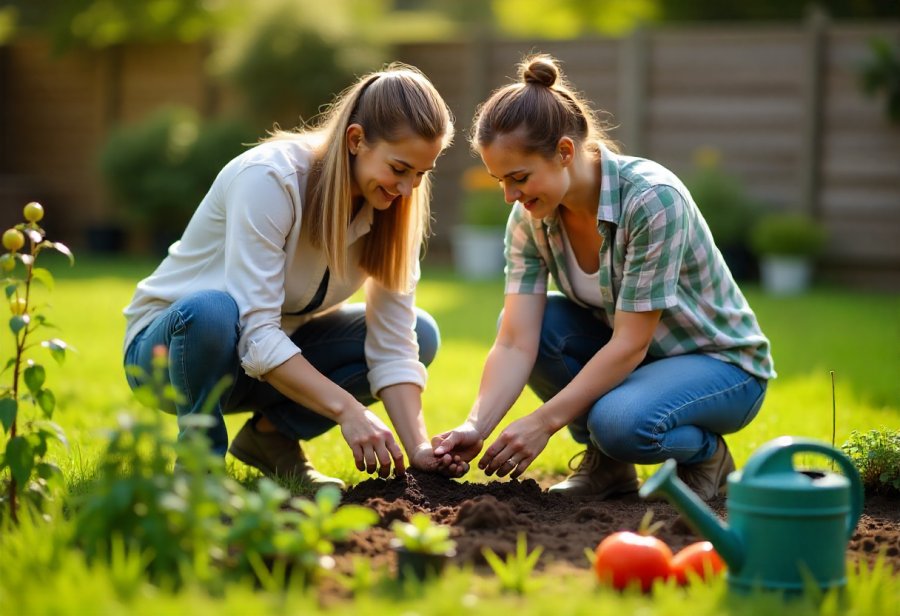
Sharing a garden isn’t just about planting seeds; it’s about creating meaningful moments that naturally strengthen bonds and support healing. Starting a small vegetable patch together, for example, encourages teamwork from the outset. Planning what to grow, planting, watering, and harvesting all require collaboration and patience. These shared tasks foster communication and mutual accomplishment, turning routine chores into opportunities for connection that extend beyond the garden itself.
Community gardens offer another powerful avenue for relationship building. When neighbors or friends tend a common plot, they share a sense of purpose and belonging. Working side by side—whether planting herbs, flowers, or vegetables—creates natural chances for conversation and support. Over time, these collective efforts forge trust and deepen bonds, helping people see each other as partners rather than strangers.
Establishing regular gardening routines adds structure and familiarity. Setting specific times—like weekend planting days or weekly watering sessions—creates dependable moments for togetherness. These routines transform gardening into a tradition, a dependable space where conversations happen naturally and relationships grow stronger. Consistent effort and shared purpose turn simple acts into anchors of emotional connection.
Conflicts—such as disagreements over plant choices or scheduling—are inevitable, but they offer valuable chances to improve communication. Navigating these small disagreements requires patience and flexibility, skills that translate directly into stronger relationships. Finding compromises or creative solutions during gardening projects encourages empathy, understanding, and mutual respect, reinforcing the idea that caring for a garden mirrors caring for each other.
Adding creative projects like building raised beds or designing themed gardens makes the experience more engaging. Planning and executing these ideas demand teamwork, problem-solving, and shared creativity. Seasonal planting parties or friendly competitions can bring an element of fun, turning routine gardening into memorable moments of joy and collaboration. These activities deepen bonds through shared effort and shared victories.
Including children or other family members enriches the emotional experience. Teaching kids about planting and responsibility creates lasting memories and values. Watching a seed grow into a thriving plant becomes a powerful symbol of nurturing and trust, reinforcing family bonds. These shared gardening moments can evolve into cherished traditions that carry emotional significance for years to come.
Focusing on the journey rather than perfection keeps the experience positive and inclusive. Gardening’s natural unpredictability teaches patience and resilience. Celebrating small successes and embracing setbacks foster a supportive environment where everyone feels valued. When contributions are recognized and appreciated, gardening becomes a nurturing activity that feeds both plants and relationships, turning everyday acts of care into powerful tools for connection and healing.
Insights from Experts: Harnessing the Therapeutic Benefits of Shared Gardening
Experts across psychology, therapy, and gardening agree that shared gardening offers profound emotional benefits. Psychologists highlight how working with plants fosters mindfulness and emotional regulation, helping to lower stress hormones like cortisol and boost feelings of calm. Engaging the senses—touching soil, smelling blossoms, hearing rustling leaves—grounds us in the present and creates a naturally soothing experience. When done together, this shared focus encourages trust and open communication, strengthening bonds through collective effort and presence.
Therapists frequently incorporate gardening into their work because caring for living things provides a gentle pathway for processing trauma and building resilience. The act of nurturing plants becomes a mirror for patience and healing, helping individuals develop emotional strength over time. Experienced gardeners emphasize that simplicity is key: starting with manageable projects like container gardens or small vegetable patches makes the activity approachable and enjoyable. The focus on sensory engagement and small successes amplifies the calming effects and deepens emotional connections, making gardening an accessible form of outdoor therapy.
Stories from mental health professionals and personal experiences reinforce how shared gardening can lead to meaningful breakthroughs. Couples reconnect through joint projects, families bond over caring for a shared space, and community groups find renewed trust in working side by side. These narratives underline that gardening isn’t just about plants; it’s a pathway to nurturing emotional resilience and fostering connection. When approached thoughtfully, gardening becomes a gentle but powerful tool for healing and relationship growth, providing a safe environment for vulnerability and support.
It’s also vital to adapt gardening activities to individual needs. Physical limitations, cultural differences, or personal preferences shape how people engage with outdoor spaces. Respecting these differences ensures the activity remains positive and inclusive. By emphasizing patience, flexibility, and shared purpose, experienced gardeners and therapists demonstrate that the emotional benefits of gardening are accessible to everyone. This inclusive approach helps build trust, resilience, and a sense of shared achievement, making gardening a versatile and effective avenue for emotional well-being.
In sum, expert insights confirm that shared gardening nurtures emotional health by fostering mindfulness, patience, and trust. Its simplicity and accessibility make it an ideal activity for strengthening relationships across all kinds of bonds. When approached with care and intention, gardening offers a natural, gentle way to process feelings, build resilience, and deepen connections—proving that growth, both personal and relational, can flourish in the dirt.
Growing Together: Embracing Gardening as a Path to Healing and Future Connections
Looking ahead, the potential for gardening to strengthen connections and foster healing continues to grow. As community programs, urban farms, and therapeutic horticulture expand, more people will experience the emotional benefits of tending plants together. Advances in understanding how nature impacts mental health suggest that integrating gardening into daily routines could become a common tool for building patience, trust, and shared purpose across diverse settings. These initiatives can turn green spaces into safe havens for connection, offering space for collective growth and resilience.
Throughout this exploration, a clear pattern emerges: shared gardening isn’t just about cultivating plants; it’s about cultivating relationships. The act of working side by side in the soil encourages patience, trust, and open communication—key ingredients for any strong bond. Scientific research supports the idea that outdoor activities and sensory engagement with nature can lower stress hormones and elevate mood, making gardening a natural, accessible form of therapy. Personal stories reinforce that planting and caring together can lead to meaningful breakthroughs in romantic partnerships, family bonds, or friendships.
In a world that often values speed and instant gratification, gardening reminds us of the power of patience and presence. Tending a garden together encourages mindfulness, helping us reconnect with our surroundings and each other on a deeper level. It’s a simple act that offers a profound counterpoint to digital disconnection, fostering trust and understanding without the need for words. Whether in a backyard, balcony, or community plot, these shared efforts nurture not only plants but also emotional resilience and empathy.
Looking forward, innovations like urban farming, community gardens, and therapeutic horticulture hold promise for reaching wider populations. Technology—such as virtual gardening platforms or adaptive techniques—can make these activities more inclusive, especially for those with physical limitations or busy schedules. As awareness around mental health and social bonds grows, integrating gardening into educational, healthcare, and community initiatives could become routine, transforming green spaces into hubs of healing and connection.
Starting small remains key. Whether it’s a few pots on a balcony or a shared patch in a neighborhood, the simple act of planting and caring for life can spark deep emotional benefits. These small acts of nurturing serve as reminders that growth—whether of plants or relationships—takes time, patience, and attention. Each seed planted becomes a symbol of trust and hope, capable of rippling outward into stronger, more compassionate communities.
As society increasingly recognizes the importance of emotional well-being, gardening offers a gentle yet powerful way to counteract disconnection. It reminds us that growth begins with patience, presence, and a little dirt. By cultivating green spaces alongside nurturing human bonds, we create opportunities for understanding, trust, and healing. These shared acts of care lay the foundation for more resilient, empathetic communities—one seed at a time.
In embracing gardening as a tool for connection, we open doors to a more mindful, compassionate future. The simple act of tending to plants together can help rebuild trust, foster resilience, and deepen our understanding of one another. It’s a practice that encourages patience and nurtures hope, even amid uncertainty. As more people discover the healing power of shared gardening, we move closer to a world where growth—both personal and collective—flourishes in the dirt and in our relationships.
The journey of growth is ongoing, but with each seed planted and each shared moment, we reinforce the idea that healing and connection are within reach. Gardens can become sanctuaries of trust and resilience, spaces where people come together with purpose and patience. In a time when disconnection often feels overwhelming, tending a garden offers a simple, powerful reminder: real growth happens when we nurture both the earth and each other.