Building Teen Driving Confidence for a Safer Future
Learning to drive marks a pivotal moment of independence for teenagers, yet behind the excitement lies a wave of nerves and self-doubt. This guide explores how young drivers can transform anxiety into confidence through practical strategies, emotional support, and innovative training methods. How can small victories and positive reinforcement build resilience, turning hesitation into mastery? As technology evolves—with virtual reality simulations and driver-assist features—are we truly preparing teens for the unpredictable realities of the road? The journey isn’t just about mastering mechanics but also managing fears and stress, fostering responsible decision-making that extends beyond driving. With societal influences and parental guidance playing critical roles, the future of teen driver education looks promising, emphasizing emotional resilience alongside technical skills. Could the integration of these approaches lead to safer, more confident young drivers—and what does that mean for their independence and life skills? This evolving landscape invites us to rethink how we nurture the next generation behind the wheel.

Building Teen Driving Confidence: Overcoming Nerves with Support and Success
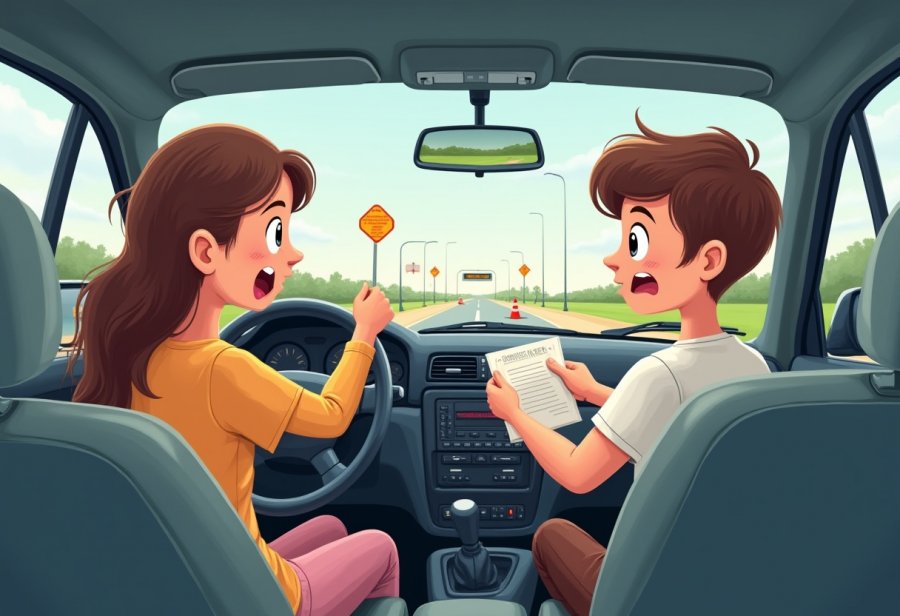
Learning to drive is a milestone that stirs a mix of emotions—excitement, nerves, and sometimes even doubt. For teenagers, sitting behind the wheel symbolizes independence and a step toward adulthood, but it also brings a flood of anxieties. Many young drivers worry about making mistakes, handling complex traffic situations, or just feeling unprepared. These feelings are completely normal; they’re part of the learning process. Recognizing this helps create a more forgiving environment where teens can grow confident without fear of failure.
Building confidence isn’t solely about mastering the mechanics of driving—steering, braking, or signaling. It involves helping teens manage their emotional responses. Fear, hesitation, and self-doubt can easily take hold early on, making them second-guess their decisions. Providing reassurance, structured practice, and positive reinforcement can turn those nerves into trust in their abilities. Small wins, like confidently parking or executing a smooth turn, boost their self-esteem and motivate them to take on more challenging tasks.
Understanding that emotional hurdles are normal is key. When teens realize that even experienced drivers face nerves and setbacks, they’re more likely to stay engaged and persistent. Supportive guidance from parents and instructors plays a vital role here. Normalizing mistakes as part of growth and celebrating progress, no matter how small, fosters resilience. This mindset helps teens see driving as a skill they can develop with patience and practice, rather than something they must perfect immediately.
As they advance, their journey toward confidence becomes a blend of skill-building and emotional development. Each practice session not only refines their technical abilities but also cultivates patience, decision-making, and stress management. Recognizing their progress and celebrating small successes reinforces a positive outlook. This approach transforms nervous energy into a steady sense of control, setting the foundation for safe, responsible driving—and life skills that extend beyond the road.
Foundations of Learning to Drive: Mastery, Mindset, and Manageable Steps
Learning to drive is more than just picking up the steering wheel and pedals; it’s a process that combines skill development with psychological readiness. When teens first sit behind the wheel, they often start in calm environments like empty parking lots or quiet streets. These initial moments focus on familiarizing them with the basic controls—steering, braking, accelerating, and signaling—building a foundation of confidence that’s crucial for progressing. Repetition here is key, helping to turn awkward movements into natural responses over time.
Beyond the mechanical aspects, psychological factors play a vital role in how quickly teens learn. Believing in their ability to succeed—known as self-efficacy—can significantly influence their progress. When teens feel capable, they’re more likely to engage fully and learn faster. Managing stress and maintaining patience are equally important, especially when faced with unfamiliar or challenging situations. Staying calm and focused helps prevent mistakes and builds emotional resilience, which is just as important as physical skill.
Breaking driving tasks into smaller, manageable steps makes the learning journey less overwhelming. Starting with simple exercises like straight-line driving or parking boosts confidence before moving on to more complex tasks like highway merging or night driving. Setting clear, achievable goals for each session provides a sense of direction and progress. Celebrating small successes reinforces their belief that they can handle more, gradually expanding their comfort zone and reducing anxiety.
Positive reinforcement is a powerful motivator during this phase. Praising efforts and accomplishments—no matter how minor—helps build a growth mindset. When teens understand that mistakes are part of learning, they become more resilient and willing to try again. Combining praise with stress-reduction techniques, such as deep breathing or visualization, can help calm nerves and improve focus during tricky situations. This mental preparation supports emotional strength, making confidence feel more attainable.
Incorporating modern tools like virtual reality simulations offers additional opportunities for practice in a safe environment. These immersive experiences expose teens to high-stress scenarios, such as busy intersections or highway merges, helping them become familiar with challenging situations before encountering them on real roads. Peer-led practice sessions and interactive lessons also foster a sense of community and normalize the learning process, reducing feelings of isolation or frustration.
Ultimately, building confidence in driving relies on patience, consistent practice, and emotional support. Small, steady steps combined with encouragement help teens develop both their skills and their self-trust. As they master each new challenge, they not only become better drivers but also cultivate resilience and decision-making skills that will serve them well beyond the wheel. This balanced approach lays a strong foundation for responsible, confident independence behind the wheel.

Current Teen Driving Landscape: Embracing Technology and Facing Risks
Today’s driving environment for teenagers is changing rapidly, influenced by new technology and shifting societal attitudes toward road safety. Modern vehicles now come equipped with a variety of driver-assist features—automatic emergency braking, lane departure warnings, adaptive cruise control—that can help prevent accidents. While these tools offer valuable safety nets, they also demand proper understanding and responsible use. Overreliance on such systems without grasping their limitations can give teens a false sense of security, potentially leading to risky behaviors when the technology doesn’t intervene.
At the same time, the rise of ride-sharing services and alternative transportation options has altered how teens approach driving. Many young people are driving less frequently, which impacts their skill development and confidence. Less practice on the road can leave teens feeling unprepared for real-world driving challenges, especially in unfamiliar or complex situations like merging onto busy highways or navigating at night. This reduced exposure can make the transition from learner to confident driver more difficult, increasing anxiety and hesitation.
Despite technological advances, teen drivers still face significant risks. Data shows they are more prone to accidents than experienced drivers, mainly because of inexperience, distractions, and overconfidence. Smartphones and social media make it easy for teens to lose focus, often leading to dangerous habits like texting while driving or speeding. Their limited experience means they often underestimate hazards or overestimate their abilities, which can result in risky decisions behind the wheel.
Driver education programs are evolving to keep pace, but quality and scope vary widely. Some focus on classroom theory, while others emphasize behind-the-wheel practice, but many teens only receive limited supervised driving hours. This inconsistency leaves many feeling unprepared for real-world scenarios such as night driving or highway merging, which are critical for building confidence. As a result, many young drivers struggle with the emotional and technical demands of complex driving environments.
Emerging training methods like virtual reality simulations are gaining popularity and show promise. These immersive tools allow teens to rehearse stressful scenarios—like navigating heavy traffic or dealing with aggressive drivers—in a controlled, safe setting. Such practice helps familiarize them with high-pressure situations, reducing fear and increasing confidence. Interactive lessons and gamified approaches also make learning more engaging, helping teens develop both skills and resilience.
Societal influences play a crucial role as well. Parental attitudes, peer behaviors, and cultural norms shape teens’ perceptions of safety and responsibility. Parents who model cautious driving and set clear boundaries tend to foster more responsible habits. Conversely, exposure to reckless driving among peers can undermine confidence and promote risky behaviors, emphasizing the importance of positive role models and supportive environments in shaping competent, confident drivers.
Looking ahead, the landscape of teen driving is poised for further transformation. As technology continues to advance, driver training will become more personalized, incorporating virtual reality, real-time feedback, and driver-assist systems. These innovations aim to strengthen not just technical skills but also emotional resilience, preparing teens to handle the unpredictable realities of the road with confidence and calm. This holistic approach promises a safer, more prepared generation of young drivers.
Practical Strategies to Boost Teen Confidence: Tools, Techniques, and Support
Building confidence in teen drivers starts with small, manageable steps that make learning feel less overwhelming. Beginning in quiet, familiar places like empty parking lots or quiet streets allows teens to focus on mastering basic controls without the pressure of heavy traffic. This gradual exposure helps them develop trust in their skills, turning initial hesitation into smooth, confident movements. As their comfort grows, they can gradually take on busier roads and more complex maneuvers, reinforcing their sense of capability.
Setting clear, achievable goals for each practice session keeps teens motivated and gives them a tangible sense of progress. Whether it’s perfecting parallel parking or maintaining a steady speed on a highway, these milestones build their confidence piece by piece. Celebrating small successes along the way encourages a positive mindset, helping teens see driving as a skill they can improve with effort rather than something they must master overnight.
Positive reinforcement is essential for boosting self-esteem behind the wheel. Complimenting efforts and acknowledging even minor improvements helps teens associate their efforts with success. When they receive encouragement, they’re more likely to stay motivated and persist through moments of doubt. This supportive feedback nurtures a growth mindset, where mistakes are viewed as natural parts of the learning process rather than failures.
Stress reduction techniques can make a big difference in helping teens stay calm during practice. Simple practices like deep breathing, visualization, or mindfulness exercises before and during drives can ease anxiety and improve focus. Teaching teens to stay present and composed prevents panic in challenging situations and promotes emotional resilience. Combining these mental strategies with consistent practice creates a mental framework that supports confidence and decision-making.
Technology offers innovative ways to reinforce learning. Virtual reality simulations allow teens to rehearse difficult scenarios—such as navigating busy intersections or highway merges—in a safe, virtual environment. This immersive experience familiarizes them with high-pressure situations, reducing fear and building confidence before facing them in real life. Interactive apps and gamified lessons also make practice more engaging and less intimidating, encouraging continued effort.
Encouraging peer-led practice sessions can foster a sense of community and shared growth. When teens learn from friends or classmates who’ve faced similar fears, it normalizes the challenges and reduces feelings of isolation. These social settings promote open discussion, mutual encouragement, and the exchange of tips, making the journey toward confident driving feel less daunting and more achievable.
Patience and consistency are the cornerstones of effective confidence-building. Progress might be slow, but steady repetition and ongoing support lead to genuine trust in their abilities. Reminding teens that every driver was once a beginner helps normalize setbacks and setbacks, turning them into opportunities for learning rather than reasons to doubt. Over time, these small, consistent efforts transform nerves into a steady, confident presence behind the wheel.
By combining practical tools, emotional support, and innovative training methods, parents and instructors can create a nurturing environment that turns anxiety into assurance. Small, intentional steps foster resilience and skill, helping teens see themselves as capable drivers. As confidence grows through experience and encouragement, they become not only safer on the road but also more prepared to handle the responsibilities of independence with calm and self-trust.
Future of Teen Driver Training: Innovations, Resilience, and Safer Roads
As technology continues to advance, the future of teen driver training looks more promising than ever. Tools like virtual reality simulations, real-time feedback systems, and sophisticated driver-assist features are becoming integral parts of the learning process. These innovations allow young drivers to rehearse complex scenarios—such as navigating heavy traffic or handling aggressive drivers—in a safe environment, boosting their confidence before they face real-world challenges. This hands-on, immersive practice helps reduce anxiety and prepares teens for the unpredictable nature of the road.
Alongside technological progress, there’s a growing emphasis on emotional resilience in driver education. Future programs will likely incorporate mental health support and stress management techniques, recognizing that confidence isn’t just built through skill acquisition but also through managing nerves and self-doubt. Teaching teens how to stay calm under pressure can help them develop a balanced approach to driving—one rooted in patience, mindfulness, and self-trust—qualities that extend well beyond the car.
The social aspect of learning to drive is also gaining importance. Peer-led training sessions and community-based initiatives foster a sense of shared responsibility and normalize the struggles that come with gaining independence. When teens see role models and friends navigating similar fears, they’re more encouraged to persevere. This social reinforcement can make the journey from nervous beginner to confident driver feel less isolating and more attainable.
Despite these advances, the core challenge remains: transforming hesitation into steady confidence. While technology and supportive environments play crucial roles, patience, persistence, and genuine encouragement are essential. Building trust in their abilities takes time, and recognizing every small step forward helps teens see their progress clearly. This ongoing process of growth shapes not only skilled drivers but also resilient, responsible individuals prepared to handle life’s uncertainties with calm and assurance.
Looking ahead, the integration of these innovative methods promises safer roads and more confident drivers. As teens become more adept at managing stress and making responsible decisions, the incidence of accidents and risky behaviors is likely to decline. Preparing young people for the realities of modern traffic involves equipping them both technically and emotionally—fostering a new generation of drivers who are not only skilled but also self-assured and resilient.
By blending cutting-edge technology with a compassionate, holistic approach, future driver training can truly transform nerves into confidence. This comprehensive strategy empowers teens to face challenges head-on, turning initial fears into a foundation of trust and independence. As they evolve into responsible drivers, they also develop the emotional strength necessary for navigating life’s many roads with maturity and calm.
The journey from nervous beginner to confident, safe driver is ongoing, and the innovations on the horizon promise to make that journey smoother and more rewarding. Supporting teens through each stage of this transformation isn’t just about safer roads—it’s about nurturing resilient, capable young adults ready to meet life’s next adventures with confidence. With continued progress and dedication, we can look forward to a future where every teen driver feels prepared, empowered, and secure behind the wheel.