Unbreakable Brotherhood and Loyalty in Underground Street Racing
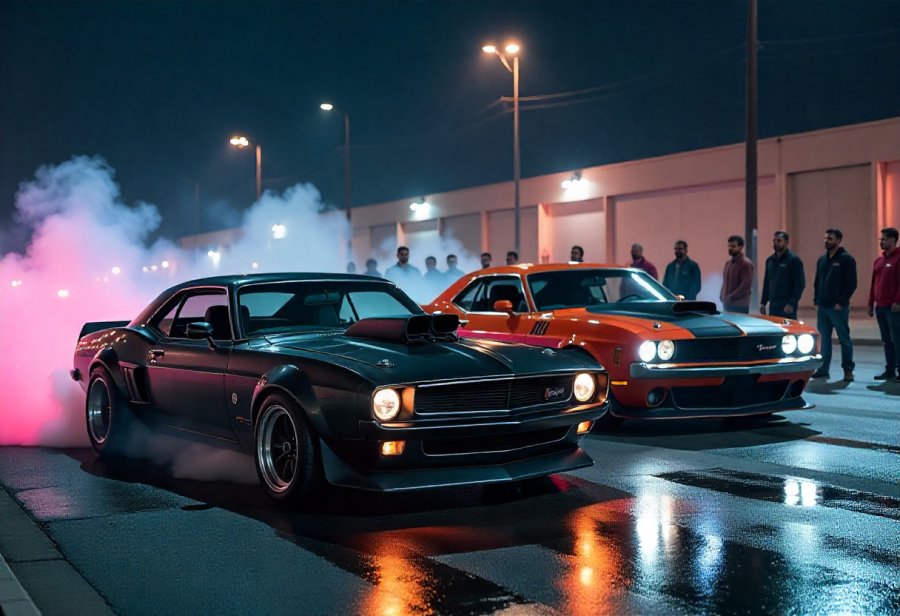
Underground street racing is more than just high-speed chases through city shadows; it’s an intense culture rooted in loyalty, trust, and brotherhood. This scene, often hidden from the law, builds deep bonds through shared risks and rituals—repairing damaged cars, defending reputations, and supporting each other amid danger. Inspired by rebellious media like Fast and Furious, racers develop unspoken codes that reinforce their unity amidst police crackdowns and technological evolution. As the scene modernizes with electric vehicles, online forums, and encrypted communication, its core values of resilience and loyalty remain unshaken. The culture’s influence extends beyond the streets, offering lessons in community strength, mutual support, and the importance of shared purpose. With a future shaped by innovation and adaptation, underground racing continues to forge enduring bonds—raising a compelling question: how do these high-octane bonds of brotherhood sustain a culture that thrives in the shadows?
Underground Street Racing: More Than Just Speed—A Brotherhood of Loyalty
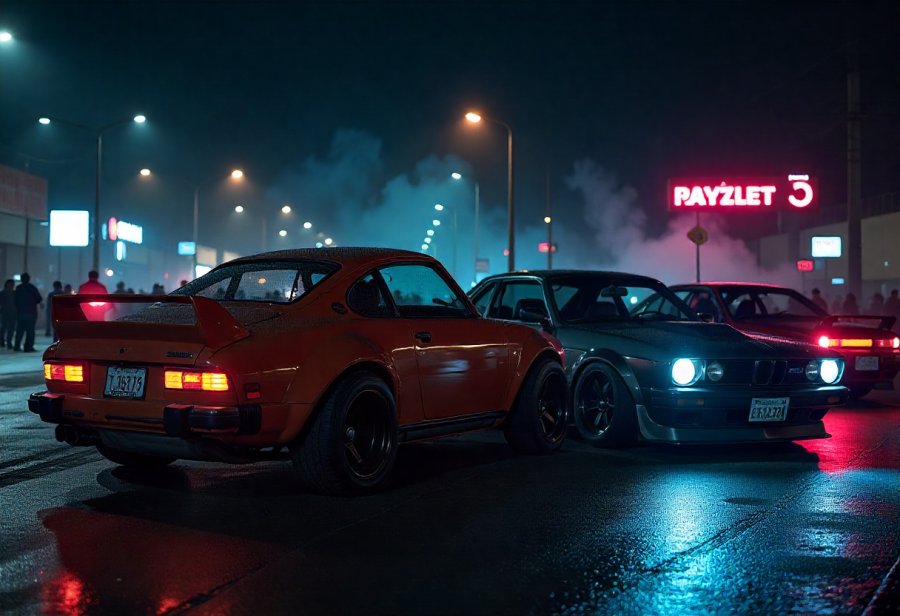
Underground street racing isn’t just about cars speeding through city streets; it’s a scene built on shared passion, trust, and loyalty. Usually taking place late at night in deserted neighborhoods, industrial zones, or empty parking lots, these races happen where law enforcement’s watch is minimal. Here, racers push their vehicles to the limit, but beneath the adrenaline lies a deeper sense of community. These crews form bonds that resemble family, united by common risks and a collective desire to excel.
This culture has roots in urban youth rebellion, where racing became a way to stand out and find belonging. Movies like the Fast and Furious franchise and music genres such as hip-hop have romanticized this rebellious spirit, turning casual enthusiasts into tight-knit groups. These communities develop their own codes—secret handshakes, shared stories, and rituals—that symbolize trust and unity. Loyalty isn’t just spoken; it’s lived through acts like helping each other repair cars after dangerous runs or standing together during police raids.
Technological advances further strengthen these bonds. Car tuning tools, online forums, and encrypted messaging apps allow members to share knowledge and plan races discreetly. This shared expertise fuels continuous learning and resilience within the scene. Despite the risks, racers remain committed to their brotherhood, often risking legal trouble to support their crew. Their loyalty extends beyond individual wins—it’s about protecting each other’s reputation and safety.
Street racing is more than a rebellious pastime; it’s a culture rooted in resilience and shared identity. The unspoken trust and support that develop in these communities often translate into everyday bonds that extend well beyond the streets. The loyalty forged here creates a fabric of kinship, turning fleeting moments of rebellion into lifelong connections. Even as law enforcement intensifies its scrutiny, the core values of brotherhood and loyalty keep this scene alive and thriving in the shadows.
The Roots of Street Racing Brotherhood: Rebellion, Support, and Cultural Identity
The roots of street racing brotherhood dig deep into urban youth culture, where shared struggles and a sense of rebellion forge powerful bonds. For many racers, these scenes emerge from neighborhoods where community ties are built through facing common challenges and a desire to stand out from the mainstream. Early on, racing took place in deserted streets or industrial zones—places where law enforcement’s oversight was minimal—and trust was essential for survival and success. Over time, spontaneous gatherings evolved into a sense of kinship, rooted in mutual support amid societal neglect and marginalization.
Media has played a significant role in shaping this culture. Films like the Fast and Furious series and hip-hop music have celebrated the rebellious spirit of street racing, embedding it into urban identity. These portrayals cast racers as resilient, proud, and defiant—traits that resonate strongly within these communities. Such narratives transform casual enthusiasts into a close-knit family, where loyalty is earned through daring acts and shared risks, creating a collective identity that extends beyond the streets.
The formation of crews and underground networks further cements this brotherhood. Racers organize secret races and events through covert channels, developing unspoken codes—handshakes, shared stories, and specific rituals—that symbolize trust and belonging. These traditions aren’t mere routines; they serve as markers of loyalty, signaling that someone is part of a community committed to mutual safety and reputation. Upholding these customs affirms their connection, strengthening the bonds that tie members together.
Technological advances continue to reinforce these ties. Car modification tools, online forums, and encrypted messaging apps enable members to exchange knowledge, plan clandestine races, and support each other without attracting law enforcement attention. This culture of shared learning and mutual protection fosters resilience, making the community more adaptable to external pressures. It’s a constant dance of innovation and discretion that keeps this brotherhood alive.
At its core, street racing brotherhood is driven by a desire for belonging and resilience. Acts of sacrifice—helping repair a teammate’s car, defending someone’s reputation, or standing by during legal troubles—are the living proof of loyalty. These moments turn individual pursuits into collective journeys, reinforcing that loyalty involves tangible support. Such bonds withstand external threats, transforming fleeting acts of rebellion into lifelong relationships rooted in trust and shared purpose.
Despite increasing crackdowns, these communities adapt and endure. They develop new ways to stay connected—through encrypted messages, secret meetups, and innovative vehicle mods—ensuring the spirit of loyalty persists. The bonds formed through shared risks and high-stakes moments are deeply ingrained, passing from generation to generation. This resilience preserves the essence of brotherhood, keeping the culture vibrant amid adversity.
Ultimately, the social and cultural roots of street racing brotherhood reveal that trust, loyalty, and mutual support are universal values. These bonds, forged in the shadows, turn fleeting acts of rebellion into lifelong relationships. They demonstrate that resilience and loyalty aren’t just about racing—they are the foundation of a community capable of withstanding external pressures and growing stronger over time.
Secrets of Loyalty: Rituals, Protection, and Sacrifice in the Racing Community
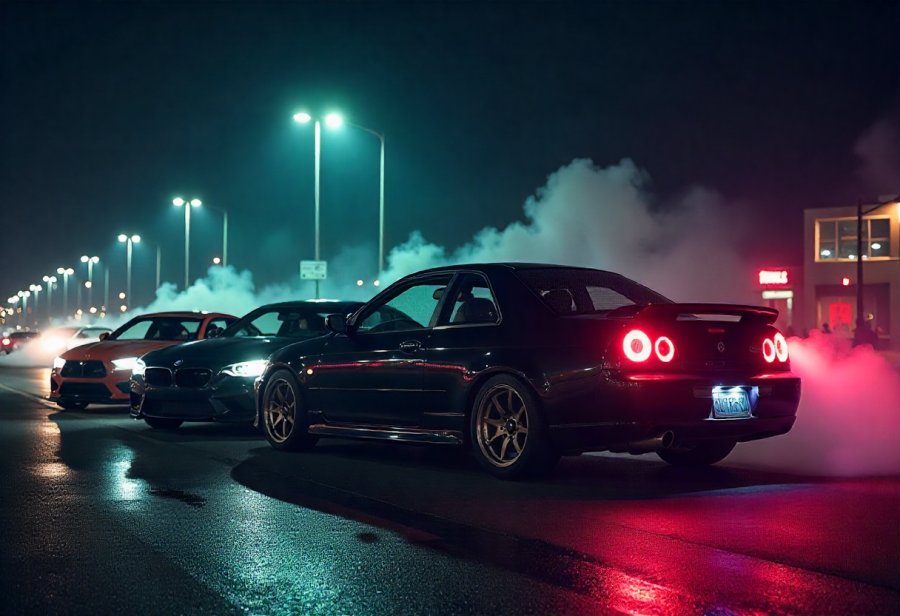
Within the underground racing scene, trust and loyalty are reinforced through shared high-stakes experiences that go beyond the race itself. Facing police crackdowns, late-night pulls, or helping a teammate repair a damaged car during a dangerous run—these moments deepen bonds in ways words cannot. They symbolize a commitment to each other’s safety and reputation, transforming casual acquaintances into a brotherhood rooted in mutual dependence and respect. When crews stand united during a raid or a risky race, it affirms that their loyalty extends far beyond individual victories, creating a sense of collective resilience.
Rituals and unspoken codes serve as powerful markers of belonging. Secret handshakes, stories of daring escapes, or specific conduct during races are more than routines—they are symbols that validate membership. Upholding these customs signals dedication and trust within the group, fostering a shared language that strengthens their collective identity. These traditions create a sense of continuity, ensuring new members understand that loyalty is demonstrated through action and adherence to the community’s unspoken standards.
Protection of each other’s reputation is central to their loyalty. Racers defend teammates’ honor, stand by them through legal troubles, and help cover fines or repairs. These acts of support aren’t superficial; they are lived expressions of loyalty that build a culture where everyone feels responsible for the group’s well-being. This mutual safeguarding cultivates trust that extends beyond the adrenaline-filled races, embedding loyalty into the fabric of their everyday interactions.
Shared knowledge and mentorship further cement bonds. Experienced racers pass down tuning tips, safety practices, and strategic insights, emphasizing that loyalty involves investing in each other’s growth. When members support one another’s ambitions and share expertise freely, they reinforce a collective effort that nurtures resilience and trust. This continuous exchange fosters a sense of belonging, where success is a shared goal rooted in mutual support.
Acts of sacrifice—covering legal costs, repairing cars, or standing guard during police raids—are tangible proof of loyalty. These sacrifices transform racing from an individual pursuit into a collective journey, where the safety and reputation of each member matter deeply. Such moments forge bonds that withstand external pressures, turning fleeting acts of rebellion into lifelong relationships built on support, loyalty, and shared purpose.
The Modern Face of Street Racing: Trends, Tech, and Cultural Impact Today
Today, underground street racing remains a lively and constantly evolving facet of urban car culture. Modern racers favor lightweight, turbocharged models like the Honda Civic and Nissan Silvia, prized for their affordability and high tunability. These cars are built for agility and quick acceleration, making them perfect for the high-energy street scenes that keep the culture alive. Meanwhile, muscle cars such as the Chevrolet Camaro and Ford Mustang continue to make their mark, especially in straight-line drag races, thanks to their raw power and iconic status. The scene now features a diverse mix of import, domestic, and even electric vehicles, reflecting its broad appeal.
Street racing techniques have expanded beyond traditional drag racing. Drifting—driving cars at controlled oversteer through tight corners—has gained popularity, especially through viral videos that showcase impressive skill and style. Sharing these moments online fuels a global fascination, inspiring newcomers and adding fresh energy to the scene. Car modifications have also grown more sophisticated, with digital tuning software and high-performance parts allowing racers to push their vehicles beyond factory limits, keeping the adrenaline high and the culture dynamic.
The presence of street racing is felt far beyond the midnight streets. Social media clips of high-speed pulls, drifting stunts, and legal evasion create a virtual community that connects enthusiasts worldwide. Local meetups in parking lots and quiet neighborhoods serve as social hubs, where members swap tips, showcase their cars, and reinforce their bonds. These gatherings are as much about camaraderie as competition, helping to sustain the scene’s cultural significance amid increasing legal pressure.
Despite its underground status, street racing has a significant cultural footprint. Films like the Fast and Furious franchise romanticize it, turning street racers into symbols of rebellion and style. Hip-hop and rap music also celebrate urban car culture, further embedding racing into city identity. This media exposure boosts admiration and curiosity, even as law enforcement ramps up surveillance and stricter penalties. The scene adapts by organizing races in more discreet locations and communicating through encrypted channels to stay hidden and connected.
Law enforcement’s growing surveillance and tougher penalties challenge racers to become more discreet. They plan events in secret locations and use encrypted messaging to communicate, demonstrating resilience and resourcefulness. This ongoing game of cat and mouse pushes the community to innovate, reinforcing their commitment to loyalty and brotherhood. Such adaptability ensures that the essence of underground racing persists despite mounting external pressures.
Technology continues to shape the scene’s future. Electric vehicles are making their way into street racing, offering new avenues for high-performance tuning with less noise and emissions. Electric drag races and street drifting are emerging as exciting new forms of competition, blending innovation with the adrenaline-fueled spirit that defines underground racing. These advances promise to keep the scene vibrant, attracting a fresh generation eager to push boundaries in eco-friendly ways.
Even as methods evolve, the core values of speed, loyalty, and community remain unwavering. The bonds formed through shared risks and high-stakes moments are deeply rooted, passing down through generations. The scene’s resilience and adaptability ensure it will stay relevant, inspiring new stories of brotherhood and resilience in the shadows of urban landscapes.
Lessons from the Streets: Applying Racing’s Values of Trust and Support to Everyday Life
Understanding the brotherhood within underground street racing offers valuable lessons that extend well beyond the world of cars and late-night races. The core values—trust, loyalty, and mutual support—are universal principles that can strengthen social bonds in everyday life. When people connect through shared experiences and unspoken codes, they build relationships rooted in genuine commitment. These bonds, forged amid high stakes and risky moments, show that loyalty is demonstrated through actions, not just words.
Support in the racing scene goes far beyond encouragement; it’s about standing by each other through thick and thin. Helping a teammate repair a damaged car after a dangerous run or defending someone’s reputation during legal troubles creates a sense of shared responsibility. These acts turn casual acquaintances into a family that relies on mutual trust. Applying this mindset outside the streets can foster stronger connections in workplaces, neighborhoods, and online communities, making them more resilient and cohesive.
Shared knowledge plays a crucial role in reinforcing loyalty. Experienced racers pass down tuning tips, safety practices, and strategies, emphasizing that loyalty involves investing in each other’s growth. When members support one another’s ambitions and share expertise freely, they create a culture of collective strength. This continuous exchange nurtures a sense of belonging, where success becomes a shared goal rooted in mutual effort and trust.
Acts of sacrifice—covering legal costs, repairing cars, or standing guard during police raids—are tangible expressions of loyalty. These sacrifices transform racing from an individual pursuit into a collective journey, where everyone’s safety and reputation matter deeply. Such moments forge bonds that withstand external pressures, turning fleeting acts of rebellion into lifelong relationships grounded in support and shared purpose.
This culture’s resilience shows in how it adapts to challenges. Even as authorities tighten restrictions, racers develop new ways to stay connected—through encrypted messages, secret meetups, and innovative vehicle mods. These strategies echo the loyalty and resourcefulness that define the scene, ensuring that the spirit of brotherhood endures despite external threats.
Studying this underground culture reveals that trust, support, and shared purpose are the foundation of strong communities. The scene demonstrates that loyalty earned through consistent actions—standing by each other during tough times and sharing knowledge—can create bonds that last a lifetime. These lessons remind us that fostering genuine relationships, built on support and shared effort, can strengthen any community beyond the streets.
The Road Ahead: Innovations, Challenges, and the Future of Underground Racing and Brotherhood
Looking ahead, the future of underground street racing and its brotherhood will be shaped by technological innovation and shifting challenges. As digital tools become more sophisticated, racers are likely to adopt encrypted messaging apps, online forums, and virtual meetups that allow them to organize and support their communities discreetly. These advancements help maintain the resilience and loyalty that define the scene, even as authorities increase surveillance and enforcement efforts.
Vehicle technology is evolving rapidly, with electric cars making their way into the underground scene. These vehicles offer new tuning possibilities, blending high performance with eco-friendly tech. Electric drag races and street drifting are emerging as fresh forms of competition, capturing the spirit of adrenaline while reducing noise and emissions. This shift promises to attract a new generation of enthusiasts eager to push boundaries in innovative, sustainable ways, ensuring the culture remains vibrant and relevant.
Despite stricter laws and tighter law enforcement, the core values of loyalty and brotherhood will endure. Racers will continue to develop secret locations, encrypted channels, and innovative vehicle mods to stay connected. Their resourcefulness and shared commitment to each other’s safety and reputation create a resilient community that adapts to external pressures. New generations will carry these traditions forward, ensuring the scene’s survival and evolution.
On a broader scale, the influence of underground racing is expanding through online platforms and global networks. These digital spaces foster a sense of international brotherhood, sharing knowledge and reinforcing bonds across borders. This interconnectedness helps the scene adapt to legal and societal changes, ensuring its relevance for years to come. As new forms of competition and virtual gatherings develop, the essence of speed, loyalty, and community will remain at its core.
The future of underground street racing is one of constant adaptation, blending the enduring spirit of rebellion with innovative technology. While the methods and vehicles may change, the unbreakable bonds of trust and support will continue to drive the culture forward. As long as roads remain and communities stay united, this underground brotherhood will thrive, leaving a lasting impact on urban identity and resilience for generations.