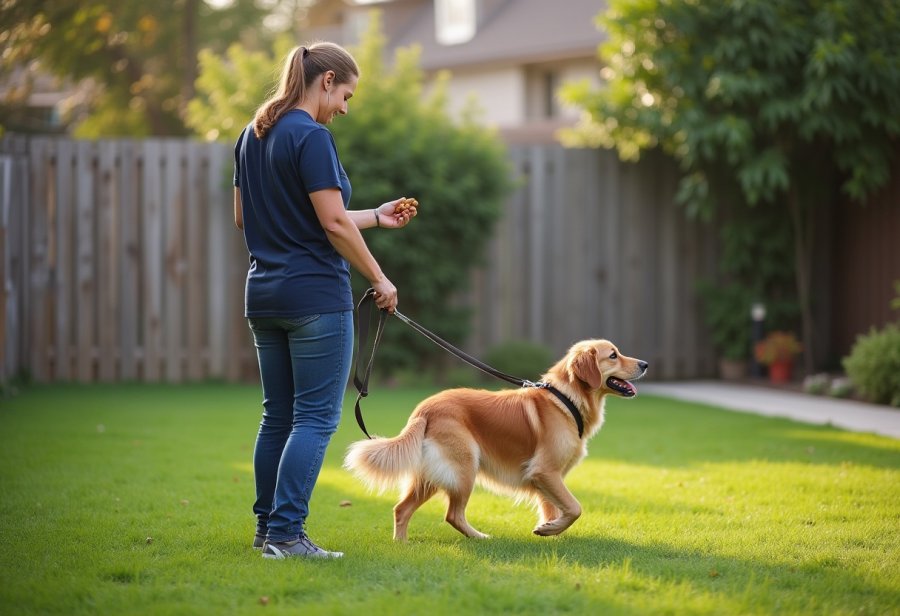
Transform Your Walks: Achieve Calm and Connection with Your Dog
Mastering the art of calm dog walking is more than just good manners—it’s a transformative process that deepens the bond between owner and pet. When your dog walks calmly beside you, it reflects trust, understanding, and emotional security. This peaceful routine turns everyday outings into shared moments of connection, fostering mutual respect and confidence. But how do you cultivate this serenity amid distractions, stress, or setbacks? The key lies in consistent, positive reinforcement, a relaxed owner demeanor, and gradual exposure to more stimulating environments. Emerging trends emphasize mindfulness, trust-based training, and technology to tailor routines to your dog’s unique temperament. Building calmness requires patience, strategic planning, and emotional restraint, yet the payoff is a more confident, well-adjusted canine and a stronger owner-pet relationship. Are you ready to turn routine walks into powerful bonding experiences that benefit both your dog’s well-being and your shared happiness?
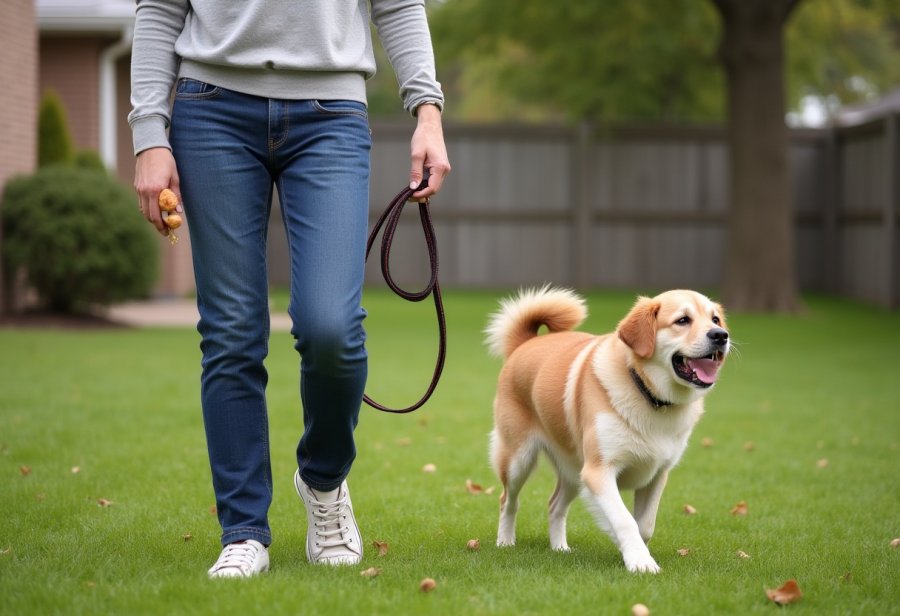
Strengthen Your Bond Through Calm Dog Walking
Mastering calm dog walking is about more than just good manners—it’s a vital way to strengthen the bond between you and your pet. When your dog walks calmly by your side, it signals trust, understanding, and a sense of security. These peaceful moments turn routine outings into opportunities for connection, helping both of you feel more in tune with each other’s needs and signals.
A calm walk isn’t just about behavior; it’s about creating a shared space of trust. When your dog stays relaxed and focused, they’re more receptive to your cues and commands. This mutual understanding makes training easier and transforms walks from stressful encounters into enjoyable experiences that build confidence and respect.
Beyond behavior, a calm walking routine enhances safety. Dogs that remain focused and relaxed are less likely to pull or lunge, reducing the risk of accidents or confrontations. This sense of control and predictability makes outings safer and more pleasant, especially in busy or unpredictable environments.
Developing calmness during walks also improves communication. When your dog responds reliably to commands like “heel” or “look at me,” they learn to read your cues and trust your leadership. This shared language of signals fosters a deeper, more meaningful connection that extends beyond just walking.
This journey isn’t solely about obedience; it’s about understanding your dog’s emotional landscape. When they learn to maintain calmness, they become more confident and secure in new or challenging situations. Over time, these peaceful walks become a foundation for a stronger, more trusting relationship built on patience, respect, and mutual calm.
Core Principles for Calm, Focused Outings
Mastering calm dog walking starts with understanding the core principles that make it effective. Your energy plays a crucial role—dogs are highly sensitive to your mood and demeanor. Walking with confidence, patience, and a relaxed attitude helps your dog mirror that calmness, creating a peaceful environment where focus and trust can develop naturally. When you exude calm, your dog is more likely to stay relaxed and attentive, making training sessions smoother and more enjoyable.
Clear communication is equally vital. Basic commands like “heel” and “loose leash” offer simple, consistent signals that guide your dog’s behavior. Using positive reinforcement—treats, praise, or gentle touches—when your dog responds calmly encourages repetition and solidifies good habits. Remember, your emotional state directly influences your dog’s ability to stay calm; staying mindful of your own energy is key.
Training methods have evolved from dominance-based corrections to approaches rooted in trust and mutual respect. Reward-based systems like clicker training foster patience, consistency, and a stronger bond. When your dog learns to walk calmly, they’re not just following commands—they’re building a foundation of trust that makes handling distractions and new environments easier.
The importance of calm energy cannot be overstated. Dogs are perceptive and respond to your emotional cues, so maintaining a steady, relaxed demeanor helps them feel secure. This emotional connection is the cornerstone of peaceful leash manners, turning walks into shared experiences of trust. When both of you approach walks with patience and confidence, it creates a language of mutual understanding that benefits your entire relationship.
These principles set the stage for successful training. They help you develop routines based on consistency and kindness, which your dog will come to trust and anticipate. Over time, this calm foundation transforms walks from stressful routines into moments of connection, making every outing a step toward a deeper, more harmonious bond.
Latest Trends in Gentle, Trust-Based Training
Recent trends in dog training are shifting toward approaches that emphasize calmness, focus, and genuine connection. Instead of relying solely on commands and corrections, many trainers now promote mindfulness-based techniques that encourage owners to stay present during walks. This mindset helps dogs relax and pay better attention, making training more effective and less stressful. Praising calm behavior rather than just obedience is becoming the norm, fostering trust and mutual respect between owner and pet.
Technology is also playing an increasingly important role. Wearable devices and apps now provide real-time feedback on a dog’s stress levels, attention span, and overall well-being. This data allows owners to tailor routines to their dog’s individual needs, making progress more predictable and manageable. Trainers often incorporate scent-based rewards or calming toys, tapping into natural canine instincts and creating shared calm experiences that strengthen the bond.
Managing distractions remains one of the biggest challenges today. Dogs are naturally curious and easily pulled off course by sights and sounds, which can lead to pulling on the leash or barking. Modern training methods focus on gradual desensitization—starting in quiet environments and slowly introducing busier settings. Consistent cues and a steady owner energy are crucial, as mixed signals can confuse the dog and slow progress. Patience and reinforcement help overcome these hurdles.
Personalized training plans are gaining popularity, recognizing that each dog’s temperament and breed traits are unique. Tailoring routines makes it easier for owners to implement effective strategies and see real results. These methods turn walks into meaningful bonding moments rooted in calmness and trust. They reflect a deeper understanding of canine emotional health, emphasizing that peaceful, focused walks are key to a confident, well-adjusted dog.
Overall, these emerging patterns demonstrate a shift toward viewing calm, focused walks not as mere obedience exercises but as vital tools for strengthening the human-animal bond. By integrating science-backed techniques, technology, and individual needs, owners are better equipped to create peaceful, confident outings. These practices benefit both pet and owner, transforming walks into shared moments of trust, tranquility, and connection.
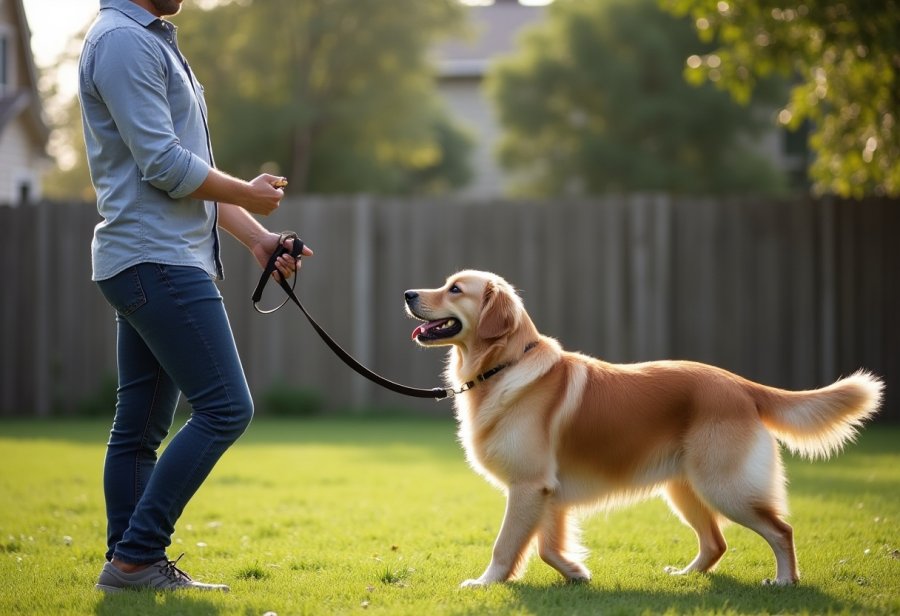
Practical Steps to Incorporate Calm Walks Daily
To bring calm walking techniques into your daily routine, start in quiet, low-distraction settings like your backyard or a calm neighborhood street. This helps your dog focus on your cues without becoming overwhelmed. Keep the leash short but relaxed, and use clear, gentle commands such as “heel” or “walk.” Immediately reward calm, attentive behavior with treats, praise, or gentle petting. These positive associations encourage your dog to stay relaxed naturally during walks.
Begin each session with a brief warm-up by standing still with your dog at your side, giving the command, and rewarding their focus. As they respond reliably, gradually extend the walk, maintaining consistent cues and routines. When your dog pulls or gets distracted, calmly stop, reset, and reinforce the command. Repetition and patience help your dog understand what’s expected and build confidence in their calmness.
Managing distractions is crucial. Start in quieter areas and slowly introduce more stimuli, like other dogs or city noises, once your dog can walk calmly in less busy environments. Always reinforce relaxed behavior, rewarding your dog whenever they remain composed despite external stimuli. Your own calm energy influences their response, so stay patient and steady, even if progress feels slow.
Practice consistently, even for short periods, to establish calm walking as a routine your dog trusts. Use treats and praise often, celebrating small wins like walking without pulling for a few extra steps. Over time, your dog will associate calmness with positive outcomes, turning peaceful walks into shared moments of connection and trust.
Tracking your progress can keep motivation high. Note how your dog responds and be ready to adjust your routine as needed. If setbacks occur, revisit basic exercises, reinforce core commands, and maintain patience. Building calmness takes time, but with steady effort, your walks will become more peaceful and enjoyable for both of you.
Investing Wisely in Training Tools and Resources
Training your dog to walk calmly at your side involves an initial investment in gear and time, but it’s a worthwhile one. Quality equipment like a well-fitting harness or collar and a sturdy leash are essential for control and comfort. Choosing durable, comfortable gear might cost a bit more upfront, but it ensures longer-lasting use and a better training experience for both of you.
Beyond the basics, professional training classes or private lessons can speed up progress and improve results. These sessions often come with a higher price tag but offer personalized guidance tailored to your dog’s temperament and your goals. Supplementing with training aids such as clickers, treats, and calming toys adds to the expenses but can significantly reinforce good behavior and make training more engaging.
There are affordable options as well. Online tutorials, community groups, or local shelters often provide low-cost workshops that deliver solid foundational skills. These resources make effective training accessible without breaking the bank, proving that you don’t need to spend a fortune to see real improvements in your dog’s behavior.
Considering the long-term benefits helps justify the costs. A well-trained, calm dog reduces the risk of accidents, behavioral issues, and stress—saving money on vet visits or additional training down the line. It’s an investment in safety, happiness, and your shared quality of life during walks.
Ongoing expenses like treats, occasional new gear, or refresher courses are part of maintaining good habits. Keeping a realistic budget allows you to plan consistent, effective training routines without financial strain. In the end, the money spent on proper training tools and resources translates into more peaceful, enjoyable walks and a stronger bond with your dog.
Creating a Step-by-Step Calm Walking Routine
Creating a plan for calm walking routines starts with establishing consistency. Begin in quiet, low-distraction settings like your backyard or a peaceful neighborhood street. Keeping the leash short but relaxed allows your dog to focus on your cues without feeling overwhelmed. Use clear, gentle commands such as “heel” or “walk,” and immediately reward your dog with treats, praise, or gentle petting when they respond calmly. Starting with short sessions helps your dog build confidence and makes the training feel manageable and positive.
As your dog begins to respond reliably, gradually extend the length of your walks. Maintain the same cues and routines, so your dog knows what to expect. If they pull or become distracted, calmly stop and reset—perhaps by changing direction or pausing briefly—and reinforce the command. Consistency in your reactions and cues helps your dog understand what’s expected, reducing confusion and building trust. Patience is key; progress may be slow at first, but steady repetition pays off.
Once your dog can walk calmly in low-stimulus environments, slowly introduce distractions. Start in less busy areas and gradually work up to busier streets or parks. Continuously reinforce calm behavior, rewarding your dog whenever they stay relaxed despite external stimuli. Your own calm, steady demeanor influences their response, so remain patient and avoid reacting emotionally to setbacks. This gradual exposure helps your dog learn to stay focused and composed in different situations.
Daily practice, even for just a few minutes, reinforces routines your dog can trust. Short, consistent sessions turn calm walking into a predictable part of your shared routine. Use treats and praise liberally, celebrating small successes like walking a few extra steps without pulling. Over time, your dog will associate calmness with positive outcomes, making peaceful walks a natural and enjoyable experience.
Tracking progress keeps motivation high and allows you to adjust routines as needed. Note how your dog responds and be flexible to modify your approach. If setbacks occur, revisit foundational exercises and reinforce core commands. Patience and persistence are essential—building calmness takes time, but with steady effort, your walks will become more peaceful, strengthening your bond and making each outing a shared success.
Managing Setbacks and Staying Calm Under Pressure
Working through setbacks in calm dog walking requires a calm, proactive approach. Common issues like sudden distractions or increased pulling happen because dogs are naturally curious and easily diverted by sights, sounds, or smells. When your dog gets distracted, they might pull on the leash or bark, undoing your progress. Prevent this by starting training in quiet environments and gradually introducing more stimuli as your dog improves. Consistent cues and your own relaxed energy reinforce good behavior, helping your dog stay focused.
Owner reactions play a crucial role. Reacting with frustration or impatience only heightens your dog’s tension, making it harder for them to remain calm. Instead, respond calmly and steadily, maintaining a relaxed demeanor. If your dog pulls or gets distracted, calmly stop, change direction, or pause briefly to help them reset. This teaches them that calmness and patience are expected, even amid distractions.
Setbacks are normal and often temporary. When progress stalls, revisit basic exercises like reinforcing simple cues and rewarding calm behavior. Celebrating small wins—such as walking a few extra steps without pulling—keeps motivation high. Sometimes, stepping back to less busy settings and re-establishing routines restores focus and confidence.
Preparation is key. Have a plan for how to respond when your dog becomes overwhelmed. Shorten walks, increase distance from distractions, or take a break to let your dog reset. Avoid harsh corrections; instead, focus on gentle, consistent guidance that builds trust. External support, like advice from trainers or online communities, can provide fresh strategies when setbacks feel frustrating.
Remember, setbacks aren’t failures but opportunities to refine your approach. Patience and steady effort will help your dog learn to handle distractions more effectively. Over time, these challenges become part of a stronger, more confident bond. With calm persistence, you’ll create a resilient routine that leads to peaceful, enjoyable walks shared with your dog.