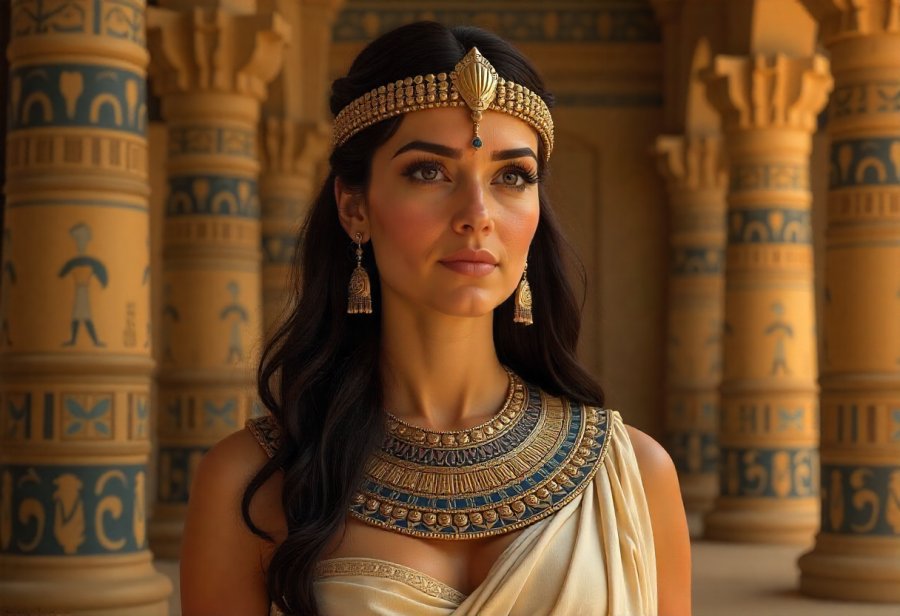
Cleopatra’s true legacy as a brilliant strategist and diplomat
Often remembered for her beauty and romantic liaisons, Cleopatra VII’s true legacy lies in her extraordinary intellect, strategic diplomacy, and cultural influence. Could her real power have been rooted in her mastery of languages, politics, and scholarship rather than superficial glamour? This portrayal reveals Cleopatra as a vibrant scholar-queen who prioritized education, alliance-building, and cultural patronage to safeguard Egypt’s independence amid the rising dominance of Rome. Fluent in Egyptian, Greek, and Latin, she negotiated directly across cultural boundaries, transforming her linguistic skills into diplomatic gold. Her alliances with Julius Caesar and Mark Antony were not mere romantic pursuits but calculated moves to stabilize her reign and protect her kingdom’s sovereignty. Her support for Alexandria’s intellectual community, combined with her strategic use of symbolism and influence, exemplifies a ruler whose strength was rooted in resilience, wisdom, and adaptability. Could her true legacy be the power of her mind—an enduring testament to leadership through knowledge?
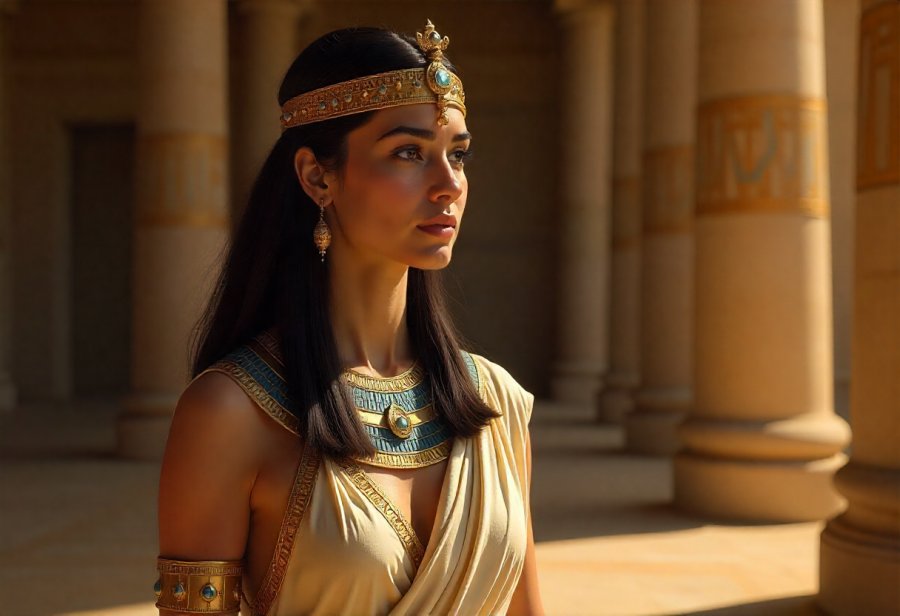
Unveiling Cleopatra’s True Power Beyond Beauty
Cleopatra VII is often remembered for her beauty and romantic liaisons, but focusing only on her looks misses the deeper story of her leadership. She was more than a seductive figure; she was a sharp-minded ruler who understood that true power came from intelligence, strategy, and cultural influence. Her ability to speak multiple languages, support Alexandria’s scholarly community, and master diplomacy made her a formidable force in a chaotic and competitive world.
Behind the glamour was a woman who prioritized education and wisdom. Cleopatra’s reign was rooted in the understanding that leadership depended on more than personal charm—it required a strategic use of knowledge and alliances. Her relationships with Julius Caesar and Mark Antony weren’t just about romance; they were carefully calculated moves to protect Egypt’s independence and extend her influence. Her political acumen helped her turn threats into opportunities, demonstrating resilience and foresight.
Her education was extensive, blending Egyptian traditions with Hellenistic sciences, philosophy, and languages. Fluent in Egyptian, Greek, and Latin, she could negotiate directly with different cultures, avoiding misunderstandings and building trust. This linguistic fluency was a powerful diplomatic tool, giving her an edge in the complex political landscape of her time. Cleopatra’s support for arts and sciences further reinforced her image as a ruler who valued knowledge as a source of strength.
Cultural influence played a key role in Cleopatra’s leadership. She patronized Alexandria’s library and scholarly circles, knowing that fostering intellectual growth would elevate Egypt’s status and her legitimacy. Her focus on learning and arts was a deliberate effort to project stability and wisdom, not just personal allure. This approach helped her secure loyalty at home and respect abroad, showing that her true power lay in her ability to inspire and sustain a vibrant cultural environment.
Cleopatra’s leadership style combined influence, symbolism, and intelligence. She knew when to show strength and when to make concessions, often using cultural diplomacy to reinforce her authority. Her marriages and alliances were strategic, aimed at protecting Egypt and expanding her sphere of influence. Her ability to read her environment and adapt her tactics made her a master strategist in a turbulent world.
In the end, Cleopatra’s legacy isn’t just about her legendary beauty or romantic escapades. It’s about her mind—her intellect, her strategic vision, and her resilience. She understood that lasting leadership depends on wisdom and adaptability, qualities that allowed her to leave a mark far beyond her time. Recognizing her as a scholar-queen and diplomat helps us see her as a powerful figure rooted in knowledge, not just allure.
Egypt’s Turbulent Landscape: Politics, Culture, and Alliances
During Cleopatra’s reign, Egypt was navigating a complex landscape shaped by its deep-rooted traditions and the sweeping influence of Hellenistic culture. Following Alexander the Great’s conquest, Egypt had transitioned from its ancient Pharaonic legacy to a society heavily influenced by Greek rule. The Macedonian Ptolemaic dynasty, to which Cleopatra belonged, maintained Greek customs, language, and political structures, even as Egyptian traditions persisted in daily life. This blending of cultures created a vibrant, cosmopolitan environment but also sparked internal rivalries and questions of legitimacy that Cleopatra had to carefully manage.
Politically, Egypt faced persistent instability. The Ptolemies often grappled with palace intrigues, succession disputes, and factional factions vying for power. These internal conflicts threatened the stability of the kingdom, demanding Cleopatra’s sharp political instincts to maintain her grip on the throne. At the same time, external threats intensified as Rome’s influence expanded across the Mediterranean. The growing presence of Rome was a double-edged sword—offering opportunities for alliance but also posing the risk of invasion or domination.
Alexandria, Egypt’s bustling capital, stood as a cultural and intellectual beacon. Its renowned library and scholarly community made it a hub for innovation and learning. The city’s diverse population, including Greeks, Egyptians, and others, fostered a unique environment where ideas flourished and cross-cultural exchange thrived. Cleopatra recognized that her power extended beyond political maneuvering; supporting Alexandria’s intellectual institutions was a strategic move to boost Egypt’s prestige and her own legitimacy on the global stage.
From a young age, Cleopatra was immersed in this multicultural setting. Her education was meticulous, encompassing philosophy, sciences, languages, and statecraft. Fluent in Egyptian, Greek, and Latin, she could communicate directly across cultural lines, giving her a diplomatic edge. Her linguistic skills were more than practical—they allowed her to build trust and forge alliances by speaking the language and understanding the nuances of each culture.
Cleopatra’s ability to forge alliances was central to her survival. Her marriages and political partnerships with Julius Caesar and Mark Antony weren’t merely personal choices—they were calculated strategies to secure Egypt’s independence amid Rome’s rising power. These alliances helped her create a buffer against internal threats and external conquest, showcasing her talent for reading political currents and acting at the right moment.
Throughout her reign, Cleopatra demonstrated resilience and adaptability. She used cultural diplomacy, patronized arts and sciences, and understood the importance of symbolism in projecting strength. Her leadership was rooted in a keen awareness of her environment, turning challenges into opportunities. This strategic mindset allowed her to maintain her kingdom’s independence longer than many expected, leaving a legacy rooted in cultural sophistication and political acumen.
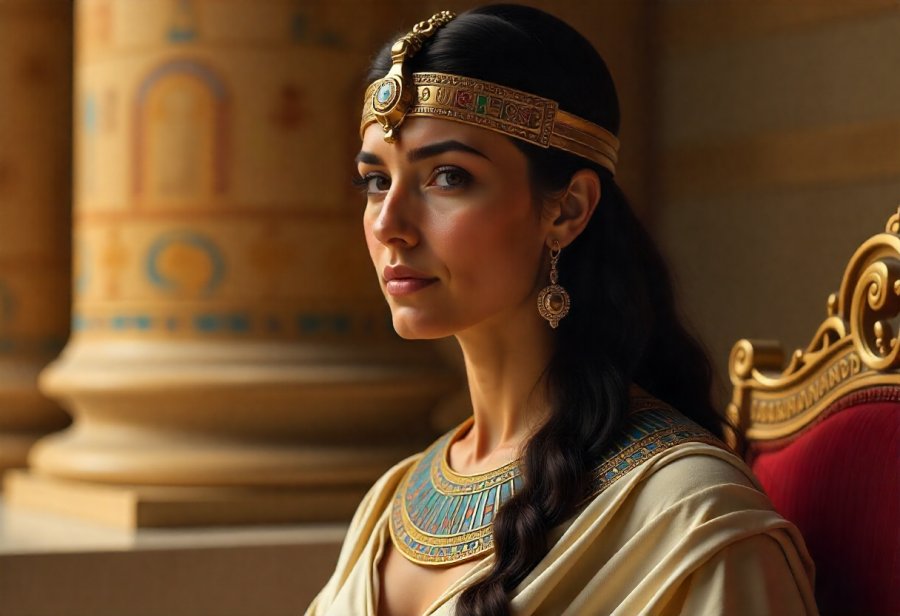
Mastermind of Diplomacy: Cleopatra’s Strategic Brilliance
Cleopatra’s mastery of diplomacy and strategic alliances was central to her ability to sustain power in a turbulent world. She understood that leadership required more than authority; it demanded skillful negotiation, cultural sensitivity, and impeccable timing. Her relationships with Julius Caesar and Mark Antony weren’t just personal or romantic—they were carefully calculated moves designed to serve Egypt’s broader political goals, ensuring her kingdom’s survival amidst rising Roman dominance.
Her diplomatic skills extended beyond marriage alliances. Cleopatra was adept at reading her opponents and adjusting her tactics accordingly. She used symbolism, cultural patronage, and intelligence to project strength, often supporting Alexandria’s famed library and scholarly community as part of her strategy to position Egypt as a hub of knowledge and innovation. This elevated Egypt’s prestige and reinforced her legitimacy, both at home and across the Mediterranean.
Navigating internal rivalries was another area where Cleopatra demonstrated exceptional skill. She was acutely aware of palace intrigues and factional disputes that threatened her throne. Through carefully planned marriages and negotiations, she neutralized threats and consolidated her authority. Her ability to manipulate circumstances rather than be manipulated by them showcased her strategic instinct—an essential trait for survival in a landscape filled with shifting loyalties and external pressures.
Her fluency in Egyptian, Greek, and Latin played a pivotal role in her diplomatic arsenal. Speaking directly to diverse audiences allowed her to communicate her intentions clearly, build trust, and negotiate without intermediaries. This linguistic mastery gave her a significant edge, enabling her to craft messages that resonated across cultural divides and strengthen her relationships with allies and rivals alike.
Throughout her reign, Cleopatra’s influence stemmed from her ability to blend power with symbolism. She knew when to demonstrate strength and when to make concessions, often using cultural diplomacy and intellectual patronage to reinforce her authority. Every move—whether through strategic marriages, public displays of learning, or support for the arts—was aimed at projecting stability and confidence, ensuring her leadership was rooted in wisdom and adaptability.
Cleopatra’s leadership exemplifies a strategic mind that combined influence, cultural savvy, and resilience. Her ability to read her environment, make timely decisions, and foster loyalty through knowledge and symbolism helped her navigate a complex political landscape. Her legacy as a scholar-queen and master strategist endures as a testament to the power of intellect and adaptability in shaping history.
Rethinking Cleopatra: Leadership Rooted in Wisdom and Influence
Cleopatra’s reputation has long been shaped by stories of her beauty and romantic liaisons, but these images often overshadow her true strength as a leader. She was far more than a seductive figure; she was a highly intelligent strategist who understood that influence stems from more than personal charm. Her mastery of diplomacy, multiple languages, and cultural knowledge allowed her to forge alliances and navigate the complex political landscape with remarkable finesse.
What made Cleopatra truly formidable was her focus on long-term stability rather than fleeting gains. She used her intelligence to outmaneuver rivals, create mutually beneficial alliances, and project strength through symbolic acts. Her relationships with Julius Caesar and Mark Antony were carefully calculated moves—more than personal or romantic—they were strategic steps to secure her throne and Egypt’s sovereignty amid a rising tide of Roman power.
Supporting her political prowess was an extensive education that blended Egyptian traditions with Hellenistic sciences, philosophy, and languages. Fluent in Egyptian, Greek, and Latin, Cleopatra could communicate directly with diverse audiences, avoiding misunderstandings and building trust. Her linguistic skills weren’t just practical; they were vital tools that allowed her to craft messages that resonated across cultures and strengthen her diplomatic ties.
Cultural influence played a crucial role in her leadership. Cleopatra patronized Alexandria’s renowned library and scholarly communities, understanding that fostering intellectual growth would elevate Egypt’s prestige and her legitimacy. Her support for arts and sciences was a deliberate strategy to demonstrate wisdom and stability, reinforcing her image as a ruler who valued knowledge as a source of power.
Her leadership style skillfully blended influence, symbolism, and strategic thinking. She knew when to demonstrate strength and when to make concessions, often using cultural diplomacy and intellectual patronage to reinforce her authority. Every decision, from strategic marriages to public displays of learning, was aimed at projecting stability and confidence, ensuring her legacy as a ruler rooted in wisdom and adaptability.
Cleopatra’s influence extended beyond personal relationships or physical appearance. Her true power lay in her wit, resilience, and ability to think strategically. Recognizing her as a scholar-queen and master diplomat reveals a leader who understood that lasting impact depends on knowledge, cultural authority, and the courage to adapt—traits that helped her leave a mark on history that endures today.
Her Enduring Legacy: A Queen of Mind and Resilience
Cleopatra’s legacy extends far beyond the romantic tales and iconic images that have long overshadowed her true influence. Today, she is increasingly celebrated not just as a symbol of beauty, but as a formidable leader whose strength lay in her sharp mind, diplomatic skill, and strategic vision. Her ability to navigate a turbulent landscape of shifting alliances, internal rivalries, and external threats showcases a ruler whose power was rooted in intelligence and resilience—traits that allowed her to preserve Egypt’s independence longer than many expected.
Her mastery of diplomacy and alliance-building played a central role in shaping her lasting reputation. Cleopatra understood that enduring leadership depended on more than personal charm; it required a keen sense of timing, cultural awareness, and strategic thinking. Her relationships with Julius Caesar and Mark Antony weren’t just personal or romantic—they were deliberate, calculated moves designed to secure her throne and protect her kingdom amid the rising tide of Roman dominance. These alliances exemplify her ability to turn political threats into opportunities for stability and strength.
Supporting her influence was her extensive education and multilingual fluency. Fluent in Egyptian, Greek, and Latin, Cleopatra communicated directly across cultures, building trust and credibility that transcended language barriers. This skill enabled her to craft messages that resonated with diverse audiences, strengthening her diplomatic ties and reinforcing her authority. Her patronage of Alexandria’s scholarly institutions further underscored her belief that knowledge and learning were vital sources of power—tools she wielded effectively to elevate Egypt’s status on the world stage.
Her leadership also thrived on cultural and intellectual patronage. By supporting arts, sciences, and the library of Alexandria, Cleopatra fostered an environment of innovation and scholarship that solidified her internal authority and gained external respect. Her ability to blend influence with symbolism—knowing when to project strength and when to exercise diplomacy—ensured her longevity as a ruler. She understood that true power was as much about perception as it was about raw authority, and she mastered both with finesse.
Ultimately, Cleopatra’s story challenges us to see leadership beyond superficial attributes. Her legacy underscores that resilience, wisdom, and cultural savvy form a lasting foundation for influence. Her ability to think strategically, adapt to changing circumstances, and prioritize the long-term stability of her kingdom make her a model of effective leadership, especially for women in history. Cleopatra’s impact reminds us that the most enduring power comes from the mind—an insight that continues to inspire even today.