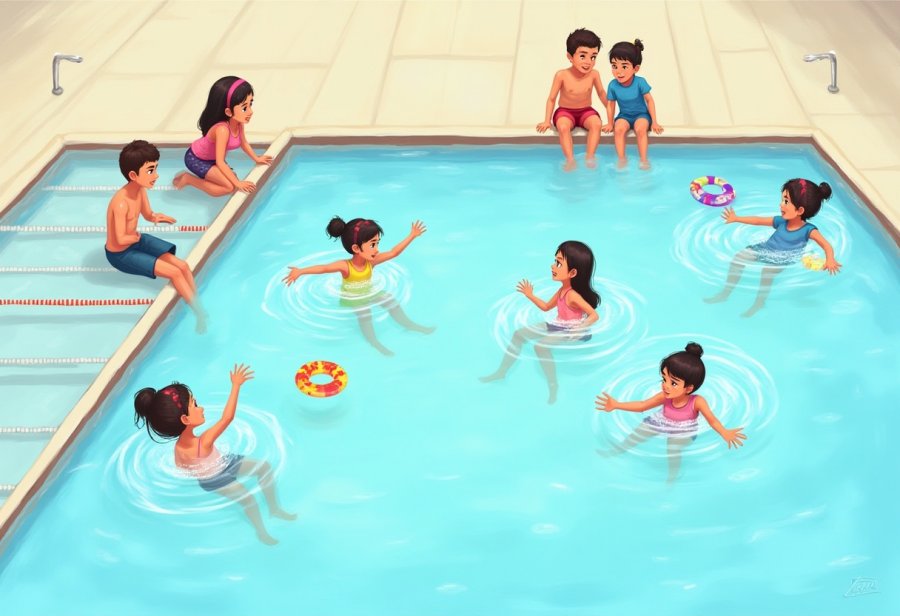
Discover the Empowering Journey to Water Confidence at Any Age
What if the greatest obstacle to learning to swim is simply taking that first courageous step? This inspiring exploration reveals that water fear isn’t reserved for children or the naturally gifted but is a common barrier faced at any age. Through a blend of traditional and modern teaching insights, the journey from anxiety to confidence is shown to be accessible, emphasizing patience, personalized pacing, and emotional comfort. From supportive environments to small, consistent victories, each step transforms water from a source of fear into a space of freedom and joy. The narrative challenges outdated notions, celebrating stories of adults conquering their fears later in life, and highlights how innovative methods and online communities broaden access to water confidence. Ultimately, this is a call to embrace progress at your own pace—because with determination and support, anyone can turn water into a lifelong ally, unlocking new horizons of safety, recreation, and empowerment.
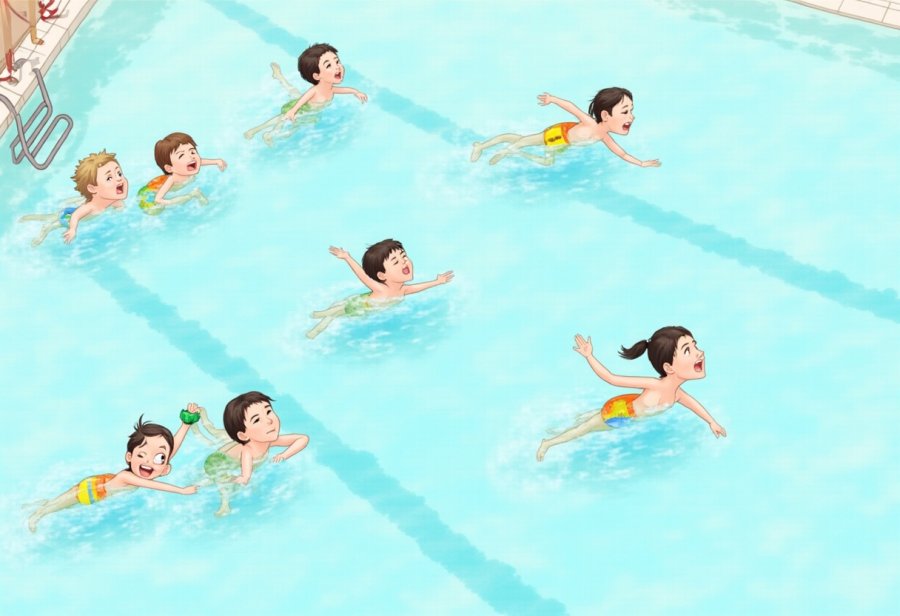
Overcome Water Fears at Any Age and Embrace a New World of Confidence
Many people carry a quiet fear of water, whether it’s a childhood hesitation or an adult anxiety that’s lingered over the years. For some, the idea of swimming feels like an insurmountable challenge, a barrier that keeps them from enjoying water safely and confidently. But here’s the good news: it’s never too late to learn, and taking that first brave step can open up a whole new world of experiences. No matter your age or past struggles, the journey toward water confidence is accessible and rewarding.
Water can be both relaxing and fun, but for many, it also triggers feelings of fear or hesitation. Perhaps a childhood accident or a simple lack of familiarity has left you feeling unsure about getting into a pool, lake, or ocean. These feelings are common, and they don’t have to define your relationship with water forever. Learning to swim isn’t just for kids—it’s a skill that can be acquired at any age, transforming anxiety into empowerment and safety.
You might wonder why some people find water so intimidating while others take to it easily. Often, fears stem from early experiences or not having the chance to learn water skills in a supportive environment. The good news is that overcoming these fears is entirely possible, especially with the right approach. Building water confidence involves small steps, patience, and trusting your own progress, not about perfection or rushing.
Starting this journey can feel daunting, but it’s also incredibly empowering. Think of it as reclaiming control—learning to move comfortably in water can boost your sense of safety and independence. Whether your goal is to enjoy a day at the beach, participate in water sports, or simply feel calm in the pool, every small step forward counts. The process is about progress, not perfection, and each new skill you acquire is a victory.
Remember, you’re not alone in this. Many adults have faced similar fears and have successfully learned to swim later in life. Their stories show that it’s possible to turn water anxiety into confidence, regardless of your starting point. With patience, support, and a willingness to try, you can redefine your relationship with water and unlock a new level of freedom and enjoyment.
The first step is often the hardest—acknowledging that you want to change and being open to learning. Finding the right environment, whether a beginner class or private lessons, can make all the difference. Creating a safe, encouraging space allows you to focus on small wins and build trust in your own abilities one step at a time. This initial move sets the foundation for a lifelong journey of water confidence.
As you prepare to dive in, keep in mind that every swimmer’s path is unique. There’s no need to rush or compare yourself to others. Instead, focus on your own progress and celebrate each milestone, no matter how small. The water is waiting to welcome you—ready to transform your fears into confidence and open up a world of new possibilities.
The Evolution of Water Confidence: From Survival Skills to Empowerment
The journey to water confidence is rooted in a blend of traditional teaching methods and modern insights that have evolved over time. Early swimming lessons focused primarily on safety, often introduced in community pools or school settings. These initial approaches aimed to gradually familiarize learners with water, helping them feel more comfortable through gentle exposure and basic skills. Over time, instructors recognized that emotional comfort was just as important as physical ability, leading to techniques that foster trust and calmness in the water.
Originally, survival skills such as floating, breathing, and moving safely in water were the core of swimming instruction. These skills were primarily taught for safety reasons, emphasizing the importance of staying afloat and managing panic. As understanding grew, teaching methods shifted to include confidence-building exercises, like holding onto a float or practicing controlled breathing, which helped learners feel more at ease. This shift acknowledged that feeling relaxed in water was key to progressing beyond basic survival.
Modern programs build on this foundation by emphasizing step-by-step skill development. They start with water familiarization, such as getting comfortable in shallow areas, splashing, or submerging briefly. Once comfort is established, focus shifts to breathing exercises, which help manage anxiety and build a sense of control. Floating and balance exercises follow, teaching the body to stay buoyant and trust its instincts. Only after mastering these basics do learners move on to simple strokes, creating a natural progression that boosts confidence gradually.
Advancements in science and safety research have also played a role in shaping how we teach water confidence. Understanding human movement in water and the best ways to support learners has led to more effective and accessible methods. Floatation devices, for instance, are no longer just safety tools but also aids to help learners experiment and develop trust in their bodies. These innovations have made learning more inclusive, allowing people of all ages and backgrounds to progress without feeling overwhelmed.
The evolution of swim instruction reflects a shift toward personalized, empathetic approaches. Early methods often pushed learners into deeper water too quickly, which could trigger fear. Today, instructors prioritize patience and pacing, respecting each individual’s comfort level. Recognizing that everyone’s journey is different has helped many overcome water anxiety, transforming it into a sense of achievement and trust. This personalized approach makes water learning a positive experience rather than a source of stress.
Milestones in the history of water confidence training, such as the introduction of structured lessons in the early 20th century, made water skills more widely available. Techniques like guided floating and breathing exercises gained popularity, helping learners develop trust in their bodies. In recent years, instructional videos, supportive equipment, and online communities have expanded access, offering encouragement outside traditional settings. These developments continue to make water confidence an achievable goal for more people worldwide.
Today’s outlook on learning to swim is more inclusive and hopeful than ever. The focus is on supportive, gentle progress tailored to each person’s needs. This perspective dispels the myth that water fears are insurmountable, emphasizing that patience and support can turn apprehension into trust. Social media success stories and real-life experiences show that starting at any age is possible and rewarding. This shift encourages more adults to take that first step, regardless of their past experiences.
Ultimately, the evolution of water confidence teaching underscores the importance of patience, empathy, and individual pacing. It’s about creating a safe space where learners feel supported to move at their own speed. With this mindset, overcoming water fears becomes less about mastering perfect techniques and more about trusting oneself. This history-rich, ever-evolving approach continues to open doors for anyone willing to start their water confidence journey, transforming anxiety into lifelong enjoyment.
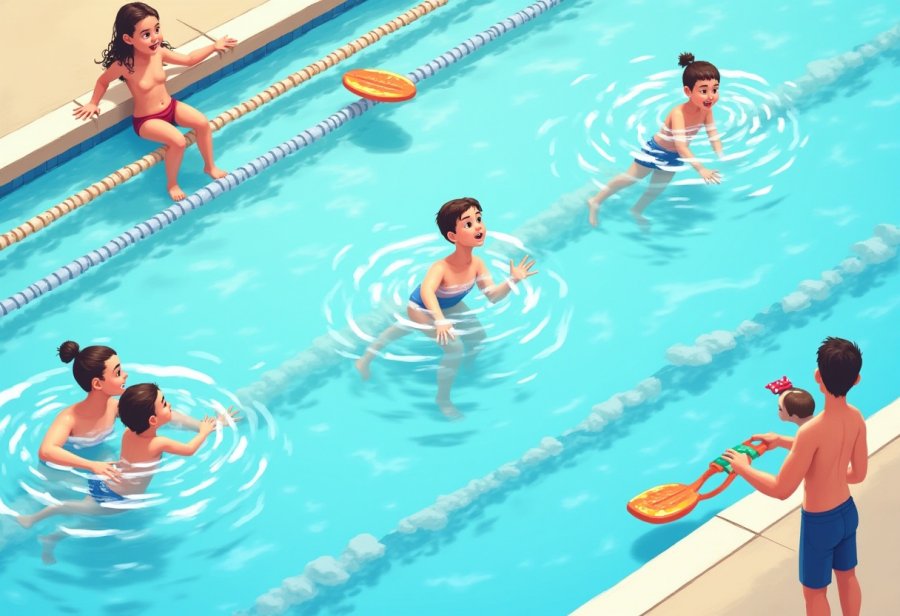
Today’s Perspective: Embracing Inclusivity and Patience in Water Learning
Today’s outlook on learning to swim and overcoming water fears is more hopeful and inclusive than ever before. Supportive, gentle approaches now dominate, emphasizing emotional comfort alongside skill development. This shift challenges the outdated notion that water anxiety is an insurmountable barrier, instead showing that with patience and encouragement, trust in the water can be built at any age. Stories of adults overcoming their fears and swimming confidently circulate widely, fueled by social media and online sharing, making the journey feel accessible to everyone.
The idea that age limits or past experiences lock people out of water confidence is fading. Swimming is now widely recognized as a lifelong skill that offers relaxation, exercise, and social connection well beyond childhood. This broader perspective invites more adults to take that first step, knowing that progress depends on patience and personalized pacing. The focus is on small victories, and the process itself becomes rewarding rather than intimidating.
Debates about the best methods to help adults conquer water fears continue, but consensus leans toward tailoring approaches to individual comfort levels. Some trainers advocate for slow, supportive progress that emphasizes emotional reassurance before technical skills. Others believe more immersive methods can accelerate results. Most experts agree that success hinges on respecting each person’s pace—pushing too quickly or relying solely on floatation devices can hinder genuine confidence. Personalization remains key.
Media has played a significant role in shaping current perceptions. Inspirational stories of adults learning to swim later in life highlight that it’s never too late. These narratives help break down stereotypes that swimming is only for children or the athletically gifted, underscoring that anyone can learn and benefit. They foster a mindset that views water as a space of possibility, not fear, encouraging new learners to see their journey as achievable.
Cultural and regional differences influence attitudes toward water confidence. In Western countries, swimming is often regarded as an essential life skill, with widespread access to lessons and safety programs. In other regions, water skills may be tied to tradition, community, or survival, shaping different priorities and perspectives. Recognizing these diverse viewpoints helps us understand that the journey toward water confidence is truly global and adaptable.
The emphasis today is on emotional support and patience. Creating a safe, non-judgmental environment helps learners experiment and trust their bodies without fear. This compassionate approach has made water learning more inclusive, allowing people from varied backgrounds to develop lifelong skills without feeling overwhelmed. Making water a space for growth and enjoyment is now a shared goal.
Resources like instructional videos, online communities, and supportive equipment further broaden access. They complement formal lessons, providing encouragement and practical tips anytime, anywhere. This increased availability helps break down barriers, making water confidence an attainable goal for more people. The focus remains on progress, not perfection, with each small step contributing to a lifelong relationship with water.
Practical Steps to Build Water Confidence and Turn Fear into Joy
Starting your water confidence journey is all about finding a supportive environment where you feel safe and relaxed. Whether it’s a local pool with beginner classes or private lessons tailored for adults, choosing the right setting makes a difference. These spaces provide a calm atmosphere where you can focus on small, manageable steps that gradually build trust in your body and reduce anxiety.
Using simple tools like kickboards or floatation devices can boost your confidence significantly. They offer reassurance while allowing you to practice specific skills like kicking or floating without feeling exposed. These aids aren’t just for beginners—they help you feel supported as you explore moving independently in water, making progress feel natural and achievable.
Consistency outweighs speed in this process. Dedicate a few minutes weekly or daily to practicing basic actions such as floating on your back or controlled breathing. Celebrating small victories, like staying calm in shallow water or briefly submerging your face, reinforces your progress and makes the journey rewarding. Remember, these moments are steps toward transforming water from a source of fear into a space of confidence.
Start with low-pressure goals—perhaps stepping into the water or splashing around—before moving on to more challenging tasks. Patience is key; confidence develops gradually through repeated, gentle practice. Avoid trying to master everything at once, as rushing can lead to frustration. Focus on one small skill at a time, trusting that each step forward strengthens your trust and comfort.
Support tools like waterproof journals or checklists can help track your progress and set realistic goals. Joining online communities or local groups creates a sense of shared purpose, providing encouragement along the way. Knowing others are on a similar journey can make setbacks feel less daunting and motivate you to keep going.
Listening to your own comfort levels is crucial. If something feels too fast or overwhelming, pause and reassess. Learning to swim is a personal process—everyone’s timeline is different. Small, consistent efforts—whether floating, breathing exercises, or simply getting used to water—add up over time. These actions build a foundation of trust that transforms water from a place of fear into one of joy and confidence.
Your Path to Water Confidence: Celebrate Small Wins and Keep Moving Forward
Learning to swim at any age is not just about acquiring a new skill — it’s about reclaiming confidence and finding safety in water. Many people hold onto the idea that they’re too old or that their fears are insurmountable, but those beliefs can stand in the way of progress. Each small step you take toward water familiarity and trust adds up, and with patience and persistence, you can transform your relationship with water into one of comfort and joy.
Progress doesn’t happen overnight. It’s built gradually through consistent effort and gentle practice. Celebrating even the tiniest victories—whether it’s staying calm in shallow water or taking a brief breath underwater—reinforces your belief that water fears are challenges you can overcome. These milestones shape your mindset, turning water from a source of anxiety into a space of growth and confidence.
Remember, everyone’s journey is different. Comparing yourself to others can slow your progress or cause frustration. Focus instead on your own milestones, no matter how small. Each step forward, like floating longer or swimming a few strokes, is a sign of your resilience. Trust that with time and patience, your water confidence will strengthen, and what once seemed impossible will become second nature.
Support plays a vital role in this process. Whether it’s a good instructor, supportive friends, or online communities, having encouragement makes setbacks more manageable and motivation easier to maintain. Recognize that setbacks are part of learning—each one offers an opportunity to grow stronger and more resilient. With the right environment and mindset, you’ll find that water becomes less intimidating and more inviting.
The key is to stay committed to your goals. Set realistic, achievable targets that suit your comfort level. Maybe your goal is simply to get your face wet or float confidently for a few seconds. Each small goal creates a sense of mastery and builds momentum. Over time, these small successes will transform your fears into a lasting sense of confidence and freedom.
The water is waiting, ready to welcome you into its calming, empowering space. With patience, persistence, and a positive mindset, you can turn your water fears into lifelong confidence. Every effort you make is a step toward enjoying water safely and fully—opening up a world of possibilities for relaxation, recreation, and personal growth. Your journey toward water confidence is uniquely yours, and it’s never too late to start.