Embark on Your First Camping Adventure with Confidence and Joy
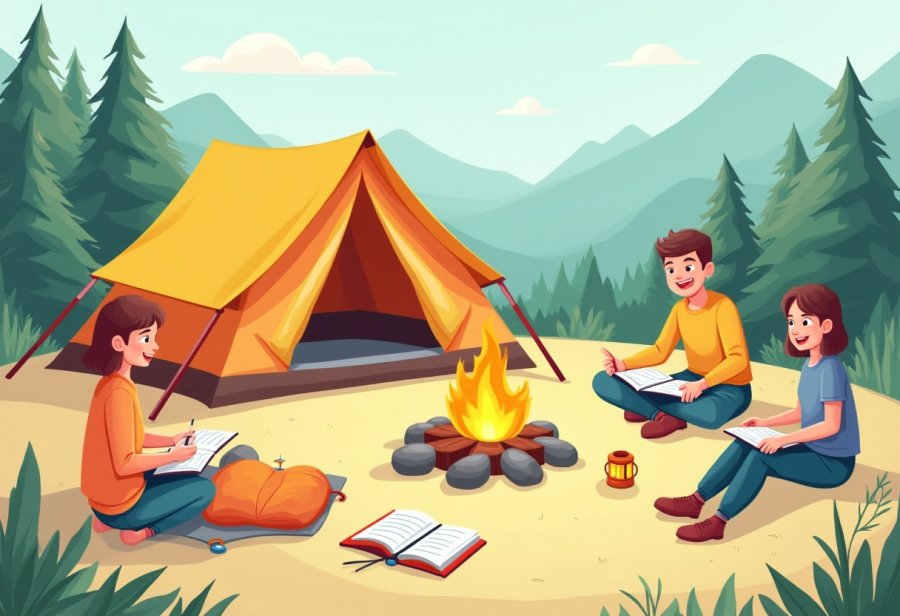
Embarking on your first camping adventure may seem intimidating, but with the right mindset and preparation, it transforms into a rewarding journey into nature’s embrace. Imagine turning uncertainty into curiosity—each challenge, from setting up a tent to navigating outdoor safety, becomes a lesson in resilience and discovery. This guide highlights how embracing a flexible attitude, organizing gear in advance, and understanding basic camping terms can boost confidence and ease worries. Rather than striving for perfection, learning to adapt and enjoy simple outdoor pleasures shifts the experience from stressful to fun. Each trip builds skills, fosters a deeper connection with nature, and creates lasting memories with loved ones. Isn’t it time to see every obstacle as an opportunity to grow? With patience, curiosity, and a sense of adventure, your outdoor story is just beginning—one that promises countless moments of joy, discovery, and confidence in the wild.
Begin Your Outdoor Adventure: Introduction & Orientation
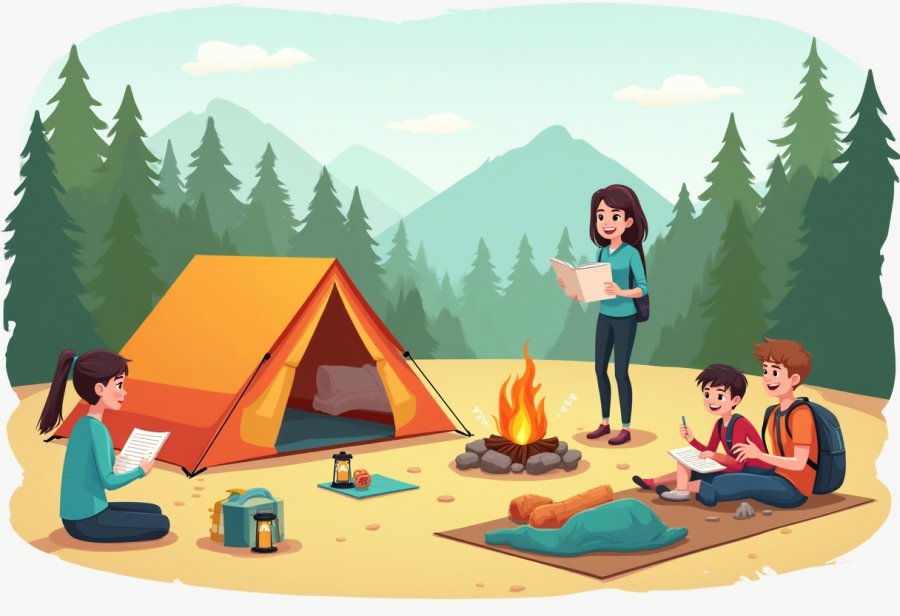
Starting your first camping trip can feel a bit intimidating, especially with all the gear choices, instructions, and outdoor lingo to get familiar with. It’s completely normal to feel overwhelmed when thinking about setting up a tent, packing all the essentials, or figuring out how to cook outdoors. But remember, everyone starts somewhere, and the key is to approach it with an open mind and a positive attitude. Camping isn’t about getting everything perfect on your first try—it’s about exploring, learning, and enjoying nature at your own pace.
Thinking of camping as an adventure rather than a challenge can make a big difference. When you focus on discovering new things and soaking in the surroundings, the experience becomes more fun and less stressful. Preparing ahead—packing the right gear, understanding basic safety, and knowing what to expect—can boost your confidence and help you relax once you’re out in the outdoors. The more familiar you are with the essentials, the easier it will be to enjoy the trip and stay present in the moment.
It’s also helpful to remember that questions and uncertainties are part of the process. Will I forget something? How do I set up my tent? These are common concerns, and the good news is that most first-timers face similar worries. Each small step, like pitching your tent or trying out a trail, builds your skills and confidence. Think of each challenge as a chance to learn something new. With time, what once seemed difficult will become second nature, turning camping into a rewarding experience rather than a daunting task.
Getting comfortable outdoors starts with understanding some basic terms and concepts—like “pitching” (setting up your tent), “campfire,” or “pack list.” Knowing these simple words makes planning easier and reduces uncertainty. As you become more familiar with the language of camping, the whole experience will feel more accessible and enjoyable. It’s all about taking small, manageable steps and trusting that each one adds to your outdoor confidence.
Finally, your mindset matters just as much as your gear. Approaching your trip with curiosity and patience transforms potential frustrations into moments of discovery. Things might not go exactly as planned—perhaps a rain shower or a tricky campsite—but embracing these as part of the adventure makes the journey richer. Keep an open mind, stay relaxed, and remember that every trip is a new chapter in your outdoor story.
Preparing Mentally and Physically for Your First Camping Trip
Getting started with camping means focusing on both your mindset and your preparations. The first step is to set realistic expectations. It’s completely normal to feel a bit unsure or overwhelmed, especially if it’s your first time out. Reminding yourself that it’s okay to learn as you go helps keep anxiety in check and makes the experience more enjoyable. Approaching the trip with curiosity and patience allows you to see challenges as part of the adventure rather than obstacles.
Mentally, cultivating flexibility is key. Things might not go exactly as planned—maybe the weather shifts unexpectedly or setting up your tent takes longer than anticipated. Staying open-minded means you’re more likely to adapt and find solutions, turning setbacks into stories. Focus on enjoying the outdoors and discovering new sights and sounds, rather than striving for perfection. This mindset keeps your trip light and fun.
Physically preparing involves packing the essentials—such as a sturdy tent, sleeping gear, weather-appropriate clothing, and basic supplies. Taking time before your trip to familiarize yourself with these items makes a big difference. Practicing how to set up your tent at home, for example, can save frustrating moments at the campsite. Organize your gear in advance, using small bags or containers, so everything is easy to access once you arrive. This keeps your campsite tidy and your mind clear.
Choosing the right gear is just as important as packing the right items. Lightweight, versatile clothing that can be layered helps you handle changing weather. Don’t forget rain gear and sturdy shoes for walking. A reliable flashlight or headlamp, snacks, water, and a simple map or GPS should also be in your pack. Staying organized reduces stress and helps you stay focused on the fun and discovery.
Safety is a crucial part of your preparation. Familiarize yourself with basic safety tips—like handling minor injuries, staying hydrated, and protecting yourself from the sun. Keeping a charged phone, a whistle, or a two-way radio can be lifesavers in emergencies. Preparing for these small details means your trip remains safe and stress-free, so you can relax and enjoy your time outdoors.
Testing your gear before heading out makes a big difference. Set up your tent in your backyard, try out your stove or cooking gear, and pack your backpack at home. This quick rehearsal helps identify any issues early and boosts your confidence. With a little planning and practice, you’ll be ready to embrace your outdoor adventure with a relaxed mindset, making every moment in nature more fun and memorable.
Boost Confidence and Enjoyment on Your First Outdoor Escape
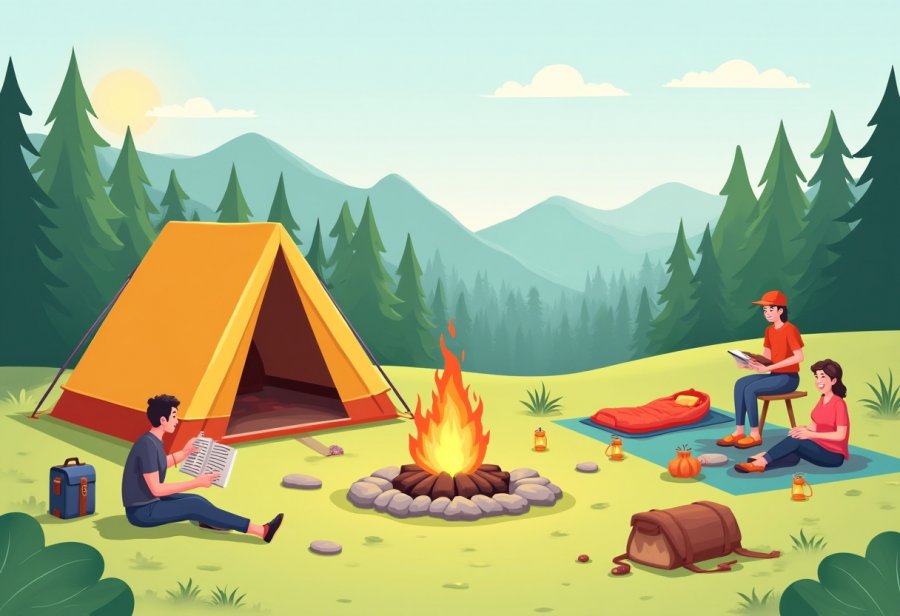
Approaching outdoor activities with confidence and enthusiasm can transform your first camping trip into a truly memorable experience. The key is to see each activity as an opportunity to learn and enjoy, rather than something you need to master perfectly right away. Starting with simple pursuits like a gentle walk or exploring your campsite helps build your comfort level and sparks curiosity. When you approach these moments with a sense of adventure, you’re more likely to stay relaxed and open to new experiences.
It’s natural to feel hesitant or unsure at first, but embracing a curious mindset turns mistakes or setbacks into valuable lessons. For example, if lighting a campfire doesn’t go as planned, view it as a chance to try again and improve. This attitude not only boosts your confidence but also helps outdoor activities feel less intimidating. Remember, everyone starts somewhere, and even seasoned campers once faced the same beginner nerves.
Focusing on the joy of being outside shifts your perspective from feeling overwhelmed to feeling excited. Notice the small details—listening to bird calls, feeling the texture of tree bark, or watching the sunset. These moments of connection deepen your appreciation for nature and reinforce your enthusiasm. When you’re present and genuinely interested, outdoor activities become less about performance and more about discovery.
Trying new things, like a simple hike or birdwatching, can further boost your confidence. Even if you don’t get it perfect, the goal is to enjoy the process. Celebrate each small success—finding a good trail, spotting a bird, or setting up your tent without fuss. These wins accumulate, showing you that outdoor adventures are accessible and fun, not just for experts but for everyone willing to give it a go.
Keep a positive attitude, especially when faced with inevitable surprises like weather changes or minor hiccups. Accepting these as part of the outdoor experience keeps you relaxed and adaptable, making the trip more enjoyable. Approaching each challenge with a smile and a “we can figure this out” mindset turns potential stress into part of the adventure, helping you stay motivated and eager for the next step.
Practical Tips for a Smooth and Memorable Camping Experience
Getting started with camping smoothly means taking practical steps that make your first trip enjoyable and stress-free. Begin by making a simple checklist of essentials—tent, sleeping bag, weather-appropriate clothing, food, water, and safety gear like a basic first aid kit. Organizing these items ahead of time and practicing setting up your tent at home can save valuable time and prevent frustration once you arrive. The familiarity with your gear boosts your confidence and helps you settle in more quickly.
Choosing the right campsite also makes a big difference. Look for a flat, clear spot away from rocks and sticks, ideally near water but not too close to busy areas. When you arrive, take a moment to survey the space. Setting up your tent on level ground and securing it properly with stakes and guy lines creates a stable foundation, especially if the weather turns or winds pick up. A solid setup makes everything else easier and more comfortable.
Follow the instructions that come with your tent and practice pitching it beforehand. This quick prep at home makes setup at the site faster and less stressful. Inside the tent, organize your gear into small bags or containers so you can easily find what you need without rummaging. During your trip, stay flexible—weather shifts or unexpected surprises can happen, and adapting quickly keeps things running smoothly.
Choosing lightweight, versatile clothing that can be layered helps you handle changing conditions comfortably. Pack a reliable flashlight or headlamp for nighttime, along with snacks, water, and a simple map or GPS device. Keeping everything organized in advance reduces stress and allows you to focus on enjoying your surroundings. Remember, safety is key—familiarize yourself with basic safety tips like handling minor injuries, staying hydrated, and protecting yourself from the sun.
Having some practice before you leave home can make a big difference. Set up your tent in your backyard, try out your stove or cooking gear, and pack your backpack step-by-step. This quick rehearsal helps catch any issues early and builds your confidence. With a little planning, organization, and a relaxed attitude, your first camping experience can be smooth, fun, and memorable, setting the stage for many more outdoor adventures ahead.
Embrace the Outdoors: Final Thoughts and Your Journey Forward
Every camping trip adds a new chapter to your outdoor story, building confidence and sharpening your skills with each adventure. Over time, you’ll find yourself more comfortable exploring unfamiliar places and trying different activities, turning outdoor life from something intimidating into a source of joy and discovery. These experiences create a foundation of familiarity and confidence that makes future trips even more rewarding.
Approaching each outing with curiosity and patience keeps the outdoor experience fresh and meaningful. When things don’t go exactly as planned—whether it’s a sudden rainstorm or a tricky setup—see it as part of the journey. These moments often become the best stories and teach lessons that make you a better camper. Embracing the unpredictability of nature keeps your trips exciting and helps you develop resilience and adaptability.
As you gain more outdoor experience, you’ll start to discover favorite spots and routines that feel like home away from home. Maybe it’s a peaceful trail that calls you back or a perfect spot for stargazing. These familiar places and habits deepen your connection to nature, making each trip more comfortable and effortless. They serve as stepping stones that boost your confidence and turn camping into a natural extension of your everyday life.
Sharing your outdoor adventures with friends and family can amplify the joy and create lasting memories. Whether it’s a backyard sleepover or a weekend getaway, inviting others into your outdoor world fosters bonds and sparks enthusiasm. Passing on what you’ve learned not only helps others start their journey but also enriches your own experience, transforming camping into a shared story of discovery and fun.
Looking ahead, consider every trip as an opportunity to learn something new—whether it’s a better way to set up your tent, a new recipe to try over the fire, or a different trail to explore. Each step forward enhances your skills and deepens your appreciation for the outdoors. The more you explore, the more confident and passionate you become, turning outdoor adventures into a lifelong pursuit.
Remember, the outdoors is an endless source of surprises and lessons. Staying curious keeps your adventures exciting and meaningful. Every trip, no matter how small, contributes to your growing knowledge and connection with nature. Embrace the learning process, and let your outdoor passion flourish—you’re only getting started on a journey that promises discovery, joy, and countless memorable moments.