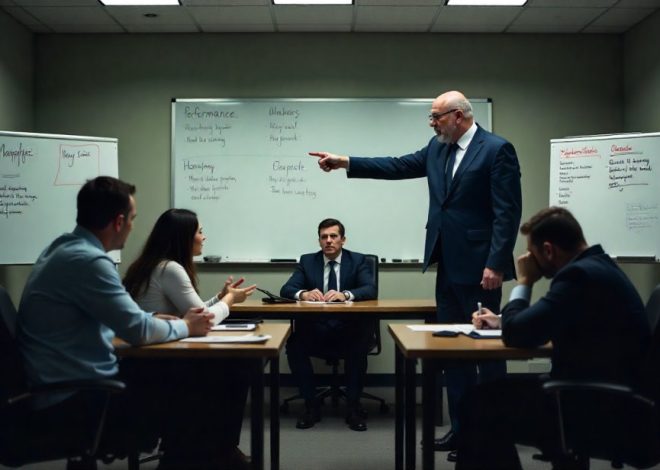
Transforming Workplace Criticism into a Culture of Growth and Trust
In today’s workplaces, feedback is meant to foster growth and trust, yet too often, it slips into negativity that erodes morale and damages relationships. Why does constant criticism overshadow achievements, and how can managers unknowingly contribute to this toxicity? This article explores the subtle signs of harmful feedback, revealing how unfocused or overly harsh comments breed resentment and disengagement. It delves into the roots of toxic behavior—perfectionism, insecurity, or a need for control—and their impact on team cohesion. More importantly, it offers strategies for cultivating a balanced feedback culture rooted in respect, specificity, and empathy. Can organizations reframe their approach to feedback, transforming it from a source of hostility into a tool for collective growth? Embracing ongoing, compassionate communication, supported by technology and emotional intelligence, may hold the key to building healthier, more resilient workplaces where trust and innovation flourish instead of falter.
The Thin Line Between Supportive Feedback and Toxic Criticism
In most workplaces, giving feedback is a routine part of the job. It’s how managers and colleagues help each other grow, highlighting strengths and pointing out areas for improvement. When done well, feedback fosters trust, boosts performance, and reinforces a shared sense of purpose. But the line between helpful critique and harmful criticism is thin—and crossing it can turn a supportive environment into a toxic one.
Sometimes, feedback shifts from being constructive to becoming more about fault-finding than support. Instead of offering specific, actionable advice, it can become vague, overly negative, or even personal. This kind of criticism doesn’t motivate employees; it drains morale and breeds resentment. When workers face constant negativity that feels unjustified or overly harsh, they start to feel undervalued and anxious. Over time, this persistent criticism chips away at trust, making honest conversations more difficult and less effective.
The problem isn’t criticism itself but how it’s delivered and received. When feedback focuses only on flaws without recognizing effort or achievement, it creates an environment of fear and resentment. This atmosphere discourages risk-taking and innovation because employees become afraid of making mistakes or being singled out. The result is a work culture where negativity outweighs positivity, and morale suffers. Recognizing the signs of toxic criticism early can help prevent this cycle from taking hold, ensuring feedback remains a tool for growth rather than a source of hostility.
Understanding these dynamics is crucial because their impact extends beyond individual relationships. When negative feedback dominates, trust in leadership erodes, engagement drops, and team cohesion weakens. Employees may withdraw from collaboration, fearing judgment or rejection. This cycle hampers productivity and fosters a stressful environment where fear of criticism stifles creativity and open communication. Addressing these issues early helps maintain a healthy workplace culture where feedback supports development instead of tearing it down.
Unmasking Toxicity: Signs and Causes of a Damaging Workplace Environment
Toxicity in the workplace often manifests subtly, creeping in through behaviors and environments that gradually erode trust and morale. When negativity becomes a constant, employees begin to feel undervalued, stressed, and disengaged. Signs of this toxic atmosphere include relentless criticism, gossip, favoritism, and a lack of transparency. When feedback shifts from being constructive to harsh, vague, or personal, it fuels resentment rather than growth. Over time, such environments foster the perception that effort goes unnoticed, leading to burnout and high turnover.
Negative criticism often stems from certain personality traits or organizational dynamics. Managers or coworkers with perfectionist tendencies tend to fixate excessively on mistakes, believing that constant pointing out of flaws will improve performance. However, this approach often backfires, making team members feel scrutinized rather than supported. Insecurity and a need for control can also drive individuals to wield criticism as a weapon, masking doubts or insecurities. When workplaces reward competition over collaboration, criticism becomes a tool for dominance, further damaging team cohesion.
Persistent negativity from those who focus solely on faults without acknowledging effort creates a toxic environment. Such fault-finding erodes morale, making employees feel their contributions don’t matter. As trust diminishes, they become less willing to share ideas or take risks, out of fear of judgment or harsh feedback. This cycle of criticism and disengagement feeds itself, intensifying hostility and alienation. Over time, the workplace transforms into a space filled with unspoken resentments, where collaboration and innovation suffer.
Leadership plays a pivotal role in either fueling or combating toxicity. When managers criticize publicly without offering solutions or show favoritism, they set a damaging tone. Leaders focused more on assigning blame than fostering improvement create a culture of fear and defensiveness. This environment discourages honest dialogue, making it harder to address issues effectively. Without a foundation of respectful, balanced feedback, negativity festers, and trust in leadership erodes further.
Workplaces riddled with ongoing negativity often see collaboration decline sharply. Employees, faced with unfair or overly harsh criticism, tend to withdraw from teamwork. Instead of working together to solve problems, they focus on avoiding conflict or judgment. This withdrawal hampers innovation and weakens team cohesion, turning the work environment into a battleground of unspoken frustrations. As trust and engagement fade, morale plummets, and productivity drops.
Early recognition of toxic signs is crucial. Personal, vague, or excessively negative feedback signals a deteriorating environment. Both managers and employees need to be aware of how words and actions impact the overall atmosphere. Toxic criticism doesn’t just harm individuals; it poisons the entire team dynamic, making trust and open communication difficult to sustain. Addressing these issues promptly can prevent toxicity from taking root and spreading further.
Breaking the cycle requires understanding its roots and actively working to change the culture. Cultivating respectful, balanced feedback fosters trust and openness. Leaders who model empathy and constructive communication set a tone that encourages honest, supportive conversations. Creating safe spaces for dialogue, emphasizing effort alongside mistakes, and promoting mutual respect help transform negativity into opportunities for growth. Building such environments takes effort, but the payoff is a healthier, more resilient workplace.
Current Feedback Practices: Progress, Pitfalls, and Persistent Challenges
In recent years, many workplaces have shifted toward more open and ongoing feedback practices, trying to move beyond the limitations of annual reviews. Companies increasingly recognize that regular conversations about performance help build trust and foster continuous improvement. However, despite these efforts, a significant portion of feedback still leans toward negativity, vagueness, or superficiality. Managers often focus on pointing out mistakes without providing clear guidance on how to improve, which can make feedback feel more like criticism than a helpful tool. This approach reinforces a perception that feedback is about fault-finding, discouraging honest dialogue and growth.
At the same time, some organizations hesitate to give honest criticism because they fear conflict or damaging relationships. As a result, feedback becomes overly polite, delayed, or evasive, leaving issues unaddressed until they escalate. When employees sense that honesty is sacrificed for politeness, they may become disengaged and reluctant to voice concerns. This creates an environment where problems fester, and trust diminishes. The lack of transparency makes it difficult to develop a culture of genuine collaboration or innovation, as fear of negative reactions hampers open communication.
Many workplaces struggle with balancing candor and kindness. When feedback is vague, employees are unsure what to change; when it’s too harsh or personal, resentment builds. Managers often lack training in delivering constructive criticism effectively, which leads to discomfort on both sides. Without proper guidance, feedback can become a source of stress rather than motivation. This cycle discourages honest conversation, leaving issues unresolved and negativity unchecked. Over time, this dynamic erodes team cohesion and stifles creativity, creating a cycle where trust and morale continue to decline.
The environment suffers further when leaders focus more on assigning blame than fostering solutions. Public criticism without offering support or recognition sets a damaging tone, breeding defensiveness and fear. When feedback is driven by punishment rather than growth, employees become guarded, hesitant to share ideas or admit mistakes. This reluctance hampers collaboration and innovation, turning the workplace into a space of silence and suspicion. The result is a toxic atmosphere that hampers productivity and damages overall morale.
Despite these challenges, some organizations are making progress by adopting new tools and training programs. Platforms that facilitate real-time feedback and recognition help normalize ongoing conversations. Leaders developing emotional intelligence and communication skills create a more compassionate approach, encouraging openness and mutual respect. When feedback becomes a regular, respectful part of daily work, it shifts from being a source of toxicity to a catalyst for development. Building this culture takes effort, but it’s essential for creating a workplace where trust, growth, and collaboration thrive.
Practical Strategies to Cultivate Respectful and Constructive Feedback Culture
Building a balanced feedback culture begins with setting clear expectations around respectful communication. Leaders should emphasize that feedback is intended to support growth, not to criticize for its own sake. Establishing guidelines that encourage specificity and actionable suggestions helps make feedback more effective. For example, replacing vague comments like “Your work wasn’t good enough” with concrete observations such as “Your recent report was thorough, but double-checking the data could improve accuracy next time” provides clarity. Framing feedback positively and focusing on solutions fosters a growth mindset and maintains morale.
Creating a routine of open, ongoing conversations is essential to normalizing constructive feedback. Regular check-ins and informal discussions help turn feedback into a natural part of daily work life. When employees and managers engage in honest dialogue without fear of judgment, trust builds over time. Managers trained in emotional intelligence and effective communication become better at delivering messages that motivate rather than discourage. Encouraging employees to share their perspectives also helps foster mutual respect and makes feedback a two-way process.
Peer recognition plays a crucial role in cultivating a healthy environment. When colleagues acknowledge each other’s efforts and offer supportive suggestions, it reinforces collaboration and shared responsibility. Highlighting progress and effort—not just results—shifts the focus toward continuous development. This approach helps normalize balanced feedback, where praise and constructive criticism coexist, making the workplace more positive and supportive. Over time, such practices diminish the fear of criticism and encourage everyone to contribute openly.
Addressing resistance to feedback, such as fear of conflict or defensiveness, requires consistent practice and leadership modeling. Leaders should demonstrate how to give and receive feedback with empathy, creating safe spaces where concerns can be expressed without repercussions. Small steps like active listening exercises or feedback workshops can gradually shift mindsets and break down barriers to honest communication. Patience and persistence are key, as cultural change doesn’t happen overnight.
Investing in tools and training further supports this shift. Platforms like OfficeVibe or TinyPulse facilitate real-time feedback and recognition, making ongoing dialogue easier and more natural. Training programs focused on active listening and emotional intelligence help managers and employees handle difficult conversations with confidence. When feedback becomes embedded into daily routines, it transforms from a potential source of toxicity into a driving force for growth and cohesion.
Ultimately, building a healthy feedback culture is an ongoing journey. It requires continuous attention to how communication flows within the organization and a willingness to adapt practices. Leaders who prioritize transparency, empathy, and mutual respect set the tone for a resilient, trusting workplace. When everyone feels valued and heard, feedback becomes a tool for development—strengthening relationships, boosting morale, and fostering a positive environment where growth is shared and toxicity has no place.
Future Frontiers: Building Resilient, Positive Feedback Ecosystems for Sustainable Growth
Looking ahead, organizations have a real opportunity to reshape how feedback functions in the workplace by embracing new approaches and technological advancements. Real-time feedback tools and AI-driven performance analytics are making it easier for managers and employees to stay connected and address issues promptly. When feedback is timely and frequent, it helps foster a culture of continuous growth rather than periodic, reactive reviews. This immediacy prevents negativity from building up and encourages a more open, supportive environment where development becomes part of everyday work life.
Alongside technology, there’s a growing focus on emotional intelligence and empathy within leadership. Managers developing stronger skills in these areas can deliver constructive criticism with compassion, making feedback feel less like judgment and more like a shared effort toward improvement. Leaders who prioritize understanding and kindness set a tone that invites honest conversations, reduces defensiveness, and discourages the re-emergence of toxic dynamics. By modeling respectful dialogue, they create safe spaces where employees feel valued and heard.
Organizations are also increasingly incorporating peer recognition platforms that highlight efforts and achievements. These tools balance out corrective feedback by emphasizing appreciation and positive reinforcement. When employees see regular acknowledgment of their contributions, it diminishes fear of criticism and nurtures a sense of belonging and motivation. Over time, such practices help embed a culture where growth involves both recognizing strengths and addressing areas for improvement respectfully.
To sustain these positive shifts, continuous investment in training and culture assessment remains essential. Regular workshops on active listening, emotional intelligence, and effective communication help keep the focus on respectful, constructive dialogue. Gathering feedback through surveys or focus groups provides insights into what’s working and where adjustments are needed. Staying adaptable ensures that the workplace environment evolves in step with best practices, preventing old, toxic habits from reasserting themselves.
Creating resilient, healthy feedback environments also depends on leadership consistency. Leaders must demonstrate a genuine commitment to transparency and empathy, reinforcing these values daily. When feedback becomes a shared responsibility rooted in respect, trust naturally deepens, and employees feel more empowered to contribute openly. This ongoing effort builds a foundation where feedback fuels development rather than fostering fear or resentment.
As workplaces continue to evolve, so should the ways they nurture dialogue. Embracing new tools, prioritizing emotional intelligence, and fostering a culture of recognition and growth will help organizations stay ahead of toxicity. By doing so, they create environments where honest, respectful communication is the norm—transforming feedback from a potential source of conflict into a powerful driver of collective success.
The future belongs to organizations that see feedback as an ongoing, relational process rather than a one-time event. Investing in people and technology to support continuous, respectful dialogue ensures that trust remains strong and negativity stays at bay. When feedback becomes part of the organizational fabric, it not only promotes resilience and innovation but also cultivates a workplace where everyone feels safe, valued, and motivated to grow together.