
Revolutionizing Winter Driving with Advanced Tire Technology
Winter tires have long been heralded as essential safety tools for icy, snowy roads, but do they truly deliver on their promise to enhance grip and control? This exploration delves into the evolution of winter tires—from early innovations in softer rubber compounds to today’s sophisticated tread designs and safety certifications—highlighting how technological advances have continually improved winter driving safety. Scientific studies confirm that winter tires significantly outperform all-season counterparts, reducing stopping distances and increasing driver confidence. Yet, questions about their cost and regional necessity persist. Are these specialized tires a crucial investment for all drivers facing winter’s hazards, or can cautious driving alone suffice? As innovations like smart materials and integrated sensors emerge, the future of winter tires promises even greater safety and comfort. Ultimately, the real question remains: when winter’s worst hits, are your tires enough to keep you safe— or is it time to rethink your winter driving strategy?
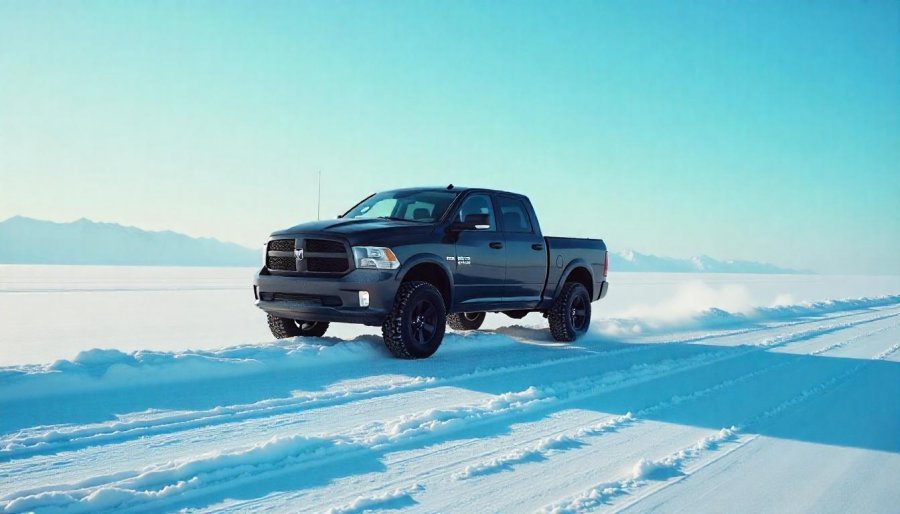
Discover Why Winter Tires Are Essential for Icy Road Safety
Winter tires become a focal point as temperatures dip and icy roads appear more often. Many drivers see them as essential safety tools, especially in regions where winter weather can quickly turn roads slick and unpredictable. These specialized tires are designed specifically for cold conditions, providing better grip and control when all-season or summer tires struggle to perform. As winter approaches, the question of whether investing in winter tires is worth it gains urgency, particularly in areas prone to snow and ice.
What makes winter tires stand out is their ability to stay flexible in freezing temperatures. They feature softer rubber compounds that don’t harden when it’s cold, helping to maintain traction. Their tread patterns are also different, with deeper grooves and more sipes—tiny cuts in the tread—that help channel snow, slush, and water away from the contact patch. This design creates extra biting edges, which improve grip on icy surfaces and reduce the chances of slipping—a leading cause of winter accidents.
Research and real-world experience increasingly support the safety benefits of winter tires. Studies show that vehicles equipped with them can stop significantly shorter on icy roads—sometimes up to 30% less distance—compared to those using all-season tires. Many safety organizations emphasize that winter tires are a key safety feature, crucial for maintaining control during harsh winter conditions. Their proven performance has led to widespread acceptance, especially in countries with severe cold weather, where their use is often mandated by law.
Over the years, winter tire technology has advanced considerably. Early models focused mainly on softer rubber, but today’s tires incorporate sophisticated tread designs and materials that adapt to extreme conditions. Innovations like studless designs, increased sipes, and deeper grooves have made winter tires more effective and quieter. These improvements help drivers navigate icy and snowy roads with more confidence and less noise, making winter driving safer and more comfortable.
Despite the clear safety advantages, some remain skeptical about whether winter tires are worth the expense. The costs of buying, mounting, and maintaining a second set of tires can add up, leading some to question if the safety benefits justify the investment. Others argue that cautious driving, such as reducing speed and increasing following distances, can mitigate winter risks just as well. Yet, for drivers facing severe winter weather, the enhanced traction and control offered by winter tires often make a crucial difference in safety.
As winter nears, awareness of these tires continues to grow. Countries like Sweden and Finland almost universally adopt winter tires, sometimes by law, highlighting their importance in severe climates. In milder regions, fewer drivers opt for them, relying instead on chains or cautious driving. This regional variation shows that the importance of winter tires depends heavily on local weather and road conditions, shaping how drivers prepare for the season.
Tracing the Evolution of Winter Tires From Basic Rubber to High-Tech Safety Tools
The story of winter tires begins in the early 20th century, born out of the growing need for safer travel during harsh winter months. Standard tires at the time often struggled to grip icy and snowy surfaces, making driving treacherous. Innovators started experimenting with softer rubber compounds that remained flexible even in freezing temperatures, which marked a crucial breakthrough. This innovation prevented tires from becoming hard and brittle in cold weather, significantly improving traction and safety.
As technology progressed, manufacturers focused on enhancing performance in winter conditions. They introduced deeper tread grooves and tiny sipes—small cuts in the rubber—that helped channel snow, slush, and water away from the contact patch. These features created more biting edges, boosting grip on icy and snowy roads. What began as simple modifications gradually evolved into specialized tires explicitly designed for winter driving, reflecting a clear shift toward prioritizing safety.
Over the decades, winter tire development continued to accelerate. Advances in rubber technology allowed for even softer, more flexible compounds that performed well at extremely low temperatures. Tread designs became more sophisticated, with increased sipes and optimized patterns for better water and snow evacuation. Some modern winter tires now incorporate studless designs, combining excellent grip with quieter, smoother rides—addressing common complaints about older, studded options.
Regulatory changes and safety testing played a vital role in shaping their evolution. Many countries introduced regulations requiring winter tires during certain months or in regions with severe winters. These standards pushed manufacturers to meet higher safety benchmarks, ensuring that tires were effective in real-world conditions, not just in lab tests. As a result, winter tires today are the product of decades of meticulous innovation, driven by a shared goal of improving safety on icy roads.
Looking at their history, it’s clear that winter tires have come a long way from basic rubber solutions to high-tech safety tools. Each leap in design and material science has aimed to enhance grip, handling, and durability in the face of extreme cold. This continuous progress underscores their importance for winter driving safety, transforming them from optional accessories into essential equipment for many drivers.
Today, winter tires symbolize a commitment to safety that’s rooted in decades of innovation. Their evolution reflects a relentless pursuit of better traction and control, enabling drivers to tackle winter conditions with greater confidence. With ongoing research and new materials on the horizon, the future of winter tires promises even smarter, more effective solutions—once again pushing the boundaries of what’s possible in cold-weather driving safety.

Unveiling The Science and Industry Standards Confirming Winter Tires’ Effectiveness
Today, the effectiveness of winter tires is backed by a substantial body of scientific research and industry standards. Numerous studies consistently demonstrate that winter tires outperform all-season tires in traction, handling, and braking on icy and snowy roads. For example, tests show that vehicles equipped with winter tires can stop up to 30% faster on ice, a difference that can be crucial in avoiding accidents. These findings confirm what many drivers experience firsthand: winter tires provide a significant safety edge in severe winter conditions.
Industry standards reinforce these benefits by setting rigorous criteria for grip, durability, and snow evacuation. Organizations like the Rubber Manufacturers Association and European testing agencies certify tires that meet their strict benchmarks with symbols such as the “Three Peak Mountain Snowflake,” indicating their suitability for winter use. These markings help consumers identify quality options and build confidence that their tires have been tested for real-world winter performance.
Most automotive experts agree that winter tires are a proven safety measure. They point to extensive evidence showing that these tires reduce accidents by improving grip and shortening stopping distances on icy surfaces. Manufacturers continue to innovate, employing advanced materials and innovative tread designs that enhance these safety benefits. While some skeptics question whether winter tires are necessary everywhere, the consensus among safety professionals remains clear: properly chosen winter tires significantly boost driver confidence and safety.
Cost is a common concern. The expense of purchasing, mounting, and maintaining a second set of tires can add up, leading some to wonder if the safety gains justify the investment. While cautious driving—slowing down and increasing following distances—can help mitigate winter risks, even the most careful drivers benefit from the additional grip that winter tires provide. The data indicates that in conditions dominated by ice and snow, winter tires are more than an optional upgrade—they are a practical safety tool.
Media coverage often emphasizes winter tires as essential for safe winter driving. Advertisements depict vehicles confidently navigating snow-covered landscapes, highlighting the tires as key to control and accident prevention. News outlets tend to reinforce this message after major storms, framing winter tires as a must-have for mobility and safety. Despite some voices questioning the cost or regional necessity, the overall message remains that winter tires are a valuable investment when winter weather hits.
The evidence supporting winter tires’ effectiveness is compelling. They dramatically improve traction, braking, and overall handling in icy and snowy conditions. Regional differences influence adoption, but for those facing harsh winters, the safety benefits are undeniable. As technological advances continue, winter tires are expected to become even more effective, offering drivers greater peace of mind and control during the cold months.
Staying informed about ongoing innovations helps drivers make smarter choices. Advances like smart rubber compounds that adapt to road conditions and improved tread patterns are already enhancing winter tire performance. Embedded sensors and vehicle safety integrations promise to make winter driving safer and more proactive. These developments could redefine the standards of winter safety, making winter tires an even more essential part of vehicle safety systems.
Practical Tips for Choosing, Using, and Maintaining Winter Tires for Maximum Safety
To get the most benefit from your winter tires, start by selecting the right set for your vehicle and local conditions. Look for tires that meet recognized safety standards, such as the “Three Peak Mountain Snowflake” symbol, which indicates they’re designed specifically for winter driving. Proper installation is just as important; having them mounted and balanced professionally ensures even wear and optimal handling on icy or snowy roads.
Maintaining correct tire pressure is crucial during cold weather. As temperatures drop, air contracts, reducing pressure and decreasing traction. Regularly check your tire pressure and inflate your tires to the manufacturer’s recommended levels, usually listed on a sticker inside the driver’s door or in the manual. Proper pressure helps maximize grip and prevents uneven wear, extending the life of your tires.
In challenging winter conditions, tire chains can provide a significant safety boost. When roads are heavily snowed or icy, chains on the drive wheels can dramatically improve traction. Ensure they are installed correctly according to the manufacturer’s instructions, and remove them when conditions improve to avoid damage to tires and roads. Remember, chains are most effective when used as a supplement to good tires and cautious driving.
Adapting your driving style is one of the best safety measures you can take. Reduce your speed, increase following distances, and accelerate or brake gradually. These simple adjustments help prevent skidding and loss of control on slick surfaces. Keep in mind that stopping distances on ice can be several times longer than in dry conditions, so staying alert and patient makes a real difference.
Supporting your winter driving with additional precautions can further enhance safety. Carry an emergency kit with essentials like a flashlight, warm clothes, a snow brush, and some sand or kitty litter to improve traction if you get stuck. Using weather apps and road condition updates before heading out allows you to plan safer routes and avoid the most hazardous patches, making your journey less stressful and more secure.
Even with the best tires and cautious driving, being prepared is key. Knowing your vehicle’s limits and understanding winter road conditions help you stay in control. Regularly inspect your tires for wear and damage, and replace them when necessary. Staying proactive not only keeps you safer but also ensures your winter tires perform at their best when it matters most.
Future Innovations in Winter Tire Technology Promising Safer Cold-Weather Journeys
As winter tire technology advances, the outlook for safer and more reliable solutions remains promising. Innovations like smart rubber compounds that adapt to temperature changes could revolutionize winter driving by providing consistent grip regardless of how severe the weather gets. These tires would automatically adjust their performance to current conditions, reducing the need for driver intervention and minimizing the risk of slipping on icy surfaces.
Meanwhile, improvements in tread design continue to enhance winter tire effectiveness. Deeper grooves and increased sipes help channel snow, slush, and water away more efficiently, which is crucial for maintaining traction. Some manufacturers are developing quieter, studless tires that combine excellent grip with a smoother, less noisy ride—addressing common complaints and making winter driving more comfortable without sacrificing safety.
The integration of tire sensors and vehicle safety systems is another exciting frontier. Embedded sensors can monitor grip levels, tread wear, and pressure in real time, alerting drivers to potential issues before they become hazards. When connected to stability control and anti-lock braking systems, these sensors can help optimize traction automatically. This technological synergy could shift winter driving from reactionary to proactive, giving drivers greater confidence and control in challenging conditions.
Looking further ahead, climate-specific tire strategies may become more prevalent. Instead of a one-size-fits-all approach, drivers could receive tailored recommendations based on regional weather patterns and their driving habits. A driver in an area prone to freezing rain might choose tires optimized for water evacuation and ice grip, while others in milder climates might prioritize different features. This personalized approach could maximize safety and cost-effectiveness, ensuring drivers are equipped with the most suitable tires for their environment.
Throughout their evolution, winter tires have proven their crucial role in enhancing safety. From basic rubber formulations to high-tech compounds and sophisticated tread patterns, each innovation has contributed to better traction, handling, and peace of mind during winter months. As research and development continue, the next generation of winter tires promises even greater reliability, making cold-weather journeys safer and more predictable.
For drivers facing severe winter conditions, staying informed about these technological shifts is vital. Embracing smarter, more adaptive tires could significantly reduce accident risks and improve overall driving experience. The ongoing evolution in winter tire design reflects a broader commitment to safety, ensuring that as weather becomes more unpredictable, drivers are better prepared to handle whatever winter throws their way.