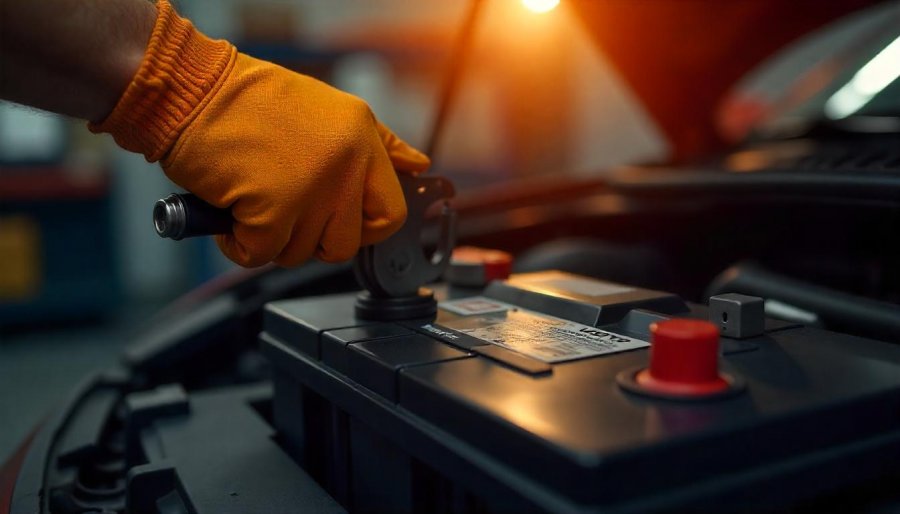
Essential Battery Maintenance Tips for Reliable Driving
Could a simple battery check be the key to worry-free driving? Regular maintenance might seem trivial, but it plays a crucial role in preventing unexpected breakdowns and ensuring your vehicle starts reliably every time. From inspecting terminals for corrosion to testing voltage levels, these small yet vital steps keep your battery—and thus your entire car—operational under all conditions. Overlooking this routine can lead to frustrating stalls, costly repairs, or dangerous roadside emergencies. But what if a few quick actions—cleaning corroded connections, tightening loose clamps, or monitoring fluid levels—could save you from all that? Staying vigilant with regular checks not only extends your battery’s lifespan but also reinforces your vehicle’s overall dependability. In essence, consistent care transforms your driving experience from uncertain to confident—turning a routine task into a powerful safeguard for everyday journeys.

Ensure Smooth Starts with Basic Battery Care
A reliable car isn’t just about having a shiny exterior or a powerful engine; it’s built on the foundation of simple, consistent maintenance—especially when it comes to your battery. Many drivers overlook this small but vital component, assuming that as long as the car starts, everything is fine. But a healthy battery is what keeps your vehicle running smoothly, preventing those frustrating moments when your car won’t start on a cold morning or during a busy day. Taking care of your battery isn’t complicated, and a few quick checks can make a big difference in your daily driving experience.
Proactively maintaining your battery means making regular inspections part of your routine. It’s about more than just hoping for the best—it’s about catching potential issues early before they turn into costly repairs or roadside emergencies. Simple tasks like inspecting the terminals for corrosion, tightening loose connections, and testing the voltage can be done in just a few minutes. These small efforts help ensure your battery delivers consistent power and keeps your vehicle dependable, no matter the weather or driving conditions.
Understanding what to look for is key. Corrosion on the terminals appears as a white, bluish, or greenish crust and can block the flow of electricity. Cleaning it with a mixture of baking soda and water, then scrubbing gently with a wire brush, restores proper contact. This quick step can significantly improve your battery’s performance and prolong its lifespan. Regularly checking and cleaning the terminals helps keep your electrical system functioning efficiently, reducing the chance of unexpected starting problems.
Loose or worn-out connections are another common issue that can cause starting trouble. Vibrations from driving and temperature shifts can loosen clamps over time. Tightening these with a wrench, without overdoing it, ensures a stable connection. If clamps are damaged, replacing them is a straightforward fix that can prevent future issues. Making this a habit every few months keeps your battery’s power flow steady and your vehicle running reliably.
For older lead-acid batteries with removable caps, checking the fluid levels is an important step. Removing the caps and inspecting the electrolyte ensures the plates are properly covered. If the fluid is low, adding distilled water—never tap water—is necessary. Overfilling can cause leaks or damage, so it’s important to be precise. This simple check helps maintain internal components and prevents premature deterioration, especially during extreme weather conditions.
Monitoring your battery’s overall health with a multimeter is another easy way to stay ahead of problems. A healthy, fully charged battery should read around 12.6 volts or higher when the engine is off. If the voltage drops below 12.4 volts, it’s a sign that your battery may be weakening. Regular voltage checks, especially before long trips or in cold weather, can alert you to potential issues. Catching these signs early allows for timely replacement, saving you from being stranded unexpectedly.
Beyond the technical checks, paying attention to how your car behaves during startup provides valuable clues. Slow cranking, dimming headlights, or electrical glitches often point to a declining battery. If you notice these signs, revisit your terminals, test the voltage, or have a professional evaluate the system. Early detection ensures you replace the battery before it leaves you stranded, saving both time and money in the long run.
Physical signs of damage—cracks, leaks, or bulges—are clear indicators that your battery needs replacing. An aging or damaged battery can fail suddenly, especially in harsh weather, leaving you stranded at the worst moment. Regular visual inspections and tracking the age of your battery help you plan ahead, replacing it proactively rather than reacting to an emergency. This simple step offers peace of mind and keeps your vehicle dependable day after day.
Incorporating these small, routine checks into your vehicle maintenance schedule creates a reliable foundation for worry-free driving. Whether it’s cleaning terminals, testing voltage, or inspecting for physical damage, each step contributes to a better understanding of your car’s health. Staying vigilant with your battery care not only extends its lifespan but also ensures your vehicle starts smoothly every time. Over time, these habits become second nature, giving you confidence behind the wheel and making breakdowns a worry of the past.

Step-by-Step Guide to Keep Your Battery in Top Shape
Maintaining your car battery doesn’t have to be complicated or time-consuming. The first step is to turn off your engine and open the hood to access the battery. Once there, start by inspecting the terminals. Corrosion is a common issue—it appears as a white, bluish, or greenish crust on the metal connectors. This buildup can block the flow of electricity, leading to starting problems and electrical glitches. To clean it, mix a small amount of baking soda with water and use a wire brush or an old toothbrush to gently scrub away the corrosion. Wipe the area clean with a damp cloth afterward to remove any residue. This quick step can restore proper contact and improve your battery’s performance.
Next, check the terminal connections. Over time, vibrations and temperature changes can loosen them, making it harder for your battery to deliver power efficiently. Loose connections can cause slow starts or prevent the engine from turning over altogether. Tighten the terminals with a wrench, but be careful not to over-tighten, as this could damage the clamps. Ensure they’re snug and secure—this helps maintain a stable electrical connection. If you notice any damaged or worn-out clamps, replacing them is a simple fix that can prevent future issues. Making this a habit every few months can significantly extend your battery’s lifespan and keep your vehicle dependable.
For batteries with removable caps—mainly older lead-acid types—checking the fluid levels is an important step. Carefully remove the caps and inspect the electrolyte inside. The fluid should cover the plates but not be overfilled. If the level is low, add distilled water—never tap water, as minerals can damage the internal components. Be precise to avoid overfilling, which can cause leaks or damage when the battery charges and the electrolyte expands. After topping off, securely replace the caps. Regularly doing this helps keep the internal parts lubricated and prevents premature deterioration, ensuring your battery can handle daily demands without trouble.
Monitoring your battery’s overall health with a multimeter provides a straightforward way to catch problems early. Set the multimeter to measure DC volts and place the probes on the battery terminals—red on positive and black on negative. A fully charged, healthy battery should read around 12.6 volts or higher when the engine is off. If the reading dips below 12.4 volts, it’s a sign that your battery may be weakening. Regular voltage checks—especially before long trips or during cold weather—can alert you to potential issues before they become emergencies. Catching these early signs allows you to plan for replacement or professional evaluation, avoiding unexpected breakdowns.
Paying attention to how your car behaves during startup can also reveal a lot. Slow cranking, dimming headlights, or electrical glitches often point to a declining battery. If you notice these symptoms, revisit your terminals, test the voltage, or have a professional assess the system. Early detection means you can replace the battery before it leaves you stranded, saving you both hassle and money. Visual signs such as cracks, leaks, or bulges on the case are clear indicators that the battery is past its prime and needs replacing. Addressing these issues proactively helps prevent sudden failures, especially during extreme weather conditions.
Keeping your battery in good shape involves more than just occasional checks. Developing a routine—such as inspecting terminals, testing voltage, and visually examining the case every few months—ensures you stay ahead of potential problems. Incorporating these simple steps into your regular vehicle maintenance keeps your car starting reliably and running smoothly. Over time, these habits become second nature, reducing the risk of unexpected breakdowns and giving you peace of mind on every drive. When your battery is properly maintained, you’re less likely to face the inconvenience of being stranded or dealing with costly repairs.
By staying proactive with your battery care, you extend its lifespan and boost your vehicle’s overall reliability. Regular cleaning, connection checks, and visual inspections are quick, effective ways to catch early signs of wear and prevent bigger issues down the line. This consistent effort translates into fewer breakdowns, smoother starts, and greater confidence behind the wheel. With a little attention and routine maintenance, you can enjoy worry-free driving, knowing your vehicle is ready to perform whenever you need it. Ultimately, caring for your battery is a small investment of time that pays off with dependable, trouble-free journeys every day.
Build Confidence with Reliable Battery Maintenance
Maintaining your vehicle’s reliability depends heavily on consistent, proactive checks—especially when it comes to your battery. When you stay on top of regular maintenance, you drastically reduce the chances of unexpected breakdowns that can leave you stranded or cause inconvenient delays. Routine inspections of your battery terminals, voltage levels, and physical condition help you catch small issues early, preventing them from escalating into costly repairs or roadside emergencies. This ongoing attention ensures your engine starts reliably and your electrical systems operate smoothly, regardless of weather conditions or driving demands.
A healthy battery acts as the backbone of your vehicle’s performance. When it begins to weaken, you might notice sluggish starts, dimming headlights, or electrical glitches that disrupt your drive. By conducting simple yet regular checks—like cleaning terminals, testing the voltage, and visually inspecting for signs of wear—you give your car a health report. Identifying early signs of deterioration allows you to address them before they turn into major failures. This proactive approach not only saves money but also spares you the frustration of being unexpectedly stranded, particularly during cold mornings or long trips.
Routine battery maintenance extends beyond preventing breakdowns. It lengthens the lifespan of your battery and, by extension, your vehicle’s overall reliability. Batteries naturally degrade over time, especially under extreme temperatures or if your driving habits involve short trips that don’t fully recharge the system. Regular inspections—checking for corrosion, bulges, leaks, or other damage—help you plan ahead for replacement, avoiding sudden surprises. Replacing the battery proactively ensures your vehicle remains dependable, reducing the risk of sudden failures that could leave you in inconvenient or unsafe situations.
Ensuring your battery remains in top condition supports the overall health of your vehicle. When the battery functions properly, your engine ignites smoothly, and electrical components—from headlights to dashboard indicators—operate without hiccups. This consistent performance is crucial not only for everyday convenience but also for safety during adverse weather or long-distance travel. Reliable electrical systems mean fewer surprises on the road, giving you confidence and peace of mind in every journey.
Building regular checks into your routine also helps you develop a better understanding of your vehicle’s condition over time. Noticing subtle changes—such as slower starts, flickering lights, or electrical glitches—can alert you to early signs of a declining battery. Addressing these issues early allows for timely replacement, preventing inconvenient breakdowns and costly repairs. These small habits create a foundation of trust in your vehicle’s dependability, making each drive smoother and more predictable.
Maintaining vehicle reliability ultimately comes down to simple, consistent effort. Incorporating regular battery inspections—cleaning terminals, testing voltage, and examining the case for physical damage—can significantly improve your car’s performance. When your battery is in good shape, your vehicle starts every time, and you can focus on your journey rather than potential breakdowns. These routine actions foster peace of mind, ensuring that your vehicle remains dependable day after day, mile after mile.
In the end, caring for your battery isn’t just about avoiding inconvenience; it’s about building confidence in your vehicle’s ability to serve you reliably. Small, consistent checks and maintenance tasks become second nature, reducing the risk of surprises and extending your battery’s lifespan. With a little attention now, you’ll enjoy worry-free driving, knowing your vehicle is always ready to go when you need it most. Reliable, smooth, and stress-free journeys start with simple, regular battery care.