Ride into Independence: The Joy and Journey of Learning to Bike
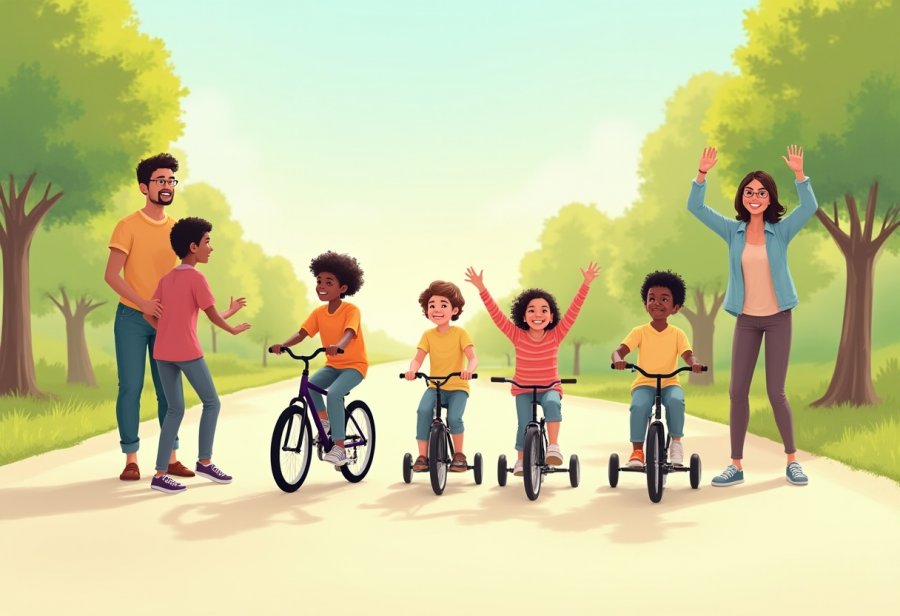
Learning to ride a bike is a timeless milestone that embodies courage, independence, and family bonds. It’s a rite of passage filled with wobbling, falls, and triumphant smiles—each step shaping resilience and confidence. But as technology advances, the journey of teaching children to cycle is evolving—balancing safety gear, innovative tools like balance bikes, and immersive digital experiences. How will these innovations reshape confidence and risk in young riders? Will future smart bikes and virtual environments make falling less daunting or redefine the very essence of adventure? While infrastructure and societal attitudes shift towards inclusivity and safety, the core lessons remain the same: perseverance, patience, and support turn fear into freedom. Cycling today is more than just a skill; it’s a pathway to lifelong curiosity, empowerment, and environmental consciousness. Could the future of learning on two wheels unlock even greater heights of independence and joy?
The Journey to Independence: Learning to Ride and Building Bonds
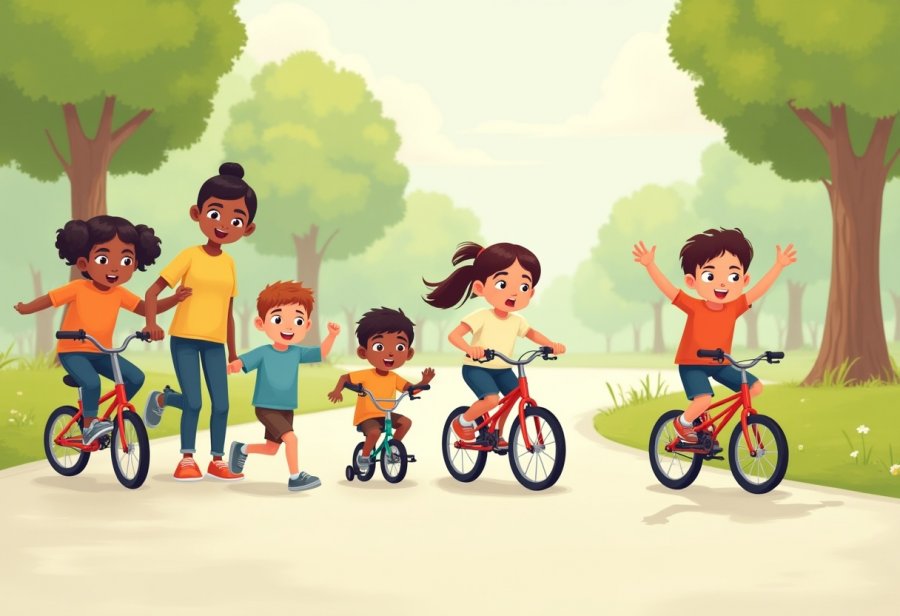
Learning to ride a bike is more than just a childhood skill; it’s a defining moment that marks a leap into independence and self-confidence. For many kids, it’s a mix of excitement and nerves as they prepare to balance on two wheels for the first time. Parents often find themselves gently steadying the bike, offering reassurance as wobbling starts turn into steady pedaling. Those small efforts, filled with patience and encouragement, become the foundation for a sense of achievement that lasts a lifetime.
This milestone also deepens family bonds. From the first tentative pushes to the triumphant solo ride, parents and siblings become active partners in the journey. Their presence—offering a steady hand after a fall, sharing laughs at wobbling attempts—creates a safe space for children to try, stumble, and try again. These shared moments foster trust, patience, and resilience, turning learning into more than just a skill—it’s a shared adventure.
Beyond the personal growth, learning to ride symbolizes a new level of freedom. When children finally pedal on their own, they begin exploring their neighborhood, parks, and surroundings with less reliance on adults. This independence boosts their confidence and encourages curiosity. Pedaling forward, they discover that overcoming the fear of falling opens doors to new experiences and a sense of empowerment that extends into other areas of life.
Fears about falling are natural, yet they don’t have to hold kids back. With gentle guidance, children learn that tumbles are just part of the process. Each wobble becomes a stepping stone, building resilience and teaching that setbacks are temporary. The thrill of mastering balance and movement soon outweighs the initial apprehension, transforming fear into confidence.
For many families, these early lessons in cycling become treasured stories—moments of perseverance, joy, and shared success. The first solo ride, the wobbling starts, the triumphant smile—each memory echoes the importance of patience, teamwork, and courage. These experiences serve as gentle reminders that growth often involves falling before flying.
Ultimately, learning to ride a bike is about much more than physical skill. It’s an emotional journey into discovery, independence, and support. Each pedal stroke symbolizes progress, and every fall is a lesson in resilience. As children learn to navigate on two wheels, they also learn to face challenges with courage and optimism, setting the stage for a lifetime of confidence and adventure.
From Boneshakers to Balance Bikes: Tracing the History of Cycling
The story of learning to ride a bike stretches back over two centuries, crossing continents and cultures. The earliest bicycles, known as velocipedes or “boneshakers,” appeared in early 1800s Europe. These primitive machines were often made of wood with metal wheels, and lacked pedals, so riders pushed off the ground with their feet to move forward. Balancing on these early bikes was a challenge in itself, setting the stage for the importance of stability in how we now teach cycling.
As bicycle designs advanced, so did the methods used to teach children to ride. In many communities, it was a shared rite of passage—families and neighbors would pass down techniques like steadying the bike or encouraging balance. Different cultures celebrated this milestone in their own ways, but the common thread was that riding a bike became a symbol of maturity and independence. These traditions underscored cycling as a gateway to self-reliance, social status, and personal growth.
Technological improvements played a crucial role in making learning safer and more accessible. The introduction of pedals, gears, and sturdier frames increased comfort and safety, reducing the risk of falls. In earlier days, parents and communities often relied on trial and error—holding the bike or running alongside to keep children upright. The addition of safety gear like helmets and padding shifted the focus toward creating protective, encouraging environments, helping kids develop confidence without fear.
In recent decades, innovations such as balance bikes—pedal-less bikes that help kids develop their sense of equilibrium—have gained popularity. These bikes allow children to focus solely on balancing before adding pedaling, making the transition to a regular bike smoother and safer. Along with these tools, safety gear has become more comfortable and lightweight, encouraging kids to wear helmets and pads willingly, which further supports confident riding from an early age.
Cultural icons and societal movements have also influenced how we teach riding. Cycling has been celebrated as a symbol of freedom and adventure, inspiring generations to embrace two wheels as a means of exploration and independence. Influential figures in safety, design, and active transportation advocacy have pushed for more inclusive, safer environments where children can learn to ride with less fear and more joy.
Looking at this history reveals how deeply cycling is woven into human development. From early inventions to modern innovations, the evolution of learning to ride reflects a universal desire for independence, adventure, and resilience. It demonstrates how progress in technology, cultural attitudes, and shared traditions continues to shape the way children experience this timeless milestone, making the journey of learning to ride more inclusive and inspiring than ever before.
Modern Methods and Mindsets: Teaching Kids to Ride Today
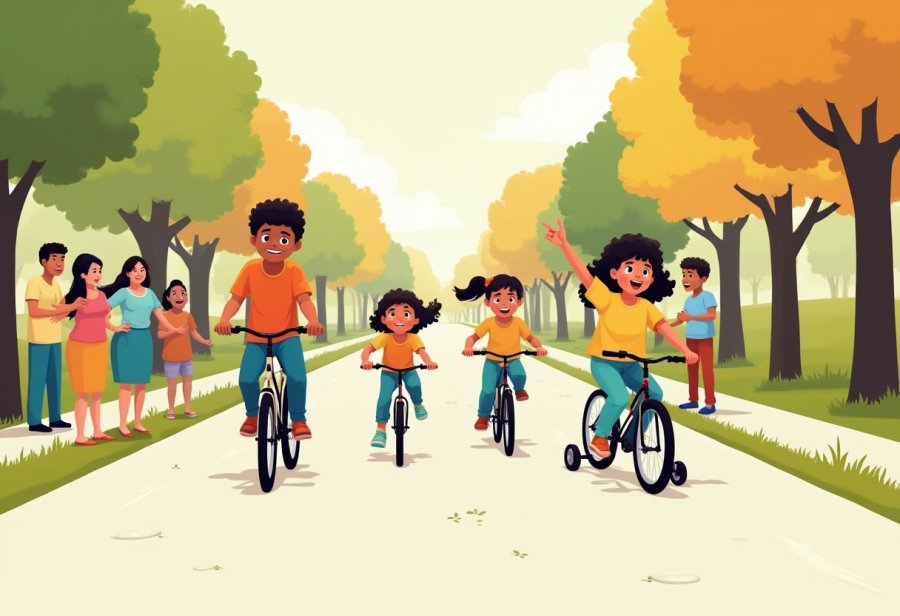
Learning to ride a bike today blends time-tested methods with modern innovations, making the process more engaging and accessible for kids. While traditional techniques like holding the bike steady or using training wheels remain common, they are now often complemented by new tools designed to boost confidence more effectively. Balance bikes, which focus solely on stability without pedals, help children develop their sense of balance first, reducing the fear of falling and creating a smoother transition to pedal bikes. This approach emphasizes mastering balance before steering or speed, making learning more natural and less intimidating.
Safety has become a central focus in contemporary riding practices. Lightweight helmets, padded knee and elbow guards, and reflective gear are now standard equipment that help children feel protected and encourage parents to let them ride more freely. Community programs and local cycling clubs increasingly incorporate fun, social elements into lessons, transforming what might seem like a challenge into an enjoyable adventure. This positive reinforcement helps kids associate cycling with joy rather than fear, fostering a lifelong love of riding.
The attitude toward teaching children to ride has shifted significantly. Caregivers now prioritize patience and encouragement, recognizing that each child learns at their own pace. Instead of rushing or pushing, they create supportive environments where kids feel safe to wobble, fall, and get back up. This supportive approach builds genuine confidence, making cycling an empowering activity rather than a stressful hurdle. As a result, children often develop a positive outlook on challenges, both on and off the bike.
Technology plays an increasingly important role in the learning process. Virtual reality simulations and augmented reality apps are emerging as innovative tools that allow kids to practice balancing and steering in safe, controlled digital environments. These digital aids help hesitant children build familiarity with riding concepts before stepping onto a real bike. Integrating technology into traditional lessons makes the experience more engaging and helps overcome anxiety for those who need extra reassurance.
Modern safety gear has also advanced considerably. Helmets are now lightweight, well-ventilated, and designed for all-day comfort, making kids more willing to wear them. Padded protectors for knees and elbows are easier to put on and more comfortable, encouraging consistent use. These improvements not only reduce injuries but also promote safe habits from the start, making safety an integral part of the riding experience rather than an afterthought.
Community involvement continues to shape how children learn to ride. Many local initiatives offer accessible bikes, free or low-cost lessons, and beginner-friendly environments that prioritize fun and safety. These programs aim to reach children from diverse backgrounds, removing barriers to learning. Creating inclusive spaces where kids can practice confidently fosters independence, resilience, and a shared enthusiasm for cycling. As infrastructure improves and attitudes evolve, riding becomes more than just a skill—it’s a pathway to active, sustainable living.
Beyond the Pedals: How Riding Skills Empower Daily Life and Community
Once children master the basics of riding a bike, a whole new world of everyday opportunities opens up. With confidence on two wheels, they can navigate neighborhood streets, school routes, or local parks without needing constant adult supervision. This independence not only makes daily routines easier but also sparks a sense of adventure and self-reliance that grows with each ride. Cycling becomes a practical, eco-friendly way to handle short trips, reducing reliance on cars and fostering habits that benefit both the environment and personal health.
Beyond transportation, cycling encourages physical activity that benefits kids’ overall well-being. Regular riding enhances coordination, builds strength, and boosts endurance, laying the foundation for a lifetime of active living. Kids often find joy in cycling, turning it into a daily habit that keeps them energized and engaged. Watching their skills improve, children’s confidence blossoms—transforming a simple activity into a powerful tool for resilience, independence, and enjoyment.
Cycling also plays a vital role in community bonding. Group rides, neighborhood events, and local cycling clubs create social opportunities that help children develop teamwork, patience, and communication skills. Sharing the road with friends and family reinforces a sense of belonging and community pride. These shared experiences turn cycling from a solitary activity into a social tradition, fostering relationships and teaching children about cooperation and respect on and off their bikes.
For many kids, learning to ride translates into greater confidence in other areas. Facing challenges like balancing or navigating obstacles on a bike mirrors problem-solving in school and social situations. The resilience gained from falling and getting back up helps develop emotional strength, encouraging a positive attitude toward new activities and challenges. This sense of achievement often sparks a willingness to push boundaries and embrace growth beyond cycling.
As children become more comfortable on their bikes, they start to see their environment differently. They become more aware of traffic rules, road safety, and the importance of attentive riding. These lessons in responsibility and mindfulness extend beyond cycling, shaping their behavior as pedestrians and future drivers. By fostering safe habits early, cycling helps build a generation that values respect, safety, and environmental consciousness, creating a ripple effect that benefits entire communities.
Innovating the Future: Trends and Technologies Shaping Learning to Ride
The future of learning to ride a bike is poised for a transformative shift driven by technological innovation. Virtual reality and augmented reality tools are beginning to offer immersive, risk-free environments where kids can practice balancing and steering. These digital experiences help build confidence early, especially for those hesitant or afraid of falling, making the process feel more like play than a challenge. As these technologies become more accessible and refined, they promise to make learning to ride more engaging, personalized, and less intimidating.
Safety gear is also evolving rapidly. Lightweight helmets equipped with sensors can now alert riders to hazards or monitor riding patterns, adding an extra layer of protection. Bikes embedded with smart technology—such as obstacle detection sensors and real-time feedback systems—are on the horizon, aiming to make cycling safer and more intuitive. These innovations encourage children to explore with confidence, turning potential dangers into learning moments rather than fears, and fostering a sense of independence from the outset.
Urban and community infrastructure are evolving alongside these advances. Dedicated bike lanes, smooth pathways, and bike-sharing programs designed specifically for children are making cycling more practical and inviting. As cities prioritize active transportation and sustainability, cycling is increasingly recognized as a vital part of childhood development. Schools and local governments are promoting active commuting as both a health benefit and an environmental necessity, embedding biking into daily routines and community life.
Attitudes toward teaching riding are also shifting. Education now emphasizes patience, encouragement, and fun, recognizing that each child learns at their own pace. Supportive environments, combined with innovative tools, help reduce anxiety and foster genuine confidence. This approach turns cycling into a source of empowerment, inspiring kids to see challenges as opportunities for growth rather than obstacles to fear.
While technology and infrastructure continue to advance, the core principles of patience, support, and joy remain central. These innovations serve to enhance, not replace, the human connection—guiding children with understanding and encouragement. The goal is to create a future where every child feels safe, excited, and eager to explore on two wheels, laying the foundation for lifelong confidence and a love of active, sustainable living.