Transform Your Business Communication with Customizable Telephony Systems
Imagine transforming your business communication into a seamless, scalable network tailored precisely to your needs—sounds ideal, but how achievable is it? Grandstream’s innovative telephony solutions make this a reality, offering powerful, easy-to-deploy devices like the GRP series IP phones that support large-scale, cloud-managed deployment. These systems blend traditional voice with digital technology, enabling smarter call routing and enhanced security, all while adapting effortlessly as your organization grows. With centralized management platforms like GDMS, maintaining consistency across multiple locations becomes straightforward, reducing operational complexity and costs. But what does the future hold? As cloud platforms evolve, and AI-driven features emerge, your communication infrastructure can become more intelligent, responsive, and resilient. Embracing these advancements today not only future-proofs your network but also elevates customer experience and operational efficiency—are you ready to unlock the full potential of customizable telephony?
Unlock Business Growth with Customizable Telephony Solutions
In today’s fast-moving business landscape, having a communication system tailored to your organization’s specific needs isn’t just a luxury—it’s a necessity. Off-the-shelf phone setups often fall short when it comes to supporting unique workflows or scaling alongside your growth. Customizable telephony solutions step in to fill that gap, offering flexible features that evolve with your business, whether you’re managing a small team or a sprawling enterprise.
These systems are designed to align perfectly with your operational style, enabling you to streamline internal processes and elevate customer interactions. Features like smart call routing ensure inquiries reach the right team members instantly, reducing wait times and boosting satisfaction. More than just convenience, personalization in your phone network creates a more responsive, efficient communication infrastructure that directly supports your business objectives.
The true power of tailored telephony lies in its scalability. As your organization expands, these solutions adapt seamlessly, supporting quick deployment of new features and easy integration with digital tools like CRM platforms. Cloud-based management platforms, such as Grandstream’s GDMS, simplify oversight—whether you’re adding users, updating devices, or fine-tuning settings—making growth manageable and straightforward.
Implementing a customized system also future-proofs your communication channels. Instead of costly overhauls down the line, you build a resilient foundation that adjusts to technological advances and changing customer expectations. This flexibility turns your phone system from a static utility into a strategic asset, enhancing collaboration, improving service quality, and positioning your business ahead of competitors.
Understanding the core components behind these solutions—device options, deployment strategies, and management tools—is essential. A solid foundation ensures your network remains responsive, scalable, and aligned with your long-term goals. By choosing devices like Grandstream’s IP phones and leveraging management platforms that support effortless configuration, organizations can unlock the full potential of their communication infrastructure.
Ultimately, customizable telephony systems aren’t just about making calls—they’re about transforming the way your business communicates, collaborates, and competes. They provide the agility needed in today’s digital world, helping you stay connected, efficient, and ready for whatever comes next. Embracing this approach means investing in a future where your communication network grows as boldly as your business does.
Building a Reliable Foundation: Telephony Technology, Devices, and Deployment Strategies
Telephony solutions form the backbone of modern business communication, seamlessly blending traditional voice systems with advanced digital technology to create flexible and efficient networks. At their core, these systems rely on a variety of device types tailored to different operational needs. Desk phones remain a staple for their reliability, but softphones and mobile apps are gaining popularity thanks to their portability and ease of use. The shift to Voice over Internet Protocol (VoIP) technology has revolutionized telephony by transmitting calls as digital data over the internet, significantly reducing costs and enabling greater flexibility in how and where calls are made.
Understanding the deployment strategies behind these systems is essential for building a scalable and resilient communication network. On-premises setups involve installing hardware like PBX servers and IP phones within a company’s facilities, offering full control but requiring a larger upfront investment. Cloud-based solutions leverage remote servers managed by service providers, providing easier management, quick scalability, and lower maintenance costs. Many organizations adopt hybrid models, combining on-site hardware with cloud services to balance control and flexibility based on their specific needs.
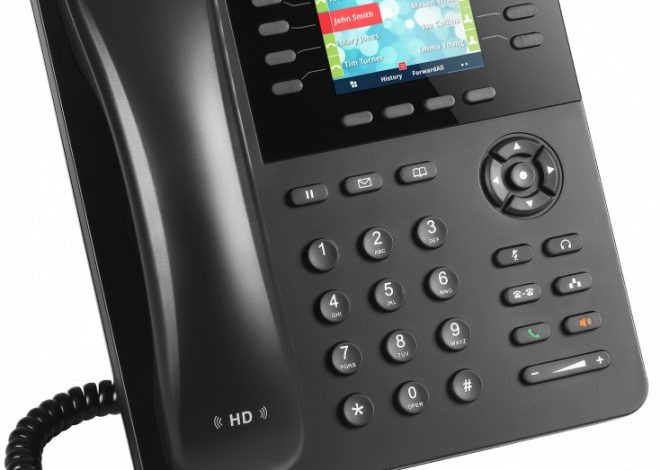
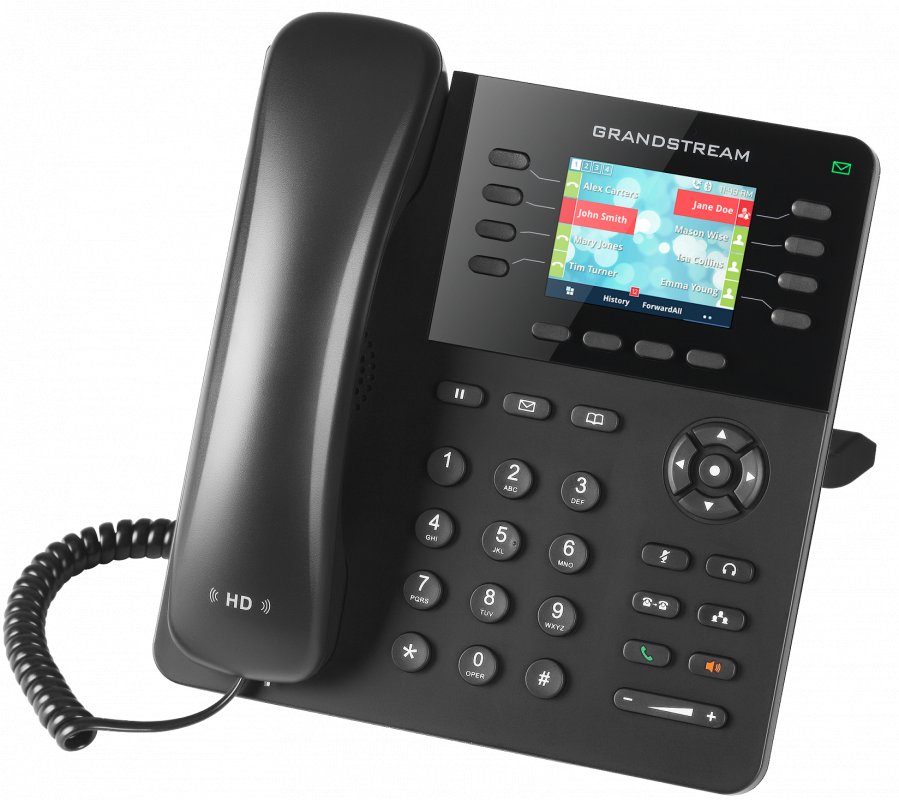
Device evolution reflects the broader shift toward more adaptable solutions. Traditional landline phones have been replaced by IP phones capable of internet-based calls, supporting richer features and better integration with digital workflows. Modern devices, such as Grandstream’s IP phones, are designed for effortless scalability and management, offering features like high-definition audio and multiple lines. These devices can be added or removed quickly, making them ideal for organizations expecting growth or needing rapid adaptation of their communication infrastructure.
Deploying telephony solutions effectively requires strategic planning. Organizations should assess current needs alongside future growth projections, selecting hardware and management platforms—like Grandstream’s GDMS—that support scalability and centralized control. Regular firmware updates and security protocols are vital for maintaining system integrity, while thorough documentation of configurations simplifies troubleshooting and ensures consistency across deployments. Tailoring deployment strategies to organizational size, industry requirements, and technical resources helps ensure the system aligns with operational goals.
Device management and integration are key to maximizing the value of your telephony network. Modern IP phones support features like high-definition audio, multiple lines, and enhanced security, enabling professional-grade communication. Compatibility with cloud management platforms such as GDMS allows for effortless remote configuration, provisioning, and monitoring of devices across multiple locations. This centralized approach reduces operational complexity and ensures uniformity, saving time and minimizing errors during deployment and ongoing maintenance.
By understanding these foundational elements—device types, deployment strategies, and management tools—businesses can lay the groundwork for a customizable and future-proof communication network. This solid base supports seamless integration of new features, scalability to meet growth, and resilience against evolving technological challenges. Building on this knowledge empowers organizations to deploy telephony solutions that are not only reliable today but adaptable for the future, ensuring continuous, efficient, and cost-effective communication.

Embracing Innovation: Trends Transforming Business Communication Today
The telephony landscape is evolving at a rapid pace, driven by innovations that make managing business communications more flexible and efficient than ever. Cloud-managed platforms are leading the charge, allowing organizations to oversee their entire phone network from a single, centralized interface. This shift eliminates the need for extensive on-site hardware, making deployment, updates, and scaling quicker and simpler. Companies can add new users, implement new features, or adjust configurations on the fly, reducing downtime and operational costs.
Device integration is becoming more seamless, with modern IP phones, softphones, and mobile apps working together within a unified ecosystem. This interconnectedness supports remote work, hybrid models, and on-site operations, all while maintaining high call quality and security. The ability to switch effortlessly between devices without losing context or quality enhances overall communication fluidity and responsiveness.
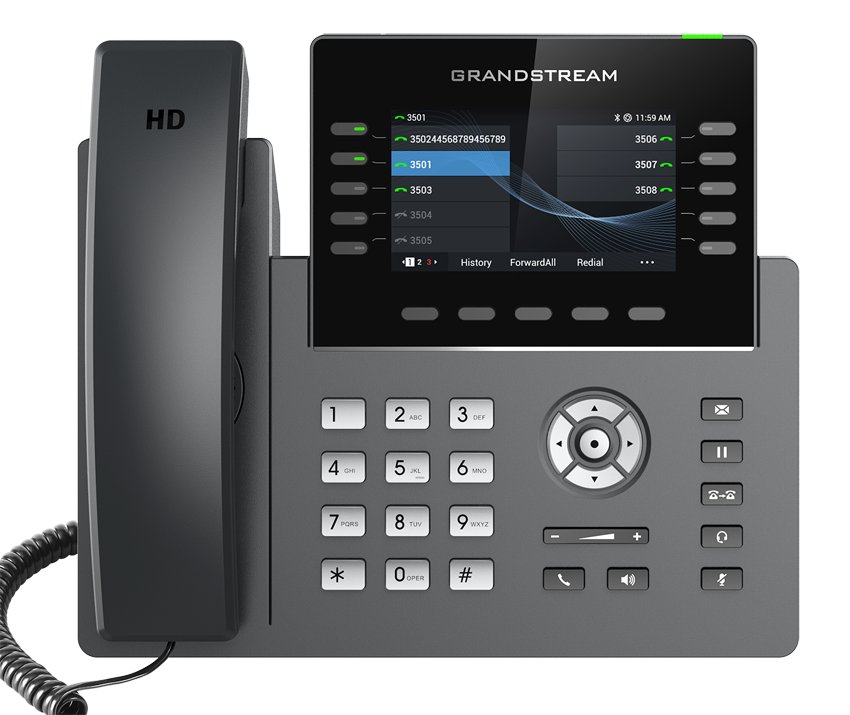
One standout trend is the widespread adoption of mass deployment devices like Grandstream’s GRP series. These phones are designed for quick, scalable rollout across multiple locations, saving time and reducing costs. Thanks to centralized management platforms like GDMS, IT teams can configure, provision, and monitor hundreds or thousands of devices remotely, ensuring uniformity and ease of maintenance. This scalability is vital for large organizations, retail chains, or hospitality providers seeking reliable, consistent communication tools everywhere they operate.
Network optimization tools are becoming more sophisticated, ensuring voice calls remain clear and dependable even during peak periods. Features like Quality of Service (QoS) prioritize voice traffic, while bandwidth management and real-time monitoring prevent disruptions. These tools enable proactive troubleshooting, helping maintain a professional standard of communication and minimizing downtime.
The integration of these innovations results in a smarter, more resilient communication infrastructure. Cloud platforms and device interoperability create a flexible environment where businesses can adapt swiftly to market or operational changes. As these trends continue to develop, organizations that embrace them will deliver better customer experiences, streamline internal workflows, and stay competitive in an increasingly digital world. This ongoing evolution underscores the importance of staying ahead with technology that supports growth, agility, and seamless connectivity.
Grandstream’s Solutions: Powering Efficient and Scalable Communication Networks
Grandstream plays a vital role in shaping modern business communication by offering devices and solutions that combine power with simplicity. Their IP phones, especially the GRP series, are engineered for large-scale deployment, making it easier for organizations to expand their networks without encountering logistical hurdles. These phones integrate seamlessly with cloud management platforms like GDMS, enabling IT teams to configure, provision, and monitor hundreds or even thousands of devices remotely. This centralized approach streamlines deployment, reduces errors, and speeds up the rollout process across multiple locations.
What sets Grandstream apart is the scalability paired with user-friendly management. Devices like the GRP series support high-definition audio, multiple lines, and robust security features—delivering professional-grade communication that can grow with your business. Their compatibility with cloud management tools simplifies ongoing maintenance, firmware updates, and security patches, ensuring your system stays current and protected with minimal manual effort. This reduces downtime and operational complexity, making upgrades and expansions smoother and more cost-effective.
Interoperability is another key advantage. Grandstream’s devices work effortlessly with third-party applications, CRM systems, and security solutions, allowing you to customize your communication environment to meet specific operational needs. Whether supporting remote workers, enhancing customer service workflows, or creating unified communication channels, these devices adapt to your digital ecosystem, boosting overall efficiency.
Network performance also benefits from Grandstream’s innovations. Their devices support advanced features like Quality of Service (QoS), which prioritizes voice traffic to ensure crystal-clear calls even during busy periods. Real-time network monitoring tools enable proactive troubleshooting, helping to identify and resolve issues before they escalate. This focus on performance guarantees a professional standard of communication that remains reliable under pressure.
Deploying Grandstream solutions is straightforward, thanks to their centralized management platform, GDMS. From a single interface, organizations can configure, update, and oversee thousands of devices across multiple sites. This ease of management saves valuable time, reduces operational costs, and ensures consistency—crucial for large enterprises, retail chains, or hospitality groups that require dependable communication tools everywhere they operate.
Designed with future growth in mind, Grandstream’s devices support easy scalability and rapid deployment. Their intuitive setup processes and remote management capabilities mean new units can be added or replaced quickly, without disrupting ongoing operations. This agility helps organizations respond swiftly to market demands or expansion plans, maintaining seamless connectivity.
Security remains a priority for Grandstream, with devices built to meet high standards of data protection and encrypted communication. Regular firmware updates, security patches, and centralized control help safeguard your network against evolving threats, ensuring your communication infrastructure remains resilient and trustworthy.
By focusing on ease of deployment, scalability, and security, Grandstream empowers businesses to upgrade their communication infrastructure confidently. Their solutions turn complex networks into streamlined, reliable systems that support growth, enhance collaboration, and deliver a consistently high-quality experience. Investing in Grandstream’s innovative devices means building a future-proof communication network—resilient, flexible, and ready for whatever comes next.
Shaping the Future of Business Communication: Trends, Technologies, and Strategic Insights
The landscape of business communication is shifting rapidly, and customizable telephony solutions sit at the heart of this transformation. These systems do more than just replace traditional phones; they create adaptable, scalable networks that evolve alongside your organization’s growth and changing needs. By integrating cloud management, device interoperability, and advanced network tools, companies can build communication infrastructures that are not only more efficient and resilient but also future-ready. This strategic approach enhances customer experiences, streamlines workflows, and positions businesses to stay competitive in an increasingly digital world.
Looking ahead, the pace of innovation in telephony will only accelerate. Cloud platforms will become smarter, offering deeper automation, stronger security, and tighter integration with digital tools such as CRM and analytics systems. Devices will continue advancing, supporting richer features and seamless connectivity across multiple devices—whether employees are at their desks or on the move. These developments make it easier for organizations to expand their networks swiftly without disrupting existing operations, ensuring agility in a competitive environment.
Devices like Grandstream’s IP phones exemplify this future-ready approach. Their scalability and straightforward deployment allow businesses to add hundreds or thousands of phones across multiple locations effortlessly, thanks to centralized provisioning and management. This scalability is essential for growing companies, retail chains, and service providers seeking consistent, reliable communication tools everywhere they operate. As deployment becomes more streamlined, organizations can respond faster to market shifts and operational demands, maintaining a competitive edge.
Network optimization tools will also play a crucial role, ensuring high-quality, dependable calls even during peak usage. Features like Quality of Service (QoS), bandwidth management, and real-time monitoring help prevent disruptions and maintain a professional standard of communication. These tools enable proactive troubleshooting, minimizing downtime and ensuring seamless service for both customers and staff. As they become more integrated with cloud solutions, businesses will gain richer insights into their network health, empowering smarter decision-making and rapid issue resolution.
The integration of artificial intelligence and automation will further elevate telephony’s impact. Voice recognition, intelligent routing, and predictive analytics will make communication more personalized, efficient, and responsive. Customer service teams will deliver faster, more tailored support, while internal workflows become increasingly streamlined. These innovations transform communication systems from simple tools into strategic assets that actively drive business growth and operational excellence.
Early adoption of these emerging technologies offers a clear advantage. Organizations leveraging advanced cloud management, scalable devices, and intelligent network tools will operate more flexibly, respond swiftly to change, and deliver superior customer experiences. Falling behind in this digital transformation could mean losing relevance to competitors embracing these innovations. Investing now ensures your communication network remains resilient, adaptable, and aligned with long-term success.
Building on the foundation of customizable telephony today sets the stage for a more connected, efficient, and innovative future. Embracing these trends means not just keeping pace but leading the way in how modern businesses communicate, collaborate, and compete. By making strategic investments now, organizations can prepare for ongoing technological advances, meet evolving customer expectations, and maintain agility in a fast-changing digital environment. The future of business communication is here—ready to support growth, enhance engagement, and keep your enterprise at the forefront.