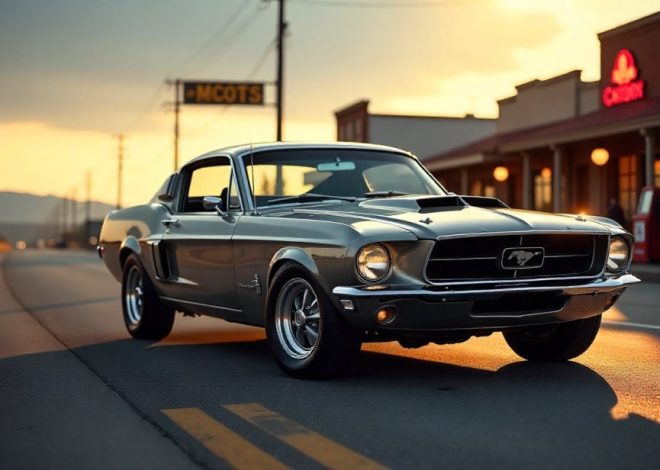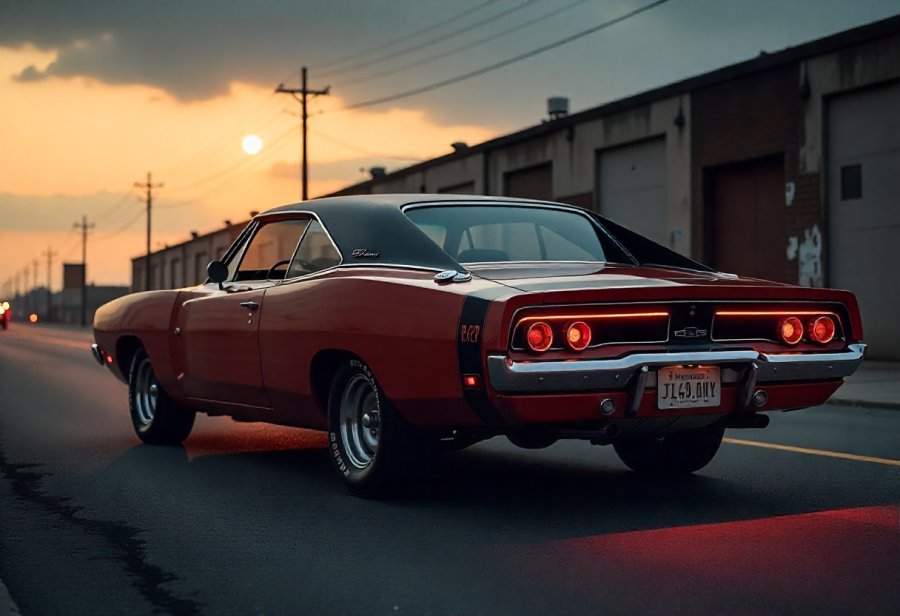
Unleashing the Iconic Power and Rebellion of the Dodge Charger
The Dodge Charger stands as an enduring icon of American muscle and rebellious spirit, embodying raw power and attitude since its inception in the late 1960s. From its thunderous engines and aggressive styling to its pop culture prominence, the Charger has consistently symbolized freedom, strength, and street dominance. Its evolution reflects a perfect balance between nostalgia and innovation—retaining its primal DNA while embracing modern technology and performance upgrades. But what makes this legendary car truly ignite the road’s primal instincts? Is it the timeless roar of its engines, the bold design elements, or the cultural legacy that continues to inspire new generations? As the Charger moves forward into an era of electrification and technological advancements, its core identity remains rooted in rebellion and power. This vehicle isn’t just about speed; it’s about owning the road, making a statement, and fueling an unbreakable American legacy of muscle and rebellion.
Icon of American Muscle: The Dodge Charger’s Rebellious Spirit
The Dodge Charger isn’t just a car; it’s a symbol of American muscle and rebellious spirit that has captured imaginations for decades. With its bold, commanding design and unmistakable presence on the road, the Charger embodies raw power and a sense of freedom that appeals to both enthusiasts and casual drivers alike. From its first appearance, it has signaled strength, speed, and attitude, making it a true icon in the world of muscle cars.
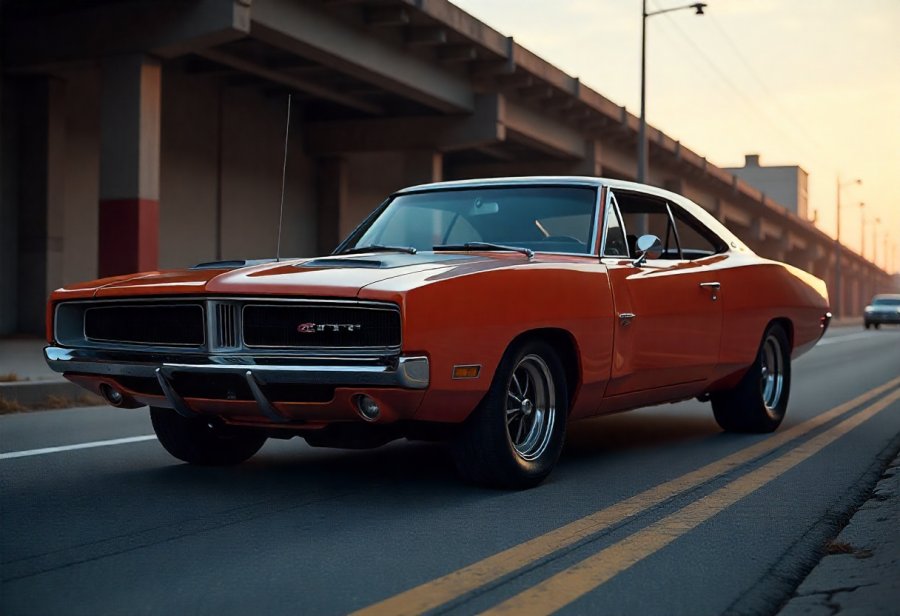
Born in the late 1960s, the Charger emerged during a time when American automakers were fiercely competing to produce the most impressive and stylish vehicles. Its fastback silhouette, wide stance, and aggressive lines set it apart from other cars of the era, instantly signaling that this was a machine built for speed and rebellion. Early models packed big engines and sleek styling, embodying the unfiltered power and daring attitude that defined the muscle car movement.
Over the years, the Charger has evolved through different generations, each refining its look and performance while maintaining that primal edge. The original models, especially the 1969 versions, are celebrated for their thunderous engines and striking fastback design—true symbols of muscle car dominance. As design trends shifted in the 1970s, the Charger adopted sharper angles and more angular features, but always kept its muscular roots intact. Despite periods of decline, the nameplate persisted, fueled by a passionate fan base and a desire to keep the spirit alive.
The modern era marked a significant turning point with the 2006 reboot, which combined nostalgia with cutting-edge technology. The new Charger paid homage to its roots with bold styling and a muscular stance, but also introduced modern engineering—improving aerodynamics, handling, and safety. Today’s models, like the SRT Hellcat, push performance even further, packing supercharged engines and advanced features that deliver adrenaline-fueled driving experiences. Yet, through all its changes, the Charger remains a proud representative of American muscle and street dominance.
Beyond its engineering, the Charger’s cultural impact is undeniable. Its appearances in movies like “Bullitt” and “The Dukes of Hazzard,” along with countless music videos and street racing stories, have cemented its status as a symbol of rebellion and freedom. It’s more than just a vehicle; it’s a statement—an extension of the driver’s desire to stand out and own the road. The Charger’s roar, style, and attitude continue to inspire a new generation of enthusiasts eager to carry forward its legacy.
In essence, the Dodge Charger stands as a testament to America’s love affair with muscle and rebellion. It’s a vehicle that has evolved but never lost its primal appeal—an icon built to dominate streets and capture imaginations. Whether cruising through city streets or tearing up race tracks, the Charger remains a powerful reminder of what it means to own the road with raw, unrelenting strength.
Roots of Power: The Evolution of the Dodge Charger
The story of the Dodge Charger begins in the late 1960s, a pivotal era when American muscle cars started dominating streets and racetracks with their raw power and striking design. Introduced in 1966 as a full-sized two-door coupe, the Charger immediately made an impression with its fastback silhouette and muscular stance. Built for those craving speed and eager to make a statement, early models boasted large engines and sleek, aggressive lines that captured the rebellious spirit of the time.
The first generation of Chargers became famous for performance and visual impact. The 1969 models, in particular, are considered the pinnacle of its muscle car legacy, featuring powerful engines and that iconic fastback shape. These vehicles weren’t just about transportation—they were about making an impression, roaring through streets with unfiltered power and style. Their wide stance and thunderous sound made them favorites among street racers and enthusiasts who wanted to stand out.
As the 1970s rolled in, the Charger’s design evolved to match changing trends. It adopted sharper, more angular features, but always retained its muscular roots. Performance variants like the R/T and Super Bee emerged, emphasizing high horsepower and street presence. These models kept the Charger relevant in a competitive market, reinforcing its reputation as a street racing icon.
The oil crisis and rising insurance costs in the late ’70s slowed muscle car production, dimming the Charger’s presence for a time. Yet, the nameplate persisted in enthusiasts’ minds, kept alive through concept cars and experimental models. The early 2000s marked a turning point with Dodge’s revival of the Charger, blending nostalgic styling cues with modern engineering to appeal to both old fans and new drivers.
The 2006 reboot was a game-changer, giving the Charger a fresh look that paid homage to its roots while adding contemporary performance and technology. Its muscular lines and bold stance reestablished it as a serious contender in the muscle car world. Today’s models, like the SRT Hellcat, continue this legacy, pushing limits with supercharged engines and advanced features, yet always staying true to their primal origins.
Throughout its evolution, the Dodge Charger has remained a symbol of American muscle—constantly adapting without sacrificing its fierce, rebellious identity. From its gritty beginnings to modern-day dominance, it embodies the relentless pursuit of speed, power, and attitude that has made it an enduring legend on the road.
Rebellion on Wheels: The Dodge Charger’s Cultural Impact
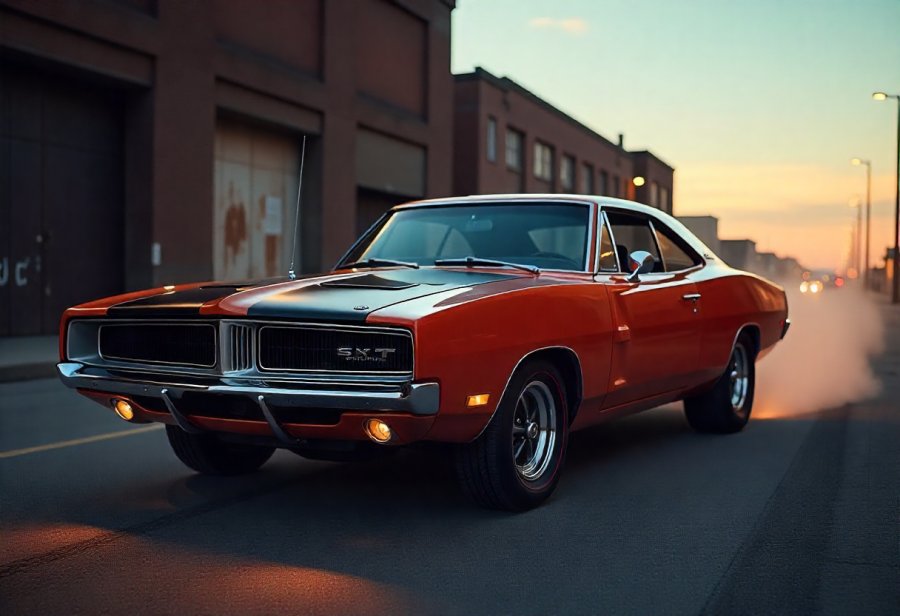
The Dodge Charger has long stood as a potent symbol of rebellion and raw American muscle. Its bold, aggressive design combined with its thunderous engine sounds made it a favorite among those who valued freedom, individuality, and standing out from the crowd. Over decades, the Charger’s presence in movies, TV shows, and music videos elevated it from a simple vehicle to an icon of attitude and power. These portrayals helped cement its reputation as a machine of defiance, embodying the rugged, unbreakable spirit of American muscle cars.
In street racing culture, the Charger’s reputation is legendary. Its muscular build and wide stance radiate dominance, while its roaring engine signals primal strength. It became a badge of honor for racers pushing limits on city streets and open highways alike. The car’s aggressive aesthetics and reputation for speed turn it into more than just transportation—it’s a statement of confidence and rebellion. Driving a Charger feels like channeling a fierce, unrelenting energy, owning the road with swagger and purpose.
Beyond racing scenes, the Charger’s influence permeates pop culture, especially in music videos and films that celebrate power and independence. Its unmistakable silhouette and thunderous engine sounds have become a visual and sonic shorthand for strength and defiance. This iconic imagery has helped sustain the Charger’s legendary status, inspiring admiration and desire across generations. The car’s presence on screen and in music continues to reinforce its role as a symbol of unyielding toughness and rebellion.
For many enthusiasts, the Charger is more than just a car—it’s a piece of American muscle history. Vintage models, especially those from 1969, are highly prized collectibles that reflect its status as a cultural icon. Car clubs and racing communities celebrate the Charger not only for its engineering and performance but also for its role in shaping muscle car culture’s rebellious ethos. Restored and customized, these vehicles become symbols of pride and defiance, fueling the passion of fans worldwide.
Whether seen through nostalgic lenses or modern performance, the Dodge Charger remains a powerful emblem of American strength and independence. Its image, rooted in rebellion and primal power, continues to resonate with new generations eager to embrace the same fearless attitude. From the streets to the silver screen, the Charger’s legacy as a symbol of raw power and freedom endures, inspiring countless drivers to own their rebellious spirit every time they take the wheel.
Built for Dominance: Design Elements and Performance Secrets
The Dodge Charger’s design and performance elements are what truly elevate it to street racing legend status. Its muscular lines and wide stance create an aggressive presence that commands attention from the moment it hits the road. Every contour is carefully sculpted not just for aesthetics but to enhance aerodynamics and stability at high speeds. These design choices help the Charger stay firmly planted during rapid accelerations and tight turns, giving drivers the confidence to push limits without losing control.
Beneath its bold exterior, the Charger is equipped with powerhouse engines like the legendary HEMI V8 and supercharged variants. These engines roar to life with thunderous authority, delivering raw power that satisfies primal instincts. The rush of acceleration feels almost visceral—every press of the gas pedal unleashes a surge of force that reminds you of its racing heritage and street dominance. Enthusiasts often tune these engines further, amplifying the growl and responsiveness that make every drive thrilling.
Handling is just as crucial as outright power, and Dodge has equipped the Charger with high-performance suspension systems tuned for precision. Wide tires grip the road fiercely, allowing sharp cornering and confident maneuvering even at high speeds. Modern braking systems, like Brembo brakes on top-tier models, provide stopping power that’s as commanding as its acceleration. Inside, sport seats and performance gauges keep the driver connected to the car’s formidable capabilities, transforming every ride into an immersive experience.
Classic Chargers from the late ’60s and early ’70s showcase an iconic aesthetic—sleek fastback profiles, bold lines, and a stance that screams muscle car. These vintage models were built to dominate streets and racetracks alike, with thunderous engines and unmissable style. Today’s versions blend that rebellious look with advanced materials and modern tech, maintaining the primal appeal while offering cutting-edge performance and safety features.
Many owners enhance their Chargers with performance upgrades—exhaust systems, suspension tweaks, and engine tuning—to unleash even more primal power. Attending local muscle car shows or taking part in track days offers a firsthand look at how these elements combine to create a vehicle that’s more than just a car—it’s a street racing beast. Every detail, from the body’s muscular contours to the engine’s thunder, works in harmony to deliver a visceral driving experience rooted in raw American muscle.
This relentless pursuit of performance isn’t just about speed; it’s about feeling alive behind the wheel. The Charger’s design and engineering work together to create a vehicle that’s aggressive, responsive, and utterly commanding. It invites drivers to embrace their rebellious spirit and own the street with swagger and purpose, always ready to unleash primal power at a moment’s notice.
Owning or modifying a Charger is a way to connect more deeply with its racing DNA. Whether customizing exhaust notes or tuning suspension settings, enthusiasts seek to amplify its primal roar and handling prowess. This ongoing drive for performance keeps the Charger relevant and revered, constantly pushing the boundaries of what a muscle car can be. Its design isn’t just about looks; it’s a statement that power and attitude go hand in hand.
In the end, every element of the Dodge Charger—from its muscular silhouette to its thunderous engines—serves as a testament to its role as a street racing icon. It’s a vehicle built to dominate, to make a statement, and to ignite the primal instincts of anyone behind the wheel. Its design and performance are inseparable from its identity, making the Charger more than just a car—it’s a symbol of American muscle and street dominance.
Legacy and Horizons: The Future of the Dodge Charger
The Dodge Charger’s legacy as a symbol of raw American muscle and rebellious spirit remains as powerful as ever. From its origins in the late 1960s muscle car era to today’s high-performance models, the Charger has consistently embodied the pursuit of speed, attitude, and individuality. Its bold design and thunderous engines continue to inspire enthusiasts and casual fans alike, cementing its place as an enduring icon in automotive history.
Throughout its evolution, the Charger has managed to balance tradition with innovation. Early models captured the essence of unfiltered power—big engines, aggressive styling, and a stance that dared anything to challenge it. Modern versions like the SRT Hellcat push these ideals further with supercharged engines and cutting-edge technology, yet they still carry that primal DNA that made the Charger legendary. This blend of heritage and progress keeps the model relevant and exciting for new generations.
The cultural impact of the Charger extends beyond the showroom. Its iconic appearances in movies, TV shows, and music videos have helped shape its image as a machine of rebellion and freedom. These portrayals have turned the Charger into more than just a vehicle—they’ve made it a symbol of independence, strength, and the unyielding American spirit. For many, owning a Charger is about more than performance; it’s about embodying a defiant attitude that resonates across decades.
Looking ahead, the Charger’s future may involve electrification and new technologies, but its core identity is unlikely to change. The roar of its engine, the bold stance, and the rebellious attitude are deeply ingrained in its DNA. As automakers explore sustainable options, the challenge will be to preserve that primal feeling of raw power while embracing innovation. The Charger’s essence—embodying street dominance and unrelenting performance—will continue to inspire.
Enthusiasts and fans play a vital role in keeping the Charger’s spirit alive. Restoring, customizing, and racing these cars sustain the rebellious ethos that defines the model. Online communities, car shows, and racing events serve as platforms for celebrating its history and pushing its limits. Each new generation that takes the wheel helps carry forward the unbreakable legacy of this iconic muscle car.
The Charger’s story is one of resilience and continuous reinvention. It has adapted without losing sight of what makes it special—its raw power, distinctive design, and rebellious attitude. This ongoing journey ensures that the Charger remains more than just a car; it’s a cultural phenomenon that symbolizes freedom, strength, and individuality.
In the end, the Dodge Charger stands as a testament to America’s love affair with muscle and rebellion. Its roar, style, and attitude continue to captivate and inspire, proving that true legends never fade—they simply evolve. As new technologies emerge, the Charger’s unyielding spirit will carry on, fueling the passion of drivers who want to own the road with primal power and unbreakable confidence.