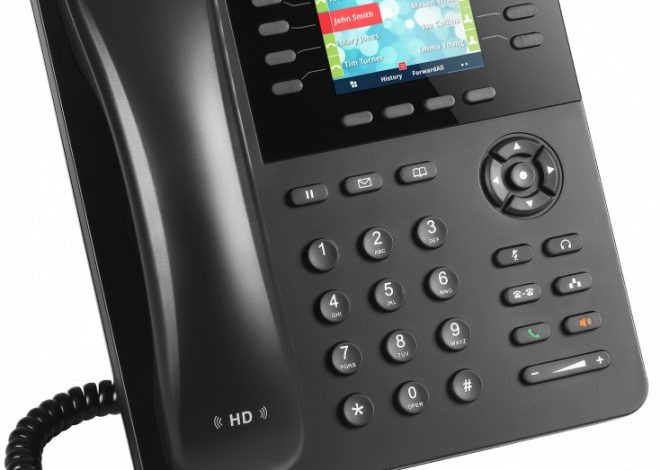
Revolutionize Business Communication with Customizable Telephony Solutions
Imagine transforming your business communication with customizable, scalable telephony solutions that adapt seamlessly to your unique needs. Grandstream’s innovative devices, especially the robust GRP Series IP phones, promise faster deployment, centralized management, and crystal-clear HD audio, all designed to simplify complex networks. But how do these technologies really revolutionize efficiency and security? By leveraging VoIP, open standards, and cloud-based control, organizations can reduce costs, boost productivity, and respond swiftly to market changes—all while maintaining robust security measures. Does choosing the right telephony system mean sacrificing flexibility? Not with Grandstream, whose devices support remote management, zero-touch provisioning, and effortless integration with existing infrastructure. As digital transformation accelerates, these solutions don’t just keep pace—they set the stage for smarter, more resilient, and scalable communication networks. Are you ready to unlock the hidden potential behind seamless communication?
Enhance Your Business Communications with FiberConX’s VoIP Solutions in Canada
Discover advanced VoIP and IP business phone services with FiberConX Communications, serving businesses across Canada. Our solutions include features like voicemail, IVR, Ring Groups, and voicemail-to-mail, ensuring seamless communication management. For reliable hardware options, consider the Grandstream GXP2170 for crystal-clear calls and robust performance. FiberConX specializes in tailored telecommunications solutions to meet your business needs, enhancing productivity and customer experience. Contact us today at [email protected] or call 1.800.961.6856 to learn more about our services and hardware offerings.
Harnessing the Power of Customizable Telephony for Modern Business Success
In today’s fast-moving business landscape, clear and reliable communication is no longer just a convenience—it’s a core necessity. Companies need to stay connected with clients, partners, and teams across multiple locations and time zones, often under tight deadlines. This demand has made customizable telephony solutions essential, offering the flexibility to shape communication systems to fit unique organizational needs rather than forcing everyone into a rigid, one-size-fits-all framework. By tailoring these systems, businesses can streamline workflows, improve efficiency, and maintain a competitive edge in their industry.
When a business invests in a customizable telephony setup, it gains control over how communication flows within the organization. Features like call routing, voicemail options, and integrations with other digital tools can be fine-tuned to support specific workflows. For example, sales teams might prioritize quick access to customer information, while customer support may rely on optimized call queues and detailed reporting. This level of personalization creates a smoother experience for staff and customers alike, leading to better service and higher productivity.
The advantages extend beyond user experience. Tailored telephony solutions can significantly cut operational costs by automating routine tasks and simplifying processes. Centralized management platforms allow IT teams to configure, monitor, and troubleshoot devices remotely, reducing downtime and minimizing manual interventions. This efficiency not only saves time but also frees up resources that can be redirected toward strategic initiatives. As businesses grow and evolve, these adaptable systems can scale seamlessly, avoiding the costly hardware upgrades typical of traditional phone systems.
Technological advancements have made these solutions more accessible and easier to deploy. Cloud-based platforms enable quick setup and flexible management, whether a company has a handful of offices or a global footprint. Cloud solutions support rapid feature updates and capacity expansion without the need for hardware replacements, making growth less disruptive. While on-premises systems still offer complete control over data, the trend favors cloud and hybrid models for their scalability and lower maintenance demands. Providers like Grandstream offer devices compatible across all deployment options, giving organizations the freedom to choose what best fits their infrastructure.
Aligning communication tools with business objectives is crucial when selecting a telephony system. Customization enables organizations to optimize workflows, foster collaboration, and build stronger relationships with customers and partners. Integrating telephony with Customer Relationship Management (CRM) systems, for instance, allows staff to access customer histories instantly during calls, personalizing interactions and boosting efficiency. These tailored features help staff work smarter, reducing repetitive tasks and allowing them to focus on what truly matters: growing the business and nurturing key relationships.
As digital transformation accelerates, the need for flexible, scalable communication systems becomes even more apparent. Businesses that leverage customizable telephony solutions are better positioned to improve daily operations and adapt to future growth. They can effortlessly add new features, expand to new locations, or adjust to market changes—all without overhauling their entire communication infrastructure. This agility offers a strategic advantage, enabling organizations to meet evolving customer expectations and seize new opportunities swiftly.
In essence, customizable telephony solutions are more than just technological upgrades; they are strategic tools that empower businesses to communicate more effectively. By creating personalized, efficient, and scalable networks, companies can enhance collaboration, improve customer service, and prepare for long-term success. Whether through cloud management, seamless device integration, or flexible deployment options, these solutions lay the groundwork for smarter, more responsive business communication in today’s digital age.

Unveiling the Core Technologies Driving Advanced Telephony Systems
Telephony technology has undergone a remarkable transformation over the past few decades, shifting from traditional landlines to sophisticated digital and internet-based systems. This evolution has opened new possibilities for businesses seeking more flexible, scalable, and feature-rich communication options. At the heart of this shift is Voice over Internet Protocol, or VoIP, which converts voice signals into digital data packets that travel across IP networks. Unlike older analog systems, VoIP allows voice calls to be made using the internet, drastically reducing costs and expanding capabilities.
Understanding how VoIP works sheds light on why modern telephony solutions are so powerful. Instead of relying on dedicated circuits, VoIP transmits voice as data, enabling calls from a variety of devices—desk phones, softphones on computers, or mobile apps. This flexibility means employees can work remotely or from different locations without sacrificing call quality or reliability. Digital data packets are easier to route and manage, making features like call forwarding, video conferencing, auto-attendants, and integrations with business applications more accessible and manageable than ever before.
Scalability is a core advantage of current telephony systems. Traditional landlines require physical hardware and infrastructure upgrades to expand, often involving lengthy and costly installation processes. IP-based and cloud-hosted systems, however, allow organizations to add users or locations with a few simple software adjustments or device configurations. This kind of scalability supports business growth without the logistical hurdles of hardware replacement, enabling companies to adapt quickly to changing needs and market conditions.
Interoperability also plays a crucial role in the flexibility of modern telephony solutions. Many organizations use hardware and software from multiple vendors, each with its own protocols and standards. Modern systems leverage open standards like SIP (Session Initiation Protocol), ensuring seamless communication between diverse devices and platforms. This compatibility simplifies management, reduces vendor lock-in, and protects existing investments, allowing organizations to upgrade or expand their systems without compatibility issues holding them back.
The move toward digital and internet-based telephony has revolutionized how businesses manage their communication networks. Centralized control platforms, whether cloud-based or on-premises, enable IT teams to configure, monitor, and troubleshoot devices remotely. Firmware updates, security patches, and feature rollouts can be deployed instantly across entire networks, minimizing downtime and manual effort. This centralized management simplifies maintenance and enhances security, especially for organizations with multiple locations or remote teams.
Security remains a vital concern as telephony systems become more connected. Digital systems incorporate advanced encryption protocols and security measures to protect sensitive conversations and data. Regular updates and remote management tools help identify and address vulnerabilities swiftly, preventing potential breaches. As organizations increasingly rely on these platforms for daily operations, maintaining robust security practices is essential to safeguard customer information and ensure compliance.
All these elements—VoIP technology, scalability, interoperability, centralized management, and security—form the foundation of modern telephony. They enable businesses to deploy communication systems that are reliable, cost-effective, and adaptable. Understanding these core principles helps organizations make informed decisions when selecting and customizing their telephony infrastructure. As technology continues to advance, these foundational concepts will remain integral to building efficient, scalable, and secure communication networks that support long-term growth and operational excellence.
Revolutionize Communication with Grandstream’s Innovative Devices
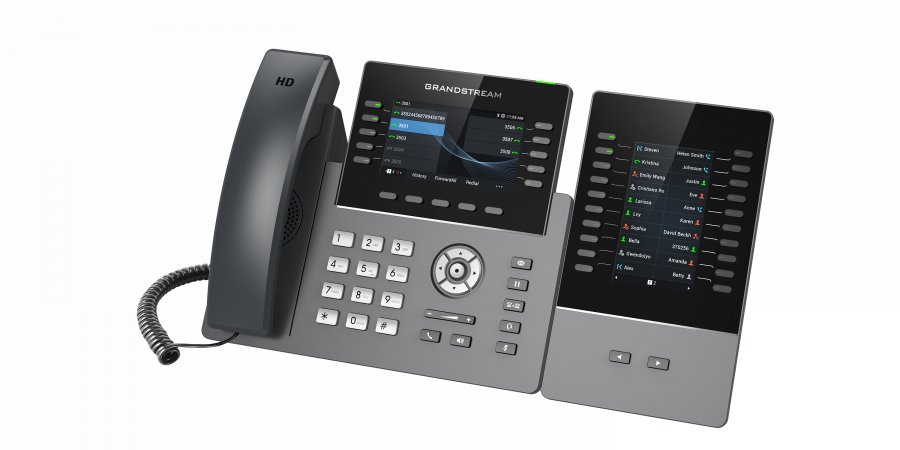
Grandstream’s devices are transforming how businesses approach communication and network management, offering a level of efficiency and scalability that was hard to imagine just a few years ago. Their IP phones, particularly the GRP Series, are built for large-scale deployment, making the rollout of new systems faster and more straightforward. These phones support rapid provisioning through cloud-based management platforms like Grandstream’s Device Management System (GDMS), enabling administrators to configure, monitor, and update hundreds or even thousands of devices from a single, intuitive interface. This centralized control streamlines deployment and minimizes errors, saving time and reducing costs.
One of the standout features of Grandstream’s solutions is zero-touch provisioning. When connected to the network, these phones automatically download their configuration profiles, eliminating the need for manual setup at each device. This feature is especially valuable for organizations with multiple locations or remote teams, where quick, consistent deployment is essential. With remote management, updates, security patches, and new features can be pushed instantly across all devices, ensuring the entire fleet remains secure and operational without interrupting daily workflows.
The hardware quality of Grandstream’s IP phones complements their ease of deployment. They deliver crystal-clear HD voice quality, support multiple lines, and come equipped with security features that safeguard sensitive conversations. Their ergonomic design and user-friendly interfaces make daily use straightforward, reducing frustration and boosting productivity. Whether for a small team or a large enterprise, these devices are built to handle demanding communication needs while maintaining simplicity and reliability.
Beyond hardware, Grandstream’s solutions excel at network management. Centralized dashboards offer IT teams real-time visibility into device status, network health, and call quality. Remote diagnostics and automated alerts help identify potential issues before they escalate, allowing for proactive troubleshooting that minimizes downtime. This approach keeps communication lines open and reliable, which is crucial for maintaining customer trust and operational efficiency. Compatibility with standard protocols like SIP ensures these devices integrate seamlessly with existing infrastructure, protecting investments and allowing for future upgrades without compatibility concerns.
Deploying these devices supports a shift toward smarter, more adaptable networks. Cloud-based management means new features or capacity expansions can be implemented quickly, without the need for extensive hardware changes. As companies grow or market demands evolve, adding new users or locations becomes simple—just a few software adjustments or device configurations are needed. This flexibility enables organizations to stay agile, respond faster to changing conditions, and maintain a competitive edge.
The security features embedded in Grandstream’s devices are equally impressive. They incorporate advanced encryption and security protocols to protect conversations and data. Regular firmware updates and remote management capabilities help address vulnerabilities swiftly, reducing the risk of breaches. As digital communication becomes more embedded in daily operations, maintaining a robust security posture is vital, and Grandstream’s solutions make this easier without sacrificing ease of use or deployment speed.
The integration with cloud management platforms further enhances the user experience. Admins can remotely configure, monitor, and troubleshoot devices, avoiding the need for on-site visits and manual interventions. Automated provisioning and updates mean that even large, dispersed teams can operate with consistency and security. This level of control simplifies ongoing maintenance and reduces operational overhead, freeing resources for strategic initiatives and growth initiatives.
In essence, Grandstream’s innovative devices are more than just communication tools—they are a foundation for building efficient, scalable, and manageable networks. They empower businesses to deploy systems rapidly, manage them centrally, and adapt effortlessly to future needs. This seamless combination of high-quality hardware, cloud-based control, and future-ready features creates a powerful platform for smarter business communication. With Grandstream, companies can streamline their operations, foster better collaboration, and stay ahead in today’s fast-evolving digital landscape.